Your makeup bag might be gorgeous on the outside, but what’s hiding inside could be hurting the planet more than you think. The average person tosses 12 empty makeup containers every year, and most of that packaging ends up in landfills where it sits for centuries. But going zero waste doesn’t mean giving up your favorite red lip or that perfect foundation finish. It means making smarter choices that look just as good while doing better for the earth.
Building a zero waste makeup routine requires strategic product selection, reusable tools, and mindful application techniques. Focus on multi-use products in sustainable packaging, invest in quality brushes and refillable containers, and learn proper makeup removal methods that minimize waste. This approach reduces environmental impact by up to 80% while maintaining professional-quality results through concentrated formulas and precise application.
Understanding what zero waste makeup actually means
Zero waste makeup isn’t about perfection. It’s about reducing waste as much as possible while maintaining the quality you deserve.
The goal is to minimize single-use items, choose products with recyclable or compostable packaging, and extend the life of everything in your collection.
Most conventional makeup comes wrapped in multiple layers of plastic, housed in non-recyclable compacts, and shipped in excessive packaging. A single eyeshadow palette can contain five different types of plastic that recycling centers can’t process.
Zero waste alternatives focus on:
- Refillable containers that you keep forever
- Minimal packaging made from glass, metal, or compostable materials
- Concentrated formulas that last longer
- Multi-use products that replace several items
- Reusable application tools instead of disposables
The beauty industry produces 120 billion units of packaging annually. Most of it isn’t recyclable due to mixed materials, small sizes, or contamination from product residue.
When you switch to 8 luxury sustainable makeup brands that prove eco-friendly can be glamorous, you’re not just making a personal choice. You’re sending a message to manufacturers that sustainable options matter.
Starting with your current makeup collection
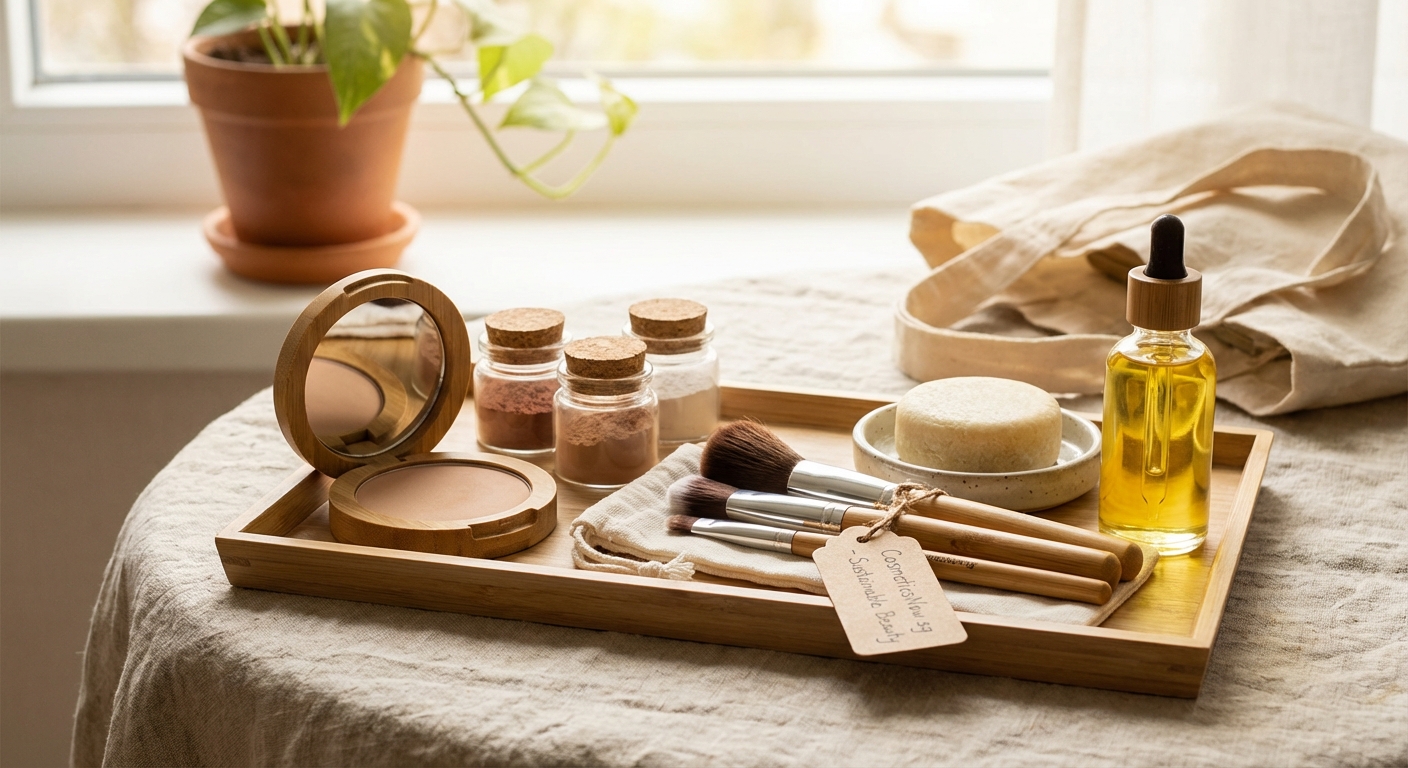
Before buying anything new, assess what you already own.
Finish products completely before replacing them. That half-used mascara sitting in your drawer? Use it up. The lipstick you wore twice? Give it another chance or pass it to a friend who’ll love it.
Create three categories:
- Products you use regularly and will repurchase sustainably
- Items you’ll finish but won’t replace
- Unused products to donate or give away
Check expiration dates honestly. Mascara lasts three months after opening. Liquid foundation gives you 12 months. Powder products can last two years if stored properly.
For products in non-recyclable packaging, research local recycling programs. Some beauty retailers offer take-back programs that properly process makeup containers.
Clean out your brushes and sponges thoroughly. Many people replace tools simply because they haven’t cleaned them properly. A good wash can make them feel brand new.
This inventory phase prevents wasteful purchases and helps you understand your actual needs versus wants.
Choosing refillable and sustainable makeup products
Refillable makeup represents the biggest shift you can make toward zero waste.
Brands now offer magnetic palettes where you buy the case once and replace only the pan inserts. Foundation comes in glass bottles with metal pumps. Lipstick tubes can be refilled with new color cartridges.
Look for these features when shopping:
- Glass or metal primary packaging
- Refill options available from the brand
- Minimal outer packaging (or none at all)
- Concentrated formulas requiring less product per application
- Multi-use capabilities
Cream blushes in small glass jars work beautifully on lips and eyes. Tinted lip balms in metal tins double as cream eyeshadow. Pressed powder foundation can also serve as setting powder or eyeshadow base.
The complete guide to refillable lipsticks and where to find them shows exactly which brands offer genuine refill systems versus greenwashing marketing.
Solid formulas eliminate water content and plastic packaging. Bar foundations, powder blushes, and solid perfumes travel better and last longer than liquid versions.
When comparing products, calculate cost per use rather than upfront price. A $45 refillable lipstick case with $15 refills becomes more economical than $20 disposable tubes after three purchases.
Building your essential zero waste makeup kit
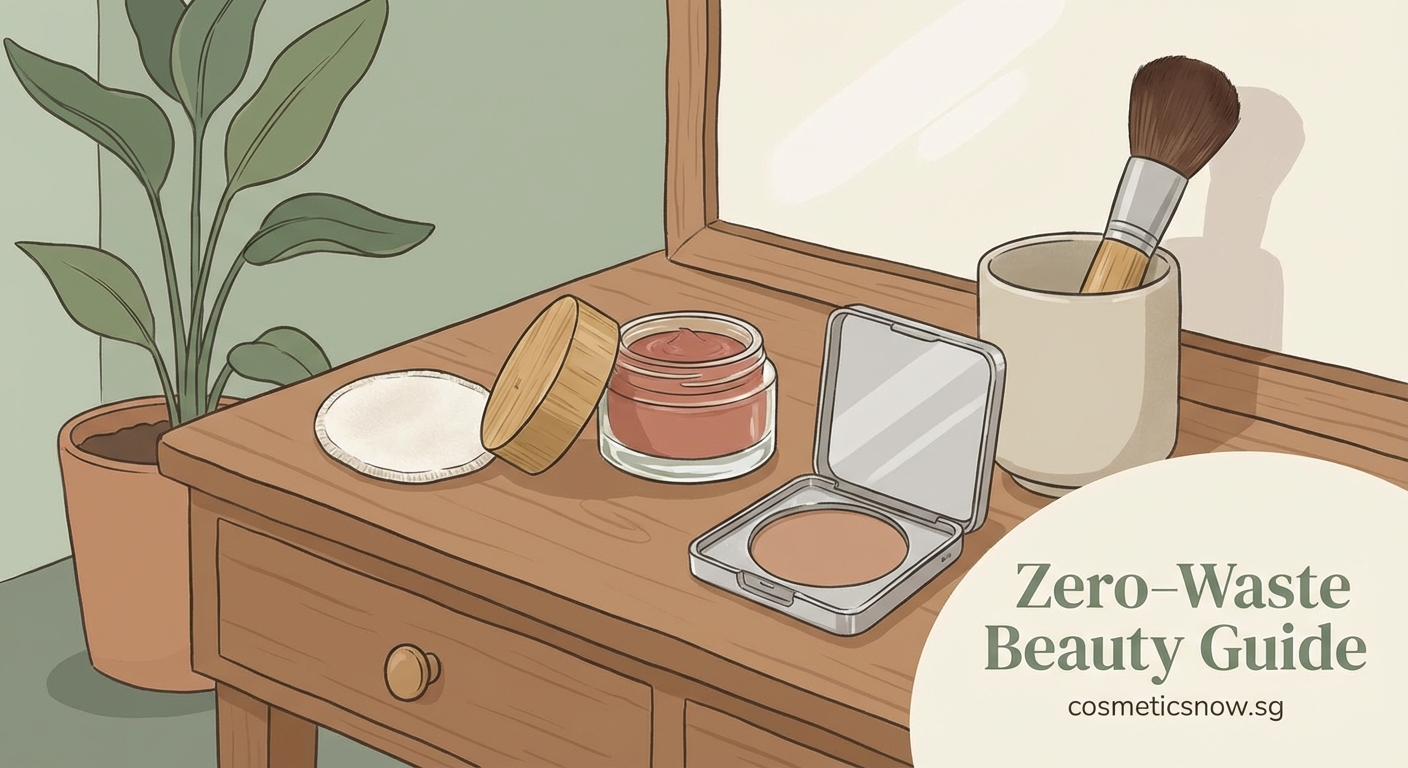
You need fewer products than you think.
A complete zero waste makeup routine includes:
- Multi-use cream product for cheeks, lips, and eyes
- Pressed powder foundation or tinted moisturizer in sustainable packaging
- One or two eyeshadow shades in refillable pans
- Mascara in recyclable tubes or cake mascara with a reusable wand
- Brow product that doubles as eyeliner
- Lip and cheek tint in a glass pot
This minimalist approach forces you to master technique rather than rely on product quantity. When you learn how to apply foundation like a professional makeup artist, you need less product for better coverage.
Quality matters more in a zero waste routine. One excellent cream blush that performs flawlessly beats five mediocre options that sit unused.
Store products properly to extend their life. Keep cream products away from heat. Close powder compacts firmly to prevent drying. Store brushes upright so bristles maintain their shape.
“The most sustainable makeup is the makeup you actually use. Building a small collection of versatile, high-quality products you reach for daily creates less waste than a drawer full of single-use items you forget about.” – Zero Waste Beauty Consultant
Investing in reusable application tools
Disposable makeup tools create mountains of unnecessary waste.
Cotton rounds, makeup wipes, disposable sponges, and single-use applicators all end up in landfills. The alternatives work better and save money over time.
Replace these common disposables:
| Disposable Item | Zero Waste Alternative | Lifespan |
|---|---|---|
| Cotton rounds | Reusable cotton pads | 3-5 years |
| Makeup wipes | Reusable cloths + cleanser | 2-3 years |
| Disposable sponges | Silicone sponge or quality beauty blender | 1-3 years |
| Plastic applicators | Quality brushes | 5-10 years |
| Sheet masks | Reusable silicone mask + serum | 5+ years |
Quality brushes make application easier and more precise. Natural bristles work beautifully for powder products. Synthetic brushes handle cream and liquid formulas better.
Clean brushes weekly with gentle soap and warm water. Proper care extends their life dramatically. A $30 brush that lasts eight years costs less per use than $5 brushes replaced annually.
Silicone sponges seem strange at first but waste zero product. Traditional sponges absorb half your foundation. Silicone sits on the surface, letting you use every drop.
For the right way to remove makeup without damaging your skin, reusable cloths work better than disposable wipes. They’re gentler, more effective, and create no waste.
Mastering techniques that minimize product waste
Application technique directly impacts how much product you waste.
Most people use three times more foundation than necessary. They pile on powder. They toss half-used mascara because the formula seems dry when it just needs proper storage.
Use these waste-reducing techniques:
For liquid foundation: Dot small amounts on your face before blending. Add more only where needed. Starting with too much wastes product and looks cakey.
For powder products: Tap excess off your brush before applying. The powder that falls into the sink is product you paid for but won’t use.
For cream products: Warm the product on the back of your hand first. This helps it spread further with less tugging, so you need less overall.
For mascara: Don’t pump the wand in and out. This pushes air into the tube, drying it faster. Swirl gently instead.
Store products upside down when they’re running low. This keeps the remaining product accessible rather than stuck at the bottom where you can’t reach it.
Depot products from bulky packaging into smaller, reusable containers. This works especially well for samples and travel sizes. You can see exactly how much remains and use every bit.
Learning proper contouring techniques that actually work for your 40s helps you apply products precisely where they’re needed, eliminating waste from over-application.
Creating your own makeup products
DIY makeup isn’t for everyone, but certain products are surprisingly easy to make.
Lip tints combine beeswax, coconut oil, and natural colorants. The ingredients cost less than $20 and make enough tinted balm for a year.
Pressed powder can be made from arrowroot powder, cocoa powder for tint, and a few drops of oil for binding. You control the shade and ingredients completely.
Benefits of DIY makeup:
- Zero packaging waste
- Complete ingredient control
- Significant cost savings
- Custom colors for your exact skin tone
- No preservatives or fillers
The learning curve exists, but it’s not steep. Start with simple products like lip balm or body shimmer before attempting foundation.
5 natural face mask recipes using ingredients already in your kitchen demonstrates how effective simple ingredients can be for skincare, and the same principle applies to makeup.
Store homemade products in small glass jars. Label them with creation dates. Most DIY makeup lasts 3-6 months when stored properly.
The time investment matters. If making your own makeup feels stressful rather than enjoyable, buying sustainable products makes more sense for your lifestyle.
Shopping strategies for zero waste makeup
Where and how you shop impacts your waste footprint significantly.
Buy from brands with genuine sustainability commitments, not just green marketing. Look for:
- Take-back programs for empty containers
- Refill stations in stores or by mail
- Minimal shipping packaging
- Carbon-neutral shipping options
- Transparent ingredient sourcing
Avoid “free gift with purchase” promotions. These sample-size products usually come in non-recyclable packaging and encourage overconsumption.
Buy full-size products instead of travel sizes. The packaging-to-product ratio is much better, and you’re not paying premium prices for tiny amounts.
Consider package-free beauty stores where you bring your own containers and fill them with products by weight. These stores are becoming more common in urban areas.
When shopping online, choose brands that use compostable mailers, recycled paper padding, and minimal plastic. Some companies let you opt out of promotional materials and samples at checkout.
How to decode greenwashing in beauty product marketing helps you distinguish genuine sustainable brands from those simply capitalizing on eco-trends.
Join beauty swap groups in your community. Trading unused products prevents waste and lets you try new items without buying full sizes.
Proper disposal and recycling of makeup packaging
Even with zero waste goals, some packaging is inevitable.
Not all recycling bins accept makeup containers. The small size and mixed materials cause problems at sorting facilities.
Research these disposal options:
Specialty recycling programs: TerraCycle and similar services accept beauty packaging through mail-in programs. Some are free, others charge a small fee.
Retailer take-back programs: Certain beauty stores collect empty containers regardless of brand and ensure proper recycling or repurposing.
Local recycling rules: Check your municipality’s specific guidelines. Some accept small plastics, others don’t. Glass and metal are usually recyclable curbside.
Upcycling: Clean containers become storage for other items. Small jars hold bobby pins, safety pins, or earrings. Larger compacts can store paper clips or small office supplies.
Before recycling, remove as much product residue as possible. Contaminated containers often get rejected at recycling facilities.
The ultimate guide to recycling your empty beauty products the right way provides detailed instructions for preparing different types of packaging for recycling.
Some packaging is truly not recyclable through any current system. In these cases, using the product completely and buying it less frequently is the best approach.
Common mistakes when starting zero waste makeup
Enthusiasm for zero waste sometimes leads to counterproductive choices.
Mistake 1: Tossing usable products to start fresh
This creates immediate waste. Finish what you have first, even if the packaging isn’t ideal.
Mistake 2: Buying too many “sustainable” products at once
This defeats the purpose. Add zero waste items gradually as you run out of conventional ones.
Mistake 3: Choosing eco-friendly packaging over product quality
A sustainable product you hate and don’t use creates more waste than a conventional product you use completely.
Mistake 4: Ignoring the full lifecycle
Shipping heavy glass containers internationally might have a larger carbon footprint than lighter local options. Consider the complete environmental impact.
Mistake 5: Perfectionism
Zero waste is a goal, not a requirement. An 80% reduction in makeup waste is incredible. Don’t abandon the effort because you can’t achieve 100%.
Mistake 6: Neglecting tool care
Reusable tools only reduce waste if you maintain them properly. Replacing brushes annually because you don’t clean them wastes resources.
| Common Mistake | Better Approach |
|---|---|
| Buying all new sustainable products immediately | Replace items one at a time as you finish them |
| Choosing trendy zero waste items you won’t use | Select versatile products that fit your actual routine |
| Feeling guilty about imperfection | Celebrate progress and keep improving gradually |
| Ignoring product performance | Prioritize quality and effectiveness alongside sustainability |
Maintaining your zero waste routine long term
Sustainability requires consistency, not perfection.
Schedule regular reviews of your makeup collection every three months. Check expiration dates, assess what you’re actually using, and adjust accordingly.
Join online communities focused on sustainable beauty. These groups share product recommendations, troubleshooting advice, and motivation when you’re tempted by conventional options.
Track your progress visually. Take photos of your makeup waste each month. Seeing the reduction over time reinforces your commitment.
Budget for quality over quantity. Zero waste makeup often costs more upfront but less over time. Plan purchases around sales or save specifically for sustainable replacements.
When you travel, maintain your zero waste principles. Solid products pass through security easily. Reusable containers hold exactly what you need. Travel-friendly beauty routine tips help you pack light while staying sustainable.
Teach others by example, not preaching. When friends compliment your makeup, mention the sustainable products you used. Share resources when people express genuine interest.
Remember that your zero waste makeup routine will evolve. New products launch constantly. Your needs change with seasons, age, and lifestyle shifts. Stay flexible and keep learning.
Making zero waste makeup work for your lifestyle
Your sustainable routine should enhance your life, not complicate it.
Some people thrive with DIY products and minimal collections. Others need more variety and prefer buying sustainable brands. Both approaches are valid.
Assess your actual routine honestly. If you wear full makeup daily for work, you need different products than someone who wears makeup twice weekly.
Consider your climate. Humid environments require different formulas than dry ones. Choose products that perform well in your specific conditions, even if they’re not the most popular zero waste options.
Your budget matters. Start with one or two key swaps rather than overhauling everything at once. A single refillable lipstick makes a difference.
Time constraints are real. If making your own makeup feels overwhelming, buying sustainable products is the right choice. The goal is reducing waste, not adding stress.
Some situations call for conventional products. Special events, professional photoshoots, or specific skin concerns might require non-sustainable options occasionally. That’s fine. Overall patterns matter more than individual choices.
How to transition to a sustainable beauty routine in 30 days without breaking the bank offers a realistic timeline for making changes that stick.
Your sustainable beauty journey starts with one choice
Building a zero waste makeup routine doesn’t happen overnight.
Start with the product you use most. Replace it with a sustainable alternative when it runs out. Master that swap before adding another.
Each small change compounds over time. One refillable product saves dozens of containers from landfills. Reusable cotton pads prevent thousands of disposable rounds from being tossed.
The beauty industry is changing because consumers demand better options. Your purchases vote for the kind of products companies will make in the future.
You don’t need to be perfect. You just need to be consistent. Choose quality over quantity, versatility over variety, and consciousness over convenience.
Your zero waste makeup routine will look different from anyone else’s. That’s exactly how it should be. Build something sustainable for your life, your budget, and your values. The planet will thank you for every small step forward.