Your bathroom shelf holds a secret. Most skincare products are 60 to 90 percent water. You’re paying premium prices for diluted formulas packaged in heavy bottles that cost more to ship and create unnecessary waste. Waterless beauty products flip this model completely, delivering concentrated active ingredients without the filler.
Waterless beauty products eliminate unnecessary water content, offering concentrated formulas that reduce packaging waste, lower carbon emissions from shipping, and deliver more active ingredients per application. These innovative products include powder cleansers, solid serums, anhydrous oils, and balm-based treatments that activate with your skin’s natural moisture or a few drops of water you add yourself.
Why traditional beauty products waste precious resources
Traditional skincare relies heavily on water as a base ingredient. This creates multiple environmental problems that most consumers never consider.
First, water makes products heavier. Shipping a 100ml bottle that’s 80 percent water means transporting 80ml of something you already have at home. The carbon footprint adds up across millions of products.
Second, water requires preservatives. Bacteria love moisture. Brands add parabens, phenoxyethanol, or other antimicrobials to prevent contamination. These preservatives can irritate sensitive skin and create waste when washed down drains.
Third, water demands larger packaging. More liquid means bigger bottles, more plastic, and increased shelf space during transport and storage.
The beauty industry uses approximately 70 billion units of packaging annually. Much of that bulk exists simply to hold diluted formulas.
What makes a product truly waterless
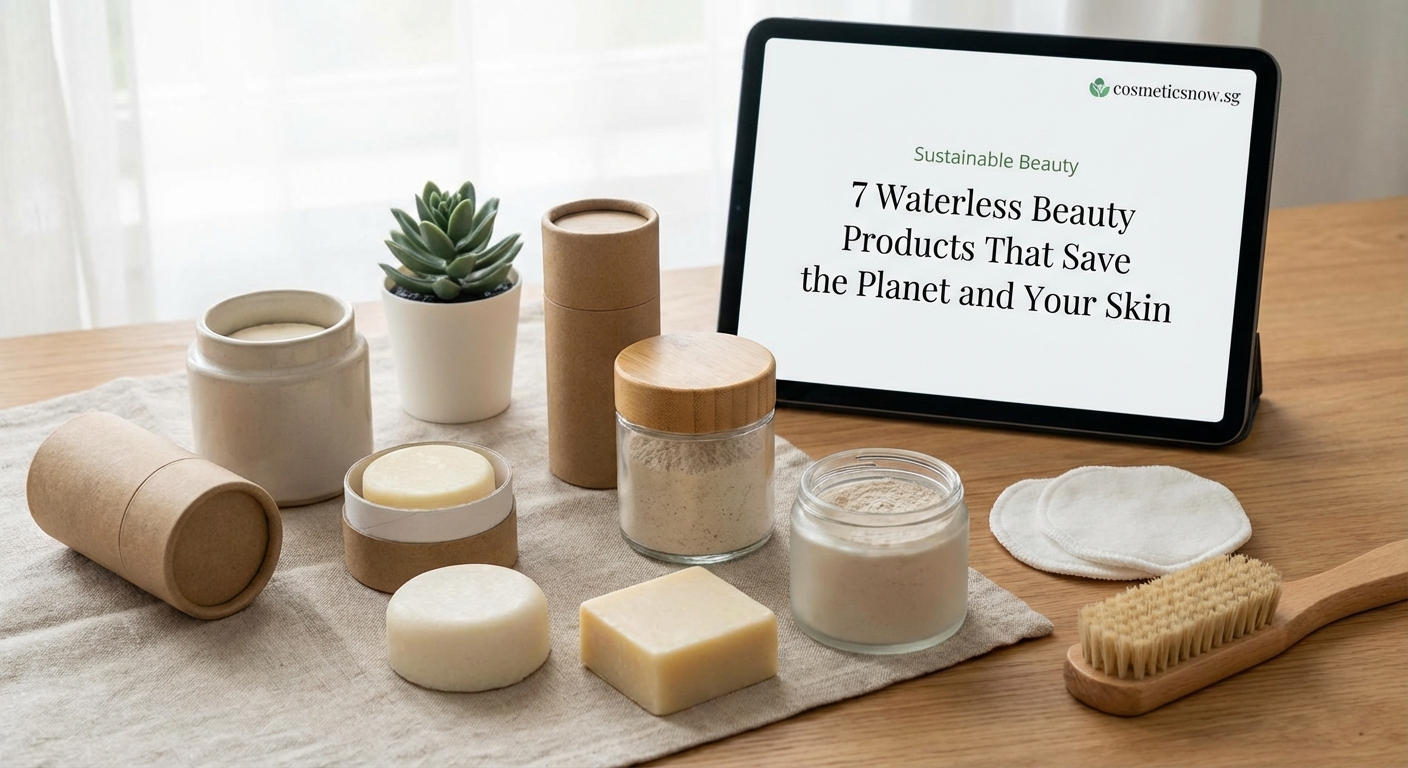
Waterless doesn’t mean dry or harsh. These formulas use alternative bases that deliver moisture and active ingredients without adding water during manufacturing.
Common waterless formats include:
- Powder formulas that activate with water at application
- Anhydrous oils and butters
- Solid bars and sticks
- Concentrated balms
- Dry masks and treatments
True waterless products contain zero added water in their ingredient lists. Some brands claim “waterless” status while using aloe juice, hydrosols, or other water-based ingredients. Read labels carefully.
The best waterless formulas feel luxurious. They shouldn’t require complicated activation or leave residue. Quality matters more than format.
How concentrated formulas benefit your skin
Removing water creates space for higher concentrations of active ingredients. A waterless vitamin C serum might contain 20 percent ascorbic acid compared to 10 percent in a water-based version.
This concentration means you use less product per application. A pea-sized amount of waterless formula often equals a pump or two of traditional product.
Your skin also stays protected. Without water, formulas don’t need aggressive preservative systems. This reduces irritation for people with sensitive skin or conditions like rosacea and eczema.
Many waterless products use your skin’s natural moisture to activate. This creates a custom experience. Dry skin absorbs more. Oily skin needs less. The formula adapts.
“Waterless formulations allow us to pack more active ingredients into smaller packages. You’re getting clinical-strength results without paying for filler ingredients that provide no benefit.” – Cosmetic chemist Marie Veronique
Making the switch to waterless beauty step by step
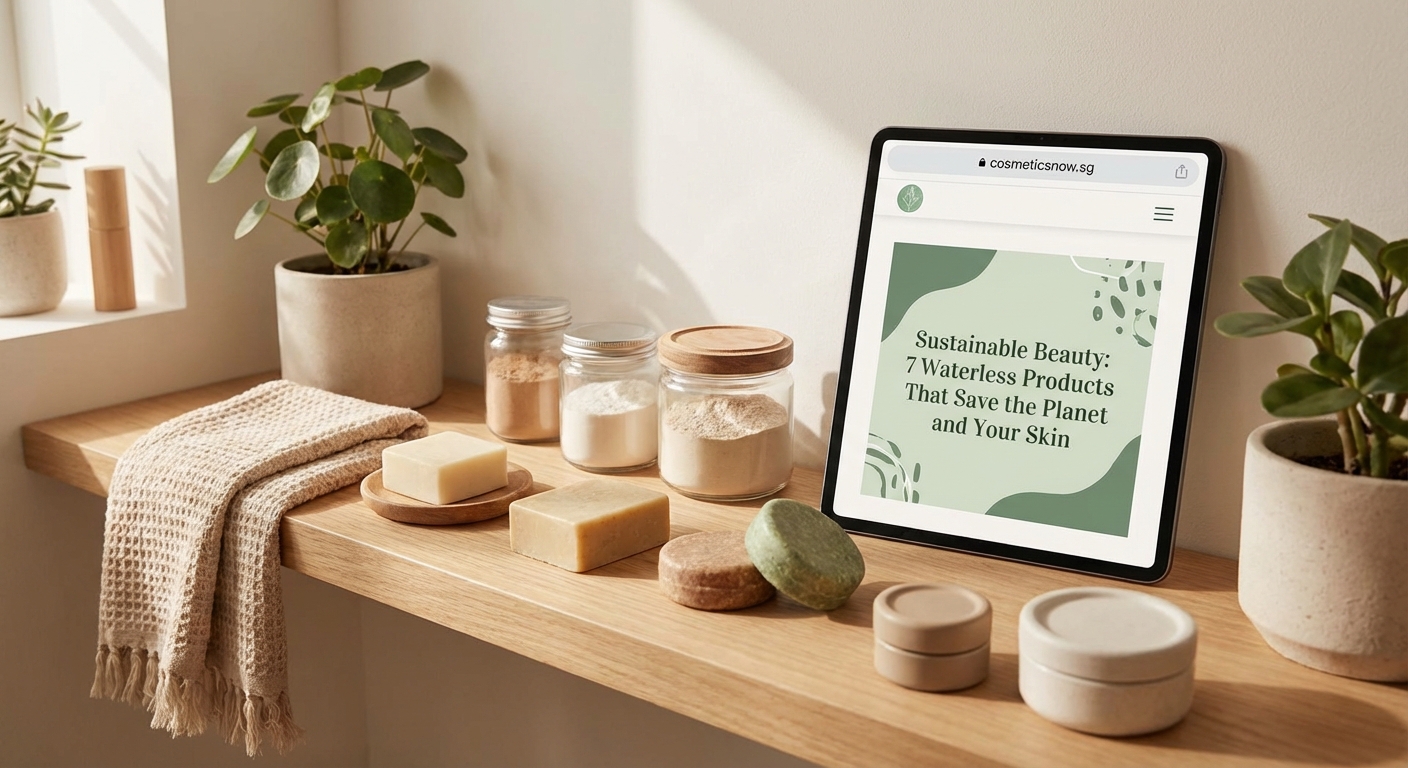
Transitioning your routine doesn’t require throwing everything away at once. Start strategic.
-
Replace your cleanser first. Powder cleansers work for all skin types. Mix a small amount with water in your palm, then massage onto damp skin. One jar lasts three to four months.
-
Swap your moisturizer next. Try a facial oil or anhydrous balm. These seal in moisture from properly layered serums without adding water weight to your routine.
-
Test a waterless mask. Dry clay or powder masks let you control consistency. Add water, honey, or oil based on your skin’s needs that day.
-
Consider solid treatments. Balm-based spot treatments, eye creams, and lip products eliminate tubes and pumps. They travel easily too.
-
Finish with specialty products. Waterless sunscreens, makeup removers, and toners complete your sustainable routine.
Each swap reduces your bathroom’s environmental impact. You’ll also notice products lasting longer because concentrated formulas require less per use.
Common mistakes people make with waterless products
| Mistake | Why it happens | Better approach |
|---|---|---|
| Using too much product | Assuming same amount as water-based | Start with half your usual amount |
| Skipping the activation step | Not reading instructions | Add water, oil, or let skin moisture activate |
| Storing incorrectly | Treating like liquid products | Keep powder products sealed and dry |
| Expecting instant results | Comparing to heavily fragranced formulas | Give concentrated actives two weeks |
| Mixing with wrong base | Using water when oil works better | Match base to product type and skin needs |
The biggest mistake? Giving up too soon. Waterless products feel different. Your skin needs time to adjust to concentrated formulas and new textures.
Some people add too much water to powder products, creating a runny mess. Others use waterless oils on soaking wet skin, preventing absorption. Match your technique to the product format.
The environmental math behind waterless beauty
Numbers tell the real story. A typical 50ml serum bottle weighs about 150 grams with packaging. The serum itself is 80 percent water, meaning 40ml of water gets shipped globally.
A waterless version in a 15ml jar weighs 50 grams total. It contains the same amount of active ingredients but eliminates 40ml of water and 100 grams of shipping weight.
Multiply this across millions of units. The carbon savings become substantial.
Waterless products also reduce plastic waste. Smaller containers mean less material. Many brands package waterless formulas in aluminum, glass, or compostable materials instead of plastic.
Water scarcity affects manufacturing too. Beauty production consumes massive amounts of fresh water. Sustainable beauty routines that eliminate water usage help preserve this critical resource.
Some waterless brands operate completely dry facilities. No water enters production at any stage. This prevents contamination, eliminates wastewater, and reduces the facility’s environmental footprint.
Best product categories for going waterless
Not every beauty product works well in waterless format. Some categories shine, others struggle.
Excellent waterless options:
- Cleansers (powder, oil, balm)
- Moisturizers (oils, butters, anhydrous creams)
- Masks (clay, powder, peel-off)
- Shampoos and conditioners (bars, powders)
- Deodorants (sticks, creams)
- Makeup removers (balms, oils)
Challenging categories:
- Toners (though some solid versions exist)
- Sheet masks (inherently water-based)
- Micellar waters (water is the point)
- Spray products (need liquid base)
Focus your waterless transition on categories where the format makes sense. You don’t need to force every product into powder form.
Consider your lifestyle too. Powder cleansers travel perfectly but require a bowl or sink. Balm moisturizers feel luxurious but might melt in hot climates. Match products to your real life, not ideals.
Reading labels to spot truly waterless formulas
Marketing teams love jumping on trends. “Waterless” appears on products that contain plenty of water-based ingredients.
Look for these terms in the first five ingredients:
- Aqua or water
- Aloe barbadensis (aloe juice)
- Hydrosol or floral water
- Herbal infusions or extracts in water
If any appear, the product isn’t truly waterless. It might be water-reduced or concentrated, but water plays a role.
True waterless products list oils, butters, waxes, and powders. Common ingredients include:
- Plant oils (jojoba, rosehip, squalane)
- Butters (shea, cocoa, mango)
- Waxes (candelilla, carnauba)
- Powders (clays, starches, minerals)
- Silicones (dimethicone, cyclomethicone)
Some brands use greenwashing tactics to appear more sustainable than they are. Verify claims by reading full ingredient lists, not just marketing copy.
Adapting waterless products to different skin types
Waterless doesn’t mean one-size-fits-all. Your skin type determines which formats work best.
Dry skin: Loves anhydrous balms and rich facial oils. These seal moisture without adding water that evaporates. Layer a hydrating serum underneath, then lock it in with waterless products.
Oily skin: Benefits from powder cleansers and lightweight oils. Squalane and jojoba mimic skin’s natural sebum without clogging pores. Avoid heavy butters on your face.
Combination skin: Mix formats by zone. Use powder products on your T-zone, richer balms on dry cheeks. This targeted approach prevents overloading any area.
Sensitive skin: Appreciates waterless formulas without preservatives. Fewer ingredients mean less irritation. Patch test new products on your inner arm first.
Acne-prone skin: Choose powder masks and oil-free waterless options. Clay-based products absorb excess oil without stripping skin. Avoid coconut oil and heavy butters that might trigger breakouts.
Your existing skincare routine structure still applies. Waterless products simply replace water-based versions in the same steps.
Storing and using waterless products correctly
Proper storage extends product life and maintains effectiveness.
Keep powder products completely dry. Water contamination causes clumping and bacterial growth. Store in a cool, dry place away from your shower.
Close jars and containers immediately after use. Exposure to air can oxidize oils and degrade active ingredients.
Use clean, dry hands or a spatula. Introducing moisture or bacteria shortens shelf life, even without water in the formula.
Some waterless products need refrigeration. Check brand guidelines. Cold storage extends the life of products with delicate ingredients like vitamin C or retinol.
Travel-friendly formats make waterless products perfect for trips. Solid bars and powder cleansers won’t spill. Balms in small tins pass TSA requirements easily.
Cost comparison of waterless versus traditional products
Waterless products often cost more per unit. A 15ml jar might match the price of a 50ml bottle.
But cost per use tells a different story.
Concentrated formulas require less product per application. That expensive jar lasts three to four months instead of six weeks. The math works in your favor.
You also eliminate waste. No half-empty bottles of products that didn’t work. Waterless formulas pack more actives, so you see results faster and stick with products longer.
Shipping costs drop too. Lighter packages mean lower fees for online orders. Some brands pass these savings to customers.
Consider the hidden costs of traditional products. Water-based formulas need preservatives, stabilizers, and emulsifiers. These additives increase manufacturing costs. Waterless products skip these ingredients, putting more money toward active components that benefit your skin.
Building a complete waterless beauty routine
A full waterless routine might look like this:
Morning:
1. Powder cleanser mixed with water
2. Waterless vitamin C powder (mix with squalane)
3. Facial oil or anhydrous serum
4. Mineral sunscreen stick
Evening:
1. Cleansing balm for makeup removal
2. Powder cleanser for second cleanse
3. Waterless retinol in squalane base
4. Rich facial balm or butter
Weekly treatments:
– Clay mask powder (customize with water, honey, or yogurt)
– Dry peel mask
– Facial oil massage
This routine eliminates water from every step. You control hydration by applying products to damp skin or mixing with water when needed.
Some people prefer hybrid routines. They use waterless products where they work best and keep water-based options for specific needs. That’s completely valid. Sustainability isn’t about perfection.
Where waterless beauty fits in the bigger picture
Waterless products represent one piece of sustainable beauty. They work best alongside other eco-conscious choices.
Pair waterless formulas with refillable packaging when possible. Some brands offer powder refills in compostable pouches.
Choose brands with carbon-neutral shipping. Waterless products already reduce shipping weight. Carbon offsets take it further.
Support companies that manufacture sustainably. Solid beauty bars and waterless formulas mean nothing if production destroys ecosystems.
Consider the full lifecycle. How will you dispose of packaging? Can you recycle or compost it? Proper recycling of beauty products requires research and effort.
Think about returns too. Returned beauty products often get destroyed, creating waste even if you didn’t like them. Buy thoughtfully to reduce returns.
Real results from people who made the switch
Users report several consistent benefits after transitioning to waterless beauty.
Skin feels more nourished. Concentrated active ingredients deliver visible results faster than diluted formulas. People notice improved texture, reduced fine lines, and better hydration.
Products last significantly longer. A small jar of waterless moisturizer outlasts a large bottle of traditional cream. This reduces both spending and waste.
Travel becomes easier. Solid and powder products don’t leak or spill. They take up less space in luggage. No worrying about liquid restrictions on flights.
Bathrooms feel less cluttered. Smaller packages mean more counter space. Minimalist packaging looks cleaner than rows of plastic bottles.
Environmental guilt decreases. Knowing your routine creates less waste and uses fewer resources provides genuine peace of mind.
Some people struggle with the adjustment period. Textures feel different. Application methods require learning. Most push through these challenges and prefer waterless products after a few weeks.
Your waterless beauty journey starts small
You don’t need to overhaul everything today. Start with one product. Learn how it works. Adjust your technique. Then add another.
Pay attention to what your skin tells you. Waterless products deliver concentrated ingredients. Your skin might need time to adjust to higher potency.
Research brands carefully. True waterless formulas come from companies committed to sustainability, not just trend-chasing. Look for transparency about ingredients, sourcing, and manufacturing.
Join communities of people making similar changes. Online forums and social media groups share tips, product recommendations, and troubleshooting advice.
Remember that sustainable beauty extends beyond products. How you use them matters. Turn off the tap while cleansing. Remove makeup properly to avoid needing multiple cleansing steps. Small habits compound into significant impact.
Waterless beauty products prove that effective skincare doesn’t require unnecessary fillers. Every concentrated formula you choose reduces waste, conserves water, and delivers better results for your skin. The planet benefits. Your skin benefits. That’s beauty worth buying.