Your skin at 30 isn’t the same as it was at 25. You might notice your foundation settling into lines that weren’t there before, or your concealer emphasizing texture instead of hiding it. These changes aren’t flaws, they’re just signs that your makeup routine needs an update. The products that worked beautifully in your twenties might now feel too heavy, too drying, or simply wrong for your current skin needs.
Women in their 30s need makeup that hydrates while providing coverage, addresses early fine lines without settling into them, and enhances natural features without looking heavy. The best products combine skincare benefits with color cosmetics, using formulas that adapt to changing skin texture, moisture levels, and increased sensitivity that often develops during this decade of life.
Understanding Your Skin Changes in Your 30s
Your skin produces less oil starting around age 30. This means products that felt lightweight before might now feel drying. Collagen production slows down too, creating subtle texture changes that affect how makeup sits on your face.
Cell turnover decreases from every 28 days to closer to 35 or 40 days. Dead skin cells hang around longer, making your complexion look duller. Makeup can emphasize this texture if you’re not using the right formulas.
Hormonal shifts also play a role. Whether from pregnancy, postpartum changes, or natural fluctuations, your skin might behave differently month to month. Products need to work with these variations, not against them.
Foundation That Works With Mature Skin
Skip matte foundations. They cling to dry patches and settle into fine lines within hours. Instead, look for hydrating or satin finish formulas that contain skincare ingredients like hyaluronic acid or peptides.
Buildable coverage beats full coverage every time. You want the option to add more where needed without looking cakey. Start with a light layer and build up around areas that need extra help.
Test foundation on your jawline in natural light. Your face and neck should match perfectly. Many women find their skin tone shifts slightly in their 30s, so that perfect shade from five years ago might need updating.
How to apply foundation like a professional makeup artist becomes even more important as your skin texture changes. Application technique matters as much as the product itself.
Application Tips That Make a Difference
- Always moisturize first and wait three minutes before applying foundation
- Use a damp beauty sponge instead of brushes for a more natural finish
- Apply in thin layers, building coverage gradually rather than using one thick application
- Set only the T-zone with powder, leaving cheeks and forehead with their natural finish
- Refresh throughout the day with facial mist instead of adding more powder
Concealer Strategies for Fine Lines
Traditional concealers often make under-eye areas look worse after 30. The thick formulas crease immediately and draw attention to fine lines.
Choose liquid concealers with light-reflecting particles. These bounce light off your skin instead of sitting heavily on top. Look for ingredients like vitamin C and caffeine that actually benefit the delicate under-eye area.
Apply concealer in a triangle shape under your eyes, not just in the inner corner. This technique brightens a larger area and looks more natural. Pat gently with your ring finger to blend, never rub or drag the skin.
“The biggest mistake I see women make in their 30s is using too much concealer. Less product, applied strategically, always looks better than heavy coverage that creases and ages the face.” – Professional makeup artist with 15 years experience
Eye Products That Actually Help
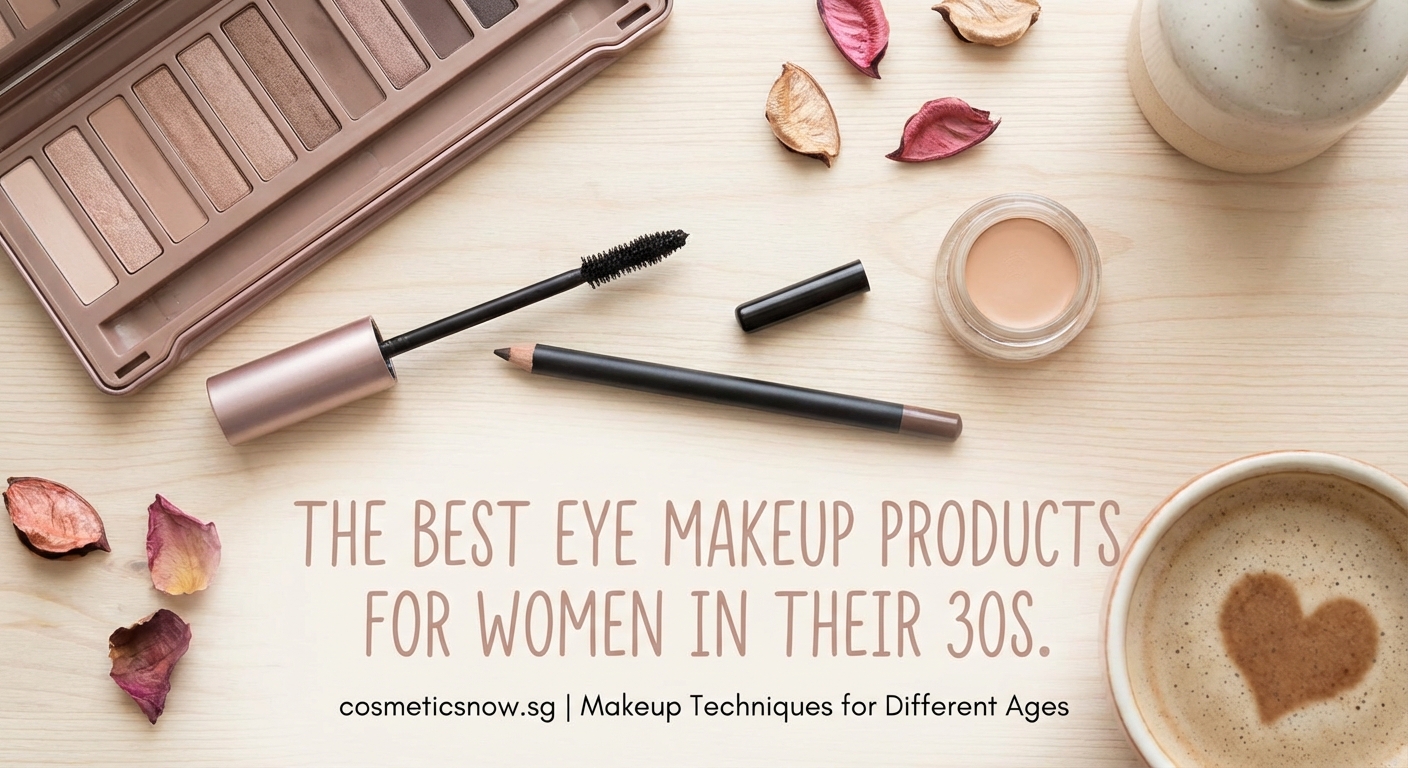
Eye makeup gets trickier when lids start to lose firmness. Eyeshadow creases more easily. Eyeliner smudges into fine lines. The products you choose need to account for these changes.
Cream eyeshadows with a powder finish work better than traditional powder shadows now. They provide better color payoff without emphasizing texture. Set them lightly with a matching powder shadow to prevent creasing.
Gel or felt-tip eyeliners give you more control than liquid liners. Your hands might not be as steady as they were at 25, and these formulas are more forgiving. They also tend to be less harsh-looking than stark black liquid liner.
| Product Type | What to Avoid | What to Choose |
|---|---|---|
| Eyeshadow | Shimmery formulas that emphasize texture | Satin finish creams with subtle sheen |
| Eyeliner | Harsh black liquid that bleeds | Soft brown or charcoal gel formulas |
| Mascara | Waterproof formulas that dry lashes | Conditioning formulas with lash-care ingredients |
| Brow Products | Heavy pencils that look drawn-on | Soft powders or tinted gels for natural definition |
Blush and Bronzer Placement Updates
Where you place color matters more now. Applying blush too low can drag your face down visually. Bronzer in the wrong spots emphasizes shadows instead of adding warmth.
Cream blushes blend more naturally into skin than powder formulas. They give a lit-from-within glow that powder blushes can’t match. Apply to the apples of your cheeks and blend upward toward your temples.
Bronzer should go where the sun naturally hits your face. Think about where you’d actually tan: forehead, nose bridge, and cheekbones. Skip the hollows of your cheeks unless you’re specifically contouring based on your face shape.
Lip Products for Changing Lips
Lips lose volume and definition starting in your 30s. Lipstick bleeds more easily into fine lines around your mouth. The bold matte lips you loved before might now look aging instead of chic.
Hydrating lipsticks with a satin or cream finish look more youthful. They keep lips looking plump and healthy. Save matte liquid lipsticks for special occasions when you can touch up frequently.
Line your lips with a nude liner that matches your natural lip color, not your lipstick. This creates a barrier that prevents bleeding without creating an obvious line. Fill in your entire lip with the liner before applying lipstick to make color last longer.
Glosses aren’t just for teenagers. A subtle gloss on top of lipstick adds dimension and makes lips look fuller. Choose formulas with hyaluronic acid or peptides for added skincare benefits.
Primer Makes Everything Better
Primer becomes essential in your 30s, not optional. It creates a smooth canvas that helps everything else apply better and last longer.
Different primers solve different problems:
- Hydrating primers for dry skin that needs moisture
- Pore-filling primers for enlarged pores or uneven texture
- Color-correcting primers for redness or sallowness
- Illuminating primers for dull, tired-looking skin
Apply primer only where you need it. You might need a hydrating formula on your cheeks but a mattifying one on your T-zone. Mixing primers in different zones is perfectly fine.
Setting Products That Don’t Age You
Heavy powder all over your face adds years. It settles into every line and makes skin look flat and lifeless.
Use setting spray instead of powder whenever possible. It locks makeup in place without the aging effect of powder. Look for formulas with skin-loving ingredients like rose water or green tea.
If you must use powder, apply it only to areas that get oily. Use a fluffy brush and the lightest possible hand. Translucent powder works better than tinted versions for preventing a cakey look.
Building Your Essential Kit
You don’t need 50 products. A streamlined routine with the right products works better than a complicated system with mediocre formulas.
Start with these essentials:
- Hydrating primer
- Medium coverage foundation with skincare benefits
- Creamy concealer with light-reflecting properties
- Cream blush in a universally flattering shade
- Neutral eyeshadow palette with satin finishes
- Soft eyeliner in brown or charcoal
- Volumizing mascara with conditioning ingredients
- Nude lip liner
- Hydrating lipstick in your signature shade
- Setting spray
Add specialty products as you identify specific needs. Maybe you need a color-correcting primer for redness, or a specific eyeshadow shade for evening looks. Build slowly based on what actually improves your routine.
Skincare Integration Matters More Now
Makeup and skincare can’t be separated anymore. Your makeup will only look as good as the skin underneath it.
Building a solid skincare routine creates the foundation for better makeup application. Hydrated, well-exfoliated skin holds makeup better and needs less product overall.
Pay special attention to eye care. The skin around your eyes is the thinnest and shows aging first. A good eye cream improves how concealer and eyeshadow perform in that area.
Common Mistakes to Avoid
Using the same products from your 20s rarely works well. Your skin has different needs now. What felt perfect five years ago might be completely wrong today.
Don’t skip sunscreen under makeup. Sun damage accelerates aging more than any other factor. Many foundations include SPF, but it’s usually not enough. Apply a separate sunscreen first.
Stop buying products just because they’re trending. Social media makeup often looks great in photos but terrible in person, especially on mature skin. Focus on what works for your real life, not Instagram.
Avoiding common makeup mistakes becomes more important as you age. Small errors that didn’t matter before now significantly impact how your makeup looks.
Adapting to Seasonal Changes
Your skin behaves differently throughout the year. Summer might bring more oil, while winter creates dry patches. Your makeup routine should flex with these changes.
Keep two versions of key products. A lighter foundation for humid months and a more hydrating one for winter makes sense. Same with moisturizer and primer.
Transitioning your makeup routine seasonally doesn’t mean buying entirely new products. Small adjustments to application and product combinations often work better than complete overhauls.
When to Splurge and When to Save
Not every product needs to be expensive. Some drugstore formulas perform just as well as luxury versions.
Splurge on:
– Foundation (it’s on your entire face)
– Concealer (you use it daily)
– Mascara (cheap formulas often irritate eyes)
Save on:
– Eyeliner (drugstore gel liners work beautifully)
– Lip liner (the formula is simple and inexpensive versions work fine)
– Powder (translucent powder is translucent powder regardless of price)
Test before committing. Many stores offer samples of expensive products. Use them for a few days before buying the full size.
Makeup Removal Is Part of the Process
Removing makeup properly matters more in your 30s. Sleeping in makeup clogs pores and prevents skin from repairing itself overnight.
Use an oil-based cleanser first to break down makeup, followed by a water-based cleanser to remove residue. This double cleanse method ensures everything comes off without harsh scrubbing.
Be gentle around your eyes. The tugging and pulling from aggressive makeup removal causes premature wrinkles. Use a dedicated eye makeup remover and soft cotton pads.
Making Products Work Harder
Mix a drop of facial oil into your foundation for extra hydration. This trick transforms any foundation into a more skin-friendly formula without buying a new product.
Use cream products for multiple purposes. A cream blush works on lips too. Bronzer can double as eyeshadow. This simplifies your routine and ensures color coordination across your face.
Refresh makeup throughout the day with facial mist instead of adding more product. Spray lightly and gently press with your hands to revive your morning application.
Your Makeup Routine Grows With You
The best makeup products for women in their 30s aren’t about hiding age or fighting natural changes. They’re about working with your skin as it evolves, enhancing your features, and making you feel confident.
Your routine will keep changing as you move through this decade. What works at 31 might need adjustment by 35. Stay flexible, pay attention to how products perform on your actual skin, and adjust as needed. The goal isn’t perfection, it’s finding products that make getting ready feel easy and help you look like the best version of yourself right now.