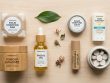
Clean beauty focuses on what is left out of a formula, while green beauty focuses on the product’s environmental footprint. Neither term is legally regulated, so brands can use them loosely. Your best defense is ingredient literacy and third-party certifications. Learn to spot the difference, read labels carefully, and choose products that match your values without falling for marketing hype.
Clean vs Green Beauty Difference: What Actually Matters on Your Shelf
Walk into any beauty store today and you will see shelves covered in pastel packaging stamped with leaves, minimalist logos, and words like “clean,” “green,” “natural,” and “eco.” It feels good to buy these products. It feels responsible. But here is the uncomfortable truth: those words are not regulated. Anyone can print a leaf on a bottle.
That is why understanding the clean vs green beauty difference matters more than ever. You want products that are safe for your skin and kind to the planet. But marketing labels do not always tell the full story. Some brands genuinely walk the talk. Others just use paint and words. This guide will help you tell the two apart, spot greenwashing, and make choices you feel confident about.
Clean beauty focuses on ingredients that are considered safe for your body, while green beauty focuses on the environmental impact of sourcing, packaging, and production. The two overlap, but they are not the same. Because neither term is strictly regulated, brands can stretch the truth. Your best defense is checking certifications, reading full ingredient lists, and weighing both personal health and planetary impact before you buy.
What Does Clean Beauty Actually Mean?
Clean beauty is about what is in the product. A clean formula avoids ingredients that are linked to health concerns. Think parabens, phthalates, sulfates, synthetic fragrances, and certain preservatives. The exact list changes depending on who you ask. There is no legal standard for the word “clean” in the United States. That is the first thing to understand.
Most clean beauty brands focus on transparency. They list everything on the label. They avoid controversial ingredients. They may or may not use synthetic ingredients. Some clean brands use lab made preservatives because they are safer than natural alternatives that can spoil. The goal is skin safety first, not necessarily eco purity.
Expert advice: Treat “clean” as a philosophy, not a certification. No government body defines it, so your best tool is your own ability to read an ingredient list and spot red flags.
What Green Beauty Actually Means
Green beauty is about the planet, not just your skin. A green product should have a lower environmental footprint. This can mean biodegradable formulas, recycled packaging, or ingredients grown without pesticides. The focus shifts from what is inside the bottle to how the bottle is made and what happens after you toss it.
Green beauty also considers the full lifecycle of a product. That includes sourcing, manufacturing, shipping, and disposal. A brand can be fully clean and still harm the environment with plastic-heavy packaging or carbon-intensive shipping. Likewise, a green brand can use ingredients that are technically natural but not ideal for sensitive skin.
The clean vs green beauty difference comes down to intent. Clean beauty centers on what you put on your skin. Green beauty centers on what your purchase does to the planet. One is personal. The other is planetary. Both matter, but they are not the same.
What Does Clean Beauty Actually Mean?
Clean beauty has no official legal definition. It is a marketing term. Most brands use it to mean formulas free from certain ingredients they consider harmful. These often include parabens, sulfates, phthalates, and synthetic fragrances. The focus is on your health and skin safety.
A clean product can still use synthetic ingredients. It can come in plastic packaging. It may even be shipped halfway around the world. Clean beauty is about what is inside the bottle, not the footprint it leaves behind.
Many brands use the word “clean” loosely. Some have their own lists of banned ingredients. Others follow third party standards. The lack of one global definition means you need to look past the label and read the full ingredient list yourself.
What Does Clean Beauty Actually Mean?
Clean beauty focuses on ingredient safety and transparency. The goal is to avoid ingredients that are suspected or proven to harm human health. Think parabens, phthalates, sulfates, synthetic fragrances, and certain preservatives. A clean formula is not necessarily natural. It can contain lab made ingredients that are perfectly safe for your skin.
What clean beauty does not mean:
– Certified organic
– Zero carbon footprint
– Cruelty free (though many brands do both)
– Free of synthetic chemicals
The term “clean” has no legal definition. No government agency regulates it. That means each brand decides what clean means to them. Some brands ban hundreds of ingredients. Others ban just a handful. This is why two products labeled “clean” can look very different on the ingredient list.
What Does Green Beauty Actually Mean?
Green beauty focuses on the planet. It looks at the environmental footprint of a product from start to finish. That includes sourcing, manufacturing, packaging, and disposal. A green product should reduce harm to the earth, even if it cannot eliminate it entirely.
Green beauty often overlaps with terms like sustainable, eco friendly, and zero waste. But again, there is no single legal definition. A brand can call itself green without third party certification. That is why you need to look for proof, not just pretty leaf logos.
The Core Difference Between Clean and Green
Clean beauty is about what is in the formula. Green beauty is about how the product affects the planet. One focuses on your skin, the other focuses on the environment. A product can be one without the other.
A moisturizer can be clean, with no questionable ingredients, but still come in a plastic tube that ends up in a landfill. A lipstick can be green, with a bamboo case and carbon neutral shipping, yet contain synthetic dyes and fragrance that irritate sensitive skin.
The ideal product is both. But knowing the difference helps you decide which matters more to you, and it helps you spot brands that blur the lines for marketing gain.
What Does “Clean Beauty” Actually Mean?
Clean beauty focuses on what is inside the formula. The term describes products made without ingredients that are suspected of harming human health. That includes parabens, phthalates, sulfates, and synthetic fragrances. But here is the catch: clean is not regulated. There is no official standard. One brand may call a product clean if it avoids three ingredients. Another may avoid fifty. The definition shifts depending on who is talking.
Many brands use the word clean to mean “free from controversial ingredients.” That sounds simple, but the list of controversial ingredients varies wildly. Some brands ban everything on the EWG database. Others only avoid ingredients banned by the EU. This lack of consistency is why two products can both say “clean” and have totally different formulas.
The good news? Clean beauty focuses on ingredient safety and transparency. It is about what is inside the bottle, not how the bottle is made.
What Does Green Beauty Actually Mean?
Green beauty shifts the focus from the formula to the footprint. A green product should be gentler on the planet across its entire lifecycle. That includes sourcing, manufacturing, packaging, shipping, and disposal.
Common green beauty practices include:
- Using recycled or refillable packaging
- Sourcing ingredients through regenerative farming
- Reducing water usage during production
- Choosing biodegradable formulas
- Offsetting carbon emissions from shipping
Green beauty is about systems. It asks bigger questions. Where did the ingredient come from? How was it harvested? What happens when the package hits a landfill? These are supply chain and environmental impact questions, not just ingredient questions.
The tricky part? A product can be green but not clean. It can also be clean but not green. Sometimes it is neither. And occasionally, it is both. Understanding the clean vs green beauty difference starts with knowing what each term actually promises.
What Does “Clean Beauty” Actually Mean?
Clean beauty is about what is in the product. It focuses on ingredients. A clean formula avoids ingredients that are linked to health concerns, like parabens, phthalates, sulfates, and synthetic fragrances. But here is the catch: there is no official legal definition. No government body certifies a product as clean. The term is a marketing label, not a regulated standard.
Many brands create their own “clean lists” and “dirty lists.” They decide what to avoid. One brand might ban 50 ingredients. Another might ban 1,500. That is a huge difference.
Clean beauty is not the same as natural beauty. A clean product can still contain synthetic ingredients. It just means those ingredients are considered safe by the brand’s standards. This is useful, but it can also be confusing.
What Clean Beauty Really Covers
Clean beauty focuses on your health. It asks a simple question: are the ingredients safe for your body? Brands that call themselves clean usually avoid parabens, phthalates, sulfates, and synthetic fragrances. They often point to the EWG Skin Deep database or similar tools.
But here is the catch. There is no legal definition for clean beauty. No government agency checks these claims. One brand’s clean list can include ingredients another brand bans. This is why you need to read labels yourself instead of trusting a logo.
What Green Beauty Really Covers
Green beauty focuses on the planet. It asks about the environmental impact of a product from start to finish. That includes sourcing, manufacturing, packaging, and disposal. A green brand might use recycled packaging, carbon neutral shipping, or biodegradable formulas. It may also support regenerative farming or reef safe ingredients.
Green beauty is not the same as clean beauty. A product can be green but still contain synthetic ingredients. It can also be clean but come in wasteful packaging. The terms overlap, but they are not twins.
The Core Difference Between Clean and Green Beauty
Clean beauty centers on what is in the product. Green beauty centers on what the product does to the planet. That is the clean vs green beauty difference in one sentence.
Clean beauty focuses on ingredients. It asks: are the ingredients safe, non toxic, and free from questionable chemicals? Green beauty asks a bigger question: what is the full environmental footprint of this product, from sourcing to packaging to disposal?
Think of it this way. A clean product may avoid parabens and phthalates, but it could still come in a plastic jar wrapped in cellophane. A green product might use recycled packaging, yet still contain synthetic ingredients that some consumers want to avoid. Neither label is regulated, and both are used loosely by brands.
That is why you need to look deeper than the marketing copy. Understanding the clean vs green beauty difference starts with knowing what each term does and does not promise.
What Does Clean Beauty Actually Mean?
Clean beauty focuses on ingredient safety. It means a product is free from certain ingredients that are suspected to be harmful to human health. Think parabens, phthalates, sulfates, synthetic fragrances, and formaldehydes.
But here is the catch. There is no legal definition for clean beauty. No government agency in the United States certifies a product as clean. One brand might ban 50 ingredients, while another bans 1,500. Both can call themselves clean.
This lack of regulation means the term is a marketing claim, not a safety standard. A product can be labeled clean and still contain allergens or irritants. It can also be clean and still come wrapped in layers of single use plastic.
What clean beauty really signals is a philosophy. The brand is trying to avoid certain ingredients that consumers have flagged as questionable. Think parabens, phthalates, synthetic fragrance, and sulfates. That is a great starting point, but it does not tell you everything about the product.
What Clean Beauty Does Not Tell You
Clean beauty focuses on what is not in the formula. It rarely tells you about packaging, carbon footprint, or ingredient sourcing. A product can be perfectly clean and still arrive in a non recyclable plastic shell. It can be free of “bad” ingredients and still rely on palm oil that contributes to deforestation.
That is the core of the clean vs green beauty difference. Clean is about your body. Green is about the planet. They overlap, but they are not the same.
The Truth About Sustainable Beauty Labels
(continued in next message)
What Does Green Beauty Actually Mean?
Green beauty shifts the spotlight from your skin to the planet. It considers the full lifecycle of a product. That includes sourcing, manufacturing, packaging, shipping, and disposal.
A green beauty product aims to reduce environmental harm. This can mean:
- Biodegradable formulas that break down safely
- Recyclable or refillable packaging
- Responsibly sourced ingredients
- Carbon neutral shipping
- Water conservation during production
- Cruelty free testing practices
Green beauty is about the planet first. It can still contain synthetic ingredients. The focus is on environmental footprint, not ingredient purity.
That is a key part of the clean vs green beauty difference. Clean beauty focuses on what is in the formula. Green beauty focuses on the product’s impact on the planet. One is about your body. The other is about the earth.
What Does Clean Beauty Actually Mean?
Clean beauty has no official legal definition. The FDA does not regulate the term. That means brands can use it freely, even when their formulas are not fully transparent.
In practice, clean beauty usually refers to products formulated without ingredients that are suspected or known to be harmful. This includes parabens, phthalates, sulfates, synthetic fragrances, and certain preservatives. The goal is to avoid exposure to potentially toxic chemicals.
But here is where it gets tricky. There is no universal list of “clean” ingredients. One brand may avoid phenoxyethanol while another considers it perfectly safe. That is why clean beauty is more of a marketing philosophy than a regulated standard.
What “Green” Beauty Actually Means
Green beauty shifts the focus from your body to the planet. A green product should ideally:
- Use sustainably sourced ingredients
- Come in recyclable or biodegradable packaging
- Reduce carbon footprint during manufacturing
- Support fair trade and ethical labor practices
- Avoid ingredients that harm ecosystems
The problem? “Green” is also unregulated. A brand can call itself green without third party certification. This is where greenwashing creeps in.
The Core Difference Between Clean and Green Beauty
Clean beauty focuses on what is inside the formula. Green beauty focuses on the product’s impact on the planet. They overlap, but they are not the same thing.
A clean product might avoid parabens, phthalates, and synthetic fragrances. That is a health based promise. A green product might use recycled packaging, renewable energy, or biodegradable formulas. That is an environmental promise.
The key difference is intent. Clean beauty is about ingredient safety and transparency. Green beauty is about ecological footprint and sustainability. A product can be clean but not green. A product can be green but not clean. The best products aim for both, but you should know which claim you are actually checking for.
What Does Clean Beauty Actually Mean?
Clean beauty has no legal definition. No government agency regulates the term. Brands use it to signal that a formula avoids certain ingredients, like parabens, phthalates, sulfates, and synthetic fragrances. But the exact list varies from brand to brand. One brand might call a product clean if it skips parabens. Another might allow them.
The focus of clean beauty is on the formula itself. It asks: what goes on your skin? Are the ingredients safe, non-toxic, and free from suspected irritants? That is the core of the clean vs green beauty difference. Clean beauty looks at the product chemistry. Green beauty looks at the environmental impact.
That distinction matters. A product can be clean but not green. It can use only natural ingredients yet come in non recyclable plastic packaging. It can also be green but not clean, like a formula that uses an eco-friendly preservative that your skin reacts to.
What Does Clean Beauty Actually Mean?
Clean beauty has no official legal definition. It is a marketing term that brands use to describe formulas free from certain ingredients they call harmful. Think parabens, sulfates, phthalates, synthetic fragrances, and other controversial additives.
The problem? There is no universal standard. One brand may call a product clean because it skips parabens. Another may use the same label while still including synthetic preservatives. Neither is wrong or right. They are simply following their own internal standards.
What clean beauty does well is respond to consumer concerns. It focuses on ingredient safety and transparency. That is a good thing. But “clean” does not automatically mean non-toxic, natural, or eco-friendly. A product can be clean and still come in plastic packaging with a huge carbon footprint.
Expert advice: Treat “clean” as a marketing term, not a scientific one. It is not regulated by the FDA or any global body. Your best defense is ingredient literacy, not label trust. Always check the full ingredient list and research anything unfamiliar before you buy.
Green Beauty: What Does It Really Mean?
Green beauty is about the planet. It focuses on environmental impact across the entire lifecycle of a product. This includes sourcing, manufacturing, packaging, and disposal. A green product should ideally reduce waste, lower carbon emissions, and avoid ingredients that harm ecosystems.
Unlike clean beauty, green beauty has clearer ties to actual environmental standards. Third party certifications like USDA Organic, EcoCert, or Leaping Bunny (cruelty free) offer some verification. But here is the catch: green beauty is not regulated by the FDA either. The term itself is not legally defined, so brands can claim it freely.
Green beauty often overlaps with clean beauty, but not always. A product can be clean without being green. It can also be green without being clean. For example, a formula with safe ingredients could still come in excessive plastic packaging. That is clean, but not green. Another product might use recycled packaging but contain ingredients that are not ideal for sensitive skin. That is green, but not necessarily clean.
The real question is how you weigh these factors when shopping.
What Does Clean Beauty Actually Mean?
Clean beauty focuses on what is inside the product. It is about avoiding ingredients that are considered harmful or questionable. Think parabens, phthalates, sulfates, synthetic fragrances, and certain preservatives. The goal is to choose formulas that feel safer for your skin and your health.
That sounds simple, but here is the catch. The word “clean” has no official legal definition in the United States. The FDA does not regulate it. So each brand decides what clean means for itself. One brand may ban 50 ingredients. Another may ban 1,500. Both can call their products clean.
This is why reading labels matters more than trusting the word on the front of the bottle. A clean label usually means no parabens, sulfates, phthalates, or synthetic fragrance. It often means no dyes, no mineral oil, and no harsh preservatives. But it does not automatically mean organic or eco-friendly. A clean product can still come in plastic packaging and contain ingredients that harm the environment.
What “Green” Beauty Actually Means
Green beauty focuses on the planet. It looks at how ingredients are grown, harvested, and sourced. It also considers packaging, carbon footprint, and whether the brand supports regenerative practices. A green product might use organic botanicals, recycled bottles, or refillable containers. The goal is to reduce harm to the environment.
That sounds great. But green beauty has a labeling problem. There is no single regulatory definition for “green” in cosmetics. The term can mean almost anything a brand wants it to mean. This is where the clean vs green beauty difference becomes tricky.
The Core Difference Between Clean and Green Beauty
Clean beauty focuses on what is inside the product. It asks: are the ingredients safe, non toxic, and free from questionable chemicals? Green beauty focuses on the product’s impact on the planet. It asks: are the ingredients sourced sustainably, is the packaging recyclable, and does the brand reduce waste?
You can have a clean product that is not green. A moisturizer can be free of parabens and phthalates yet still come in a plastic tube that ends up in a landfill. You can also have a green product that is not clean. A natural balm made with wildcrafted botanicals might be eco friendly in theory, but the formula could include a botanical essential oil that irritates sensitive skin.
The two concepts overlap, but they are not the same. Understanding the difference changes how you shop.
What Does Clean Beauty Actually Mean?
Clean beauty focuses on what is inside the product. It is about ingredients. A clean formula avoids ingredients that are suspected of harming human health. This can include parabens, phthalates, sulfates, synthetic fragrance, and certain preservatives.
But here is the catch. There is no legal definition for clean beauty. No government agency decides what is clean and what is not. Each brand creates its own standard. That means one brand’s clean list may allow ingredients another brand bans.
Most clean beauty brands share common goals:
- No parabens or phthalates
- No synthetic fragrances or dyes
- No sulfates (SLS/SLES)
- No formaldehyde releasers
- No mineral oils or silicones (sometimes)
- No animal testing
The focus is on your body. Clean beauty asks: what are you putting on your skin? It does not necessarily ask: how was this made, and what happens when it washes down the drain?
What Does Green Beauty Actually Mean?
Green beauty shifts the focus. Instead of only looking at ingredients, green beauty looks at the whole lifecycle of a product. That includes sourcing, manufacturing, packaging, shipping, and disposal.
A green beauty product should have a lower environmental footprint. This can mean:
- Biodegradable formulas that break down safely in nature
- Packaging made from recycled or refillable materials
- Ethically sourced ingredients that support biodiversity
- Carbon neutral shipping or production
- Formulas that avoid polluting waterways
Green beauty asks a bigger question. It is not just about what is inside the bottle. It is about what happens to the bottle after you toss it, and how the ingredients were grown or harvested in the first place.
What Does Clean Beauty Actually Mean?
Clean beauty is about ingredient safety and transparency. A clean product avoids ingredients that are known or suspected to harm health. Think parabens, phthalates, sulfates, synthetic fragrances, and certain preservatives.
But here is the catch. There is no official standard for clean beauty. No government agency defines it. One brand may call a product clean because it excludes one list of ingredients. Another brand may use the same label while allowing ingredients the first brand bans. This means clean is a marketing term, not a certification.
That does not make it useless. Many brands use clean to signal a commitment to avoiding controversial ingredients. The problem is that the definition shifts from brand to brand.
Green beauty focuses on environmental impact. It considers how ingredients are sourced, how products are made, how they are packaged, and what happens after you use them up. A green product might still contain synthetic ingredients, as long as their production and disposal are gentle on the planet.
What Does Clean Beauty Actually Mean?
Clean beauty is about what is inside the bottle. It usually means formulas are free from ingredients that are considered harmful or controversial. Think parabens, phthalates, sulfates, synthetic fragrances, and certain preservatives. The goal is to avoid anything that could irritate skin or pose health risks.
But here is the catch. There is no official standard for the term clean. No government agency defines it. No universal certifying body approves it. One brand might call a product clean because it skips parabens. Another brand might call a product clean because it uses organic aloe instead of water. The definitions shift from brand to brand.
That is why clean beauty is often criticized. It sounds reassuring, but it is not regulated. A product can be labeled clean even if it contains synthetic ingredients, as long as the brand decides they are safe. The word itself is a marketing tool, not a certification.
What Does Green Beauty Actually Mean?
Green beauty focuses on environmental impact. A green product should be produced with the planet in mind. That can mean sustainable sourcing, eco friendly packaging, or manufacturing processes that reduce waste and carbon emissions.
Unlike clean beauty, green beauty is more about the lifecycle of the product. How were the raw materials grown? How was the product manufactured? What happens to the packaging after you finish the bottle? These questions sit at the center of green beauty.
Green beauty also overlaps with terms like “sustainable” and “eco friendly.” But those words are not regulated either. A brand can call itself green without third party certification. That is where the confusion starts.
What Does Clean Beauty Actually Mean?
Clean beauty focuses on ingredients. It is about what is in the formula and, more importantly, what is left out. Brands that call themselves clean usually avoid ingredients like parabens, phthalates, sulfates, and synthetic fragrances. The goal is to reduce exposure to potentially irritating or harmful substances.
But here is the catch. The term clean is not legally defined. There is no official standard. One brand might avoid 50 ingredients. Another might avoid 2,000. Both can use the word clean. That is why reading labels matters more than trusting the word on the front of the bottle.
Clean beauty is often confused with natural beauty, but the two are not the same. A clean product can contain synthetic ingredients. It just means the formula avoids certain controversial ingredients. Natural products come from plants and minerals, but they can still contain allergens or irritants. Clean is about what is left out. Natural is about where the ingredients come from.
Green Beauty Goes Beyond Ingredients
Green beauty focuses on the bigger picture. It asks how a product is made, packaged, and shipped. Does the brand use recycled materials? Are the manufacturing processes carbon neutral? Can the packaging be refilled or composted? Green beauty looks at the full lifecycle of a product, from sourcing to disposal.
That means a product can be clean without being green. A formula can skip harsh chemicals but still come in single-use plastic packaging. And a product can be green without being clean. Think of an all natural formula that relies on a highly allergenic botanical oil. Both labels have value, but they answer different questions.
Clean beauty answers: what is in this product? Green beauty answers: what is the impact of this product?
What Does “Clean Beauty” Actually Mean?
Clean beauty focuses on ingredient safety and transparency. The goal is to avoid ingredients that are considered harmful, irritating, or controversial. That includes parabens, phthalates, sulfates, and synthetic fragrances. But here is the catch: there is no legal definition for clean beauty. No FDA standard. No universal checklist.
Each brand sets its own rules. Some brands ban hundreds of ingredients. Others only ban a handful. This means one brand’s “clean” serum might still contain ingredients another brand would never use.
What most clean beauty brands share:
– No parabens or phthalates
– No synthetic fragrances or dyes
– No sulfates (SLS/SLES)
– No formaldehyde releasers
– No mineral oils or silicones in many cases
The focus is on what is left out. Clean beauty is mostly about ingredient safety and avoiding questionable chemicals. It is not necessarily about environmental impact.
Expert advice: “Clean beauty is about what you put on your skin. Green beauty is about what you leave behind on the planet. They overlap, but they are not the same thing.” This distinction matters because a product can be perfectly safe for your body while still being wrapped in plastic and shipped halfway around the world.
What Does Green Beauty Actually Mean?
Green beauty focuses on the environmental footprint of a product. This includes sourcing, packaging, manufacturing, and even shipping. A green product should be gentle on the planet, not just on your skin. Think recyclable packaging, sustainably sourced ingredients, and formulas that biodegrade without harming ecosystems.
Green beauty brands often emphasize:
– Carbon neutral shipping or production
– Refillable or recyclable packaging
– Ethically sourced raw materials
– Cruelty free and vegan formulas
– Water conservation during manufacturing
The tricky part? There is no universal standard for “green.” One brand might call itself green because it uses recycled bottles. Another might earn the label through carbon offset programs. Both can be true, yet the products can feel very different in practice.
Clean Beauty vs Green Beauty: What Each Term Really Means
The beauty aisle is full of labels that sound similar but mean different things. Clean beauty focuses on what is (and is not) inside the formula. Green beauty focuses on the environmental impact of the product, from sourcing to packaging to disposal. They overlap sometimes, but they are not the same.
What Clean Beauty Really Means
Clean beauty is about ingredient safety and transparency. A clean product avoids ingredients that are suspected of being harmful to human health. That includes parabens, phthalates, sulfates, and synthetic fragrances. But here is the catch: the term “clean” is not regulated by the FDA or any central authority. One brand’s clean list may be another brand’s acceptable ingredient.
This means clean beauty is more of a marketing philosophy than a legal standard. Many brands use it to signal “non toxic” or “safer,” but there is no universal checklist. Some brands exclude hundreds of ingredients. Others only avoid a handful. That is why you cannot assume two clean beauty products are equal.
What clean beauty does not mean
Clean beauty is not the same as natural beauty. A product can be clean and still contain synthetic ingredients. It can also be natural but include ingredients you prefer to avoid. The term focuses on safety and transparency, not on how a plant is grown or harvested.
What green beauty actually means
Green beauty is about environmental impact. It looks at the full lifecycle of a product: sourcing, packaging, manufacturing, and disposal. A green product should reduce waste, use recycled materials, and avoid ingredients that harm ecosystems.
Green beauty also considers carbon footprint. It asks whether a brand offsets shipping emissions, uses renewable energy, or supports regenerative farming. These are bigger, system level questions that go far beyond what is inside the bottle.
Are Clean and Green the Same Thing? The Truth About Sustainable Beauty Labels
Walking through the beauty aisle in 2026 can feel like decoding a secret language. “Clean.” “Green.” “Natural.” “Sustainable.” “Non toxic.” They all sound good. They all sound similar. But are they the same? Not even close. And that gap matters more than you might think, especially if you are trying to shop with both your skin health and the planet in mind.
The truth is that clean and green beauty are often lumped together, but they answer two different questions. Clean beauty asks: what is inside the product? Green beauty asks: what is the impact of that product on the planet? One focuses on your skin, the other on the world around you. Understanding the clean vs green beauty difference can help you avoid greenwashing and make smarter choices.
Clean beauty focuses on what is left out of a formula, like parabens, sulfates, and synthetic fragrance. Green beauty focuses on environmental impact, from sourcing to packaging to carbon footprint. Neither term is legally regulated, so brands can use them loosely. Your best defense is ingredient literacy and a skeptical eye toward vague claims.
What Does “Clean Beauty” Actually Mean?
Walk into any beauty store and you will see shelves full of products stamped with the word “clean.” It sounds simple, but the truth is murkier. Clean beauty is not a regulated term. No government agency defines it. There is no official checklist that a product must pass before earning the label.
In practice, clean beauty usually means a product avoids certain ingredients that are considered harmful or controversial. Think parabens, phthalates, sulfates, synthetic fragrances, and mineral oils. The idea is to use formulas that feel safer for your skin and your health.
But here is where it gets tricky. One brand may call a product clean if it excludes parabens. Another brand may use the same label while still including synthetic preservatives or fragrance allergens. There is no universal standard. That is why the term gets confusing fast.
Clean beauty focuses on what is not in the product. It is about avoiding ingredients that are suspected of harming health. It does not automatically mean the product is eco-friendly or sustainable. A clean formula can still come in plastic packaging made from fossil fuels. It can still rely on ingredients that are not sourced responsibly.
Green beauty is different. It focuses on the environmental impact of a product across its full lifecycle. That includes sourcing, packaging, manufacturing, and disposal. A green product should reduce harm to the planet. It may or may not be clean in the way you expect.
The confusion happens because many brands use both words interchangeably. Some use them as marketing labels without legal definitions. That is where greenwashing creeps in.
This guide breaks down the clean vs green beauty difference so you can shop with confidence and skip the hype.
Clean beauty focuses on ingredients that are thought to be safe for your body, while green beauty focuses on practices that are kind to the planet. Neither term has a legal definition, so brands use them loosely. Look for third party certifications, full ingredient transparency, and verified sustainability claims. The most honest brands will explain what their labels mean and back them with evidence.
What Does Clean Beauty Actually Mean?
Clean beauty is about what goes on your skin. It refers to formulas free from ingredients that are suspected or known to be harmful. Think parabens, phthalates, sulfates, synthetic fragrances, and certain preservatives. The goal is simple: avoid questionable chemicals and choose ingredients perceived as safe.
But here is the catch. There is no official standard. No government body defines what clean means. One brand may call a product clean because it skips parabens. Another may use the term simply because it is free of fragrance. That is why the term feels slippery.
Clean beauty focuses on your health. It asks: what am I putting on my body? It does not automatically consider the planet. A product can be clean and still come in plastic packaging. It can contain palm oil from deforested land. It can be manufactured with high carbon emissions.
Green beauty, on the other hand, centers the planet. It asks about sourcing, packaging, biodegradability, and carbon footprint. A green product can still contain synthetic ingredients, as long as those ingredients are produced in an eco-conscious way.
The core difference is focus. Clean beauty is about what is in the product. Green beauty is about what the product does to the environment. Both matter. They are not the same thing.
What Clean Beauty Actually Means
Clean beauty has no legal definition. No federal agency in the United States regulates the term. A brand can call a product clean without meeting any specific standard. That is why you see it on everything from lipstick to shampoo.
In practice, clean beauty usually means formulas free from certain ingredients. Think parabens, phthalates, sulfates, and synthetic fragrances. But brands choose their own “no list.” One brand might ban 50 ingredients. Another might ban 500. The word clean is not regulated, so it means whatever the brand wants it to mean.
Many consumers assume clean equals safe. That is not always true. A product can be clean and still cause irritation for sensitive skin. It can also contain ingredients that are perfectly safe but sound scary. The term has no official standard, which is why two clean beauty products can look very different on the ingredient list.
What Does Green Beauty Actually Mean?
Green beauty focuses on the environmental side of a product. It asks questions like:
- Is the packaging recyclable or refillable?
- Were the ingredients sourced without harming ecosystems?
- Does the supply chain reduce carbon emissions?
- Is the brand transparent about its manufacturing process?
A green beauty product can still contain synthetic ingredients. That surprises many people. The term “green” is about environmental impact, not ingredient purity. A brand could use a lab made preservative that is highly eco friendly and still call itself green. On the flip side, a product with natural ingredients might be packaged in non recyclable plastic, which is not very green at all.
What Does Clean Beauty Actually Mean?
Clean beauty is not a regulated term. It has no official definition from the FDA or any global regulatory body. In practice, it usually means a product free from ingredients that are considered harmful or controversial. Think parabens, phthalates, sulfates, synthetic fragrances, and certain preservatives. The focus is on what is not in the formula.
But here is the catch. One brand may call a product clean because it avoids 10 ingredients. Another brand may avoid 50. There is no standard list. This is why clean beauty can feel confusing. You are not imagining it. The category is fuzzy by design.
What Clean Beauty Really Covers
Clean beauty focuses on ingredient safety and transparency. Brands that use this label typically promise formulas without ingredients they consider questionable. They often publish their “never list” or banned ingredients list.
The problem? “Clean” is not regulated. The FDA has no legal definition for it. So one brand’s clean list may not match another brand’s. Some brands avoid sulfates and parabens. Others also avoid synthetic fragrance, certain preservatives, or palm oil derivatives. This makes it hard to compare products.
What Green Beauty Really Covers
Green beauty focuses on environmental impact. It looks at sourcing, packaging, carbon footprint, and biodegradability. A green product might still contain synthetic ingredients, as long as the production process is gentle on the planet.
The two terms often overlap, but they are not the same. A product can be clean but not green. It can also be green but not clean. Understanding this difference matters more than ever in 2026, as consumers push for both safety and sustainability.
The Truth About Clean Beauty Labels
Clean beauty is not a regulated term. There is no FDA definition for it. That means each brand decides what “clean” means. Most use it to mean formulas free from certain ingredients they consider harmful, like parabens, phthalates, sulfates, and synthetic fragrances.
But here is the catch. One brand’s “clean” list can look very different from another’s. Some brands focus on avoiding endocrine disruptors. Others focus on avoiding allergens or irritants. A few simply use the label because it sounds nice.
Clean beauty is about what is not in the product. It focuses on your health and skin safety. It does not necessarily mean the product is eco-friendly. A clean formula could still come in plastic packaging that is not recyclable.
Green beauty, on the other hand, focuses on the planet. It considers the environmental impact of ingredients, sourcing, packaging, and the brand’s overall footprint. A green product can still contain synthetic ingredients, as long as they are sourced responsibly and the packaging is sustainable.
The truth is these two concepts overlap, but they are not the same. Understanding the clean vs green beauty difference matters if you want your purchases to match your values.
What Does Clean Beauty Actually Mean?
Clean beauty is about what is not in the product. It is a marketing term, not a legal one. There is no official definition. No government body certifies a product as “clean.”
Most brands use clean to mean formulas free from certain ingredients. Those often include parabens, phthalates, sulfates, and synthetic fragrances. The idea is simple: avoid ingredients linked to health concerns, even if they are allowed by regulators.
The problem? Every brand defines “clean” differently. One brand may ban 1,500 ingredients. Another may ban only ten. Both can legally call their products clean. That is why the term feels confusing, and why you cannot assume a clean label means a safe or non-toxic product.
Expert advice: Treat “clean” as a marketing signal, not a scientific certification. There is no official body that defines what clean means. Always check the ingredient list yourself and look up unfamiliar names on reliable sources before you trust the label.
What Clean Beauty Really Covers
Clean beauty focuses on ingredients. It asks a simple question: what is in this formula? A clean product typically avoids ingredients that are controversial, like parabens, sulfates, phthalates, and synthetic fragrances. The goal is to reduce your exposure to substances that may be irritating or potentially harmful.
But here is the catch. The term “clean” has no legal definition. One brand might call a product clean if it excludes a short list of ingredients. Another brand might include synthetic preservatives and still call itself clean. This is why clean beauty is more of a marketing philosophy than a regulated standard.
What Does “Green” Actually Mean?
Green beauty shifts the focus from your body to the planet. A green product aims to reduce environmental harm. That can mean sustainable sourcing, recyclable packaging, lower carbon footprints, or biodegradable formulas. It can also mean supporting fair trade practices or reducing water usage during manufacturing.
A truly green brand looks at the full lifecycle of a product. They consider where ingredients come from, how they are harvested, how the product is made, how it is packaged, and what happens after you toss it in the bin. This is a much wider lens than simply avoiding “bad” ingredients.
Where Clean and Green Overlap
There is overlap. Many clean products use plant based ingredients, which are often more sustainable. Many green products avoid harsh synthetics. But the core focus differs.
Clean beauty centers on what is in the formula and how it affects your body. Green beauty centers on how the product affects the planet. One is personal health. The other is environmental impact. They can overlap, but they are not the same.
What Does Clean Beauty Actually Mean?
Clean beauty is about ingredient safety and transparency. A clean product typically excludes ingredients that are suspected of being harmful to human health, such as parabens, phthalates, sulfates, and synthetic fragrances. The goal is to choose formulas that are free from controversial or toxic compounds, while still delivering real skincare or makeup results.
The tricky part? There is no official standard. No regulatory body defines what clean means. One brand may call a product clean because it avoids sulfates. Another may focus on avoiding mineral oils or silicones. A third may simply label a product clean because it is fragrance free. That leaves a lot of room for interpretation.
That is why the term “clean” is often called a marketing buzzword. It feels good, but it lacks a legal definition. When you see it on a label, it does not guarantee the product is organic, natural, or even fully transparent about its ingredients.
What clean beauty usually means in practice:
- No parabens, phthalates, or synthetic fragrances
- No sulfates (SLS/SLES) or certain preservatives
- No ingredients linked to hormone disruption
- A focus on ingredient safety over environmental impact
Clean beauty is about what is not in the product. It is a personal health choice more than an environmental one.
Green Beauty Focuses on the Planet
Green beauty shifts the lens. Instead of asking what is inside the bottle, it asks what the product does to the world around it. Green beauty considers the full lifecycle of a product. This includes sourcing, manufacturing, packaging, shipping, and disposal.
A green product should ideally:
- Use sustainably sourced ingredients
- Avoid polluting manufacturing processes
- Use recyclable or refillable packaging
- Support biodiversity and fair trade
- Reduce carbon footprint across the supply chain
That sounds great on paper. But here is where it gets tricky. There is no single legal definition for green beauty. No central agency checks whether a brand’s eco claims are true. The term relies on self reporting and third party certifications.
What Green Beauty Really Covers
Green beauty goes beyond the formula. It looks at the whole lifecycle of a product. Where do ingredients come from? How are they harvested? What happens to the packaging after you finish the jar? Does the brand offset its carbon emissions? These questions matter.
A truly green product should consider:
- Sourcing of raw materials
- Manufacturing energy use
- Packaging materials and recyclability
- Shipping and carbon footprint
- End of life disposal or refill systems
That is a much wider net than clean beauty casts.
Why the Two Terms Get Confused
Marketing blurs the lines. Many brands use “clean” and “green” interchangeably. They also add words like natural, organic, non toxic, and eco friendly. This creates a halo effect where shoppers assume one label means everything.
The confusion is intentional in many cases. When a brand knows its packaging is not recyclable, it may lean harder on the “clean” formula story. When a formula contains synthetic ingredients, the brand may highlight its recycled bottles. Neither label is regulated, so brands can define them however they like. That is why you need to know the real difference.
The Core Difference: Clean vs Green Beauty
Clean beauty focuses on what is not in the product. Green beauty focuses on the impact the product has on the planet. That is the clean vs green beauty difference in one sentence.
Clean beauty brands avoid ingredients they believe are harmful to your health. They skip parabens, phthalates, sulfates, synthetic fragrances, and other controversial additives. The goal is skin safety and ingredient transparency.
Green beauty brands focus on environmental impact. They care about sourcing, packaging, carbon footprint, and biodegradability. A green product might contain a perfectly “clean” ingredient list, but if it arrives wrapped in plastic and shipped across the world, its green credentials take a hit.
These two ideas overlap, but they are not the same. A product can be clean but not green. A product can be green but not clean. And many products claim both without proof.
The Core Difference Between Clean and Green Beauty
Clean beauty centers on what is in the product. It asks: are these ingredients safe, non-toxic, and gentle on the skin? Green beauty focuses on the bigger picture. It asks: how does this product affect the planet, from sourcing to disposal?
Think of it this way:
- Clean beauty is about your body.
- Green beauty is about the earth.
- Natural beauty is about the ingredient source.
- Sustainable beauty is about the full lifecycle of the product.
These terms overlap, but they are not the same. A product can be clean but not green. A product can be green but not clean. And many products claim both without proof.
What Does Clean Beauty Actually Mean?
Clean beauty has no official legal definition. It is a marketing term. Most brands use it to mean formulas free from certain ingredients they call harmful. Think parabens, phthalates, sulfates, and synthetic fragrances.
That sounds simple. But there is no universal list of banned ingredients. One brand’s clean list may allow something another brand bans. This is where confusion starts.
Clean beauty focuses on what is in the product and what is left out. It is about your health and your skin. It does not automatically mean eco friendly. A clean product can still come in plastic packaging or use ingredients that harm the environment.
What Green Beauty Actually Means
Green beauty shifts the focus from your body to the planet. It looks at the full lifecycle of a product. Sourcing, manufacturing, packaging, and disposal all matter.
A green product should:
– Use sustainably sourced ingredients
– Have minimal or recyclable packaging
– Avoid toxic chemicals that harm ecosystems
– Support fair labor practices
– Reduce carbon footprint during production
Green beauty is about environmental impact. Clean beauty is about ingredient safety. The two overlap sometimes, but they are not the same thing.
The Overlap and the Gap
Some products are both clean and green. Many are only one or the other. A product can be free of questionable ingredients (clean) yet still come in plastic packaging that is not recyclable (not green). Another product might use organic botanicals but include a preservative that some consumers avoid. That is green but not clean.
This is where the confusion starts. Brands know these terms are fuzzy. They also know shoppers want both. So they blur the lines.
Why “Clean” Beauty Is Not a Legal Standard
Here is the truth: clean beauty has no official definition. No regulatory body in the United States sets a standard for what makes a product “clean.” The FDA has rules for cosmetics safety, but the term clean is not one of them.
What does clean beauty mean then? It usually means a brand has chosen to avoid certain ingredients it considers controversial. Think parabens, sulfates, phthalates, synthetic fragrances, and mineral oils. That sounds good. But the exact list varies from brand to brand. One brand may call a product clean if it skips parabens. Another may include a long list of 50 banned ingredients. There is no universal list.
Green beauty, on the other hand, focuses on environmental impact. A green product should consider the planet across its lifecycle: sourcing, production, packaging, and disposal. It often overlaps with clean beauty, but not always. A product can be free of questionable ingredients (clean) yet still come wrapped in single-use plastic (not green). And a product can use fully natural ingredients but be manufactured in a way that harms the environment.
The core difference is simple: clean beauty is about what is in the product, while green beauty is about the product’s footprint on the planet.
Why the Confusion Exists
Marketing has blurred these lines. Brands know that shoppers want both health and sustainability, so they blend the terms. A label may say “clean and green” but only meet one of those standards. Sometimes it meets neither.
The beauty industry has no single legal definition for either term. Unlike organic food, which has USDA oversight, beauty labels are largely self regulated. That means a brand can call a product clean or green without a formal certification. This is where the clean vs green beauty difference gets fuzzy.
Understanding the real definitions helps you spot the brands doing the work, and the ones just doing the talking.
What Clean Beauty Actually Means
Clean beauty focuses on what is (and is not) inside the formula. A clean product avoids ingredients that are suspected of harming human health. This includes parabens, phthalates, sulfates, and synthetic fragrances. The idea is simple: use ingredients that are considered safe for your body.
But here is the catch. There is no legal definition for clean beauty. One brand may avoid 10 ingredients, another may avoid 1,500. The term is self-regulated and varies wildly. A product can be clean but still come packaged in single use plastic. It can be clean and still rely on palm oil from deforested land.
Clean beauty is about what touches your skin. It is a personal health standard, not an environmental one.
What Does Green Beauty Actually Mean?
Green beauty shifts the focus from your body to the planet. It considers the full lifecycle of a product, from sourcing raw ingredients to manufacturing, packaging, and disposal. A green product aims to reduce environmental harm through:
- Biodegradable or recyclable packaging
- Responsibly sourced ingredients
- Lower carbon footprint during production
- Formulas that avoid polluting waterways
- Refillable or minimal packaging systems
The challenge is that “green” is also unregulated. A brand can claim to be eco friendly without proving it. That is where greenwashing sneaks in. A product can carry a leaf logo and still use plastic-heavy packaging or ingredients linked to deforestation.
SEO Title and Meta Description
Clean vs Green Beauty: The Real Difference
Walking the beauty aisle today feels like decoding a secret language. You see labels promising “clean formulas,” “green packaging,” “natural ingredients,” and “eco-friendly practices.” They sound similar. They feel responsible. But are they the same thing? Not at all.
The truth is that clean and green beauty are two different ideas that often get lumped together. One focuses on what goes into the product. The other focuses on what the product does to the planet. Understanding the clean vs green beauty difference helps you shop with confidence and avoid marketing traps.
Clean beauty focuses on ingredients that are considered safe for your body, while green beauty focuses on the environmental impact of the product. They overlap but are not the same. A product can be clean but not green, or green but not clean. Always check third party certifications and ingredient lists instead of trusting marketing labels.
What Does Clean Beauty Actually Mean?
Clean beauty has no official legal definition. There is no FDA standard for the term. In practice, it usually means a formula free from ingredients that are suspected to be harmful, like parabens, phthalates, sulfates, and synthetic fragrances. Brands that call themselves clean are saying: we avoid certain controversial ingredients.
That sounds good. But here is the catch. Clean beauty is about what is not in the product. It does not say anything about how the product was made, whether it is organic, or whether the packaging is recyclable. A clean formula can still come in plastic packaging and contain palm oil from a deforested plantation.
Green beauty is different. Green beauty focuses on the environmental footprint of a product. It asks how ingredients are sourced, how the product is made, and what happens to the packaging after you toss it. A green product can contain synthetic ingredients as long as the overall impact on the planet is minimal.
So are clean and green the same thing? Not really. They overlap sometimes, but they answer different questions. Clean beauty is about what is not in the product. Green beauty is about what the product does to the planet.
Clean beauty focuses on ingredients that are considered safe for your body, while green beauty focuses on ingredients and practices that are safe for the planet. They overlap often, but not always. A product can be clean without being green, and vice versa. Learning to read labels, spot vague claims, and check certifications helps you shop with confidence and avoid greenwashing.
What Does Clean Beauty Actually Mean?
Clean beauty is about what goes on your skin. It means formulas free from ingredients that are suspected or known to be harmful. Think parabens, phthalates, sulfates, synthetic fragrances, and certain preservatives.
But here is the catch. The term “clean” has no official legal definition. No government agency in the United States regulates it. That means one brand’s clean list can look very different from another’s.
Some brands define clean as “free from the dirty dozen.” Others focus on avoiding endocrine disruptors. A few simply mean “plant based.” This is why reading labels matters more than trusting the word on the front of the box.
What Does Green Beauty Actually Mean?
Green beauty shifts the focus from your body to the planet. A green product should be better for the environment across its entire lifecycle. That includes sourcing, manufacturing, packaging, shipping, and disposal.
When a brand calls itself green, it usually claims:
- Sustainable sourcing of raw ingredients
- Recyclable or biodegradable packaging
- Lower carbon footprint during production
- Cruelty free testing practices
- Fair trade and ethical labor policies
Green beauty is about the planet. Clean beauty is about your body. The two overlap sometimes, but they are not the same thing.
The Clean vs Green Beauty Difference Explained
Here is the core of the clean vs green beauty difference. Clean beauty focuses on what is in the product. Green beauty focuses on how the product affects the planet.
Clean beauty means formulas free from ingredients that are considered harmful or controversial. Think parabens, phthalates, sulfates, synthetic fragrances, and certain preservatives. The goal is skin safety.
Green beauty means the brand considers environmental impact. This includes sourcing, packaging, carbon footprint, water use, and ingredient biodegradability. A green product may still contain synthetic ingredients, as long as the supply chain and packaging are eco-friendly.
These two ideas sometimes overlap. But they are not the same thing. A product can be clean without being green. A product can be green without being clean. And some products manage both. Understanding the clean vs green beauty difference is the first step toward shopping with intention.
Why the Terms Got So Confusing
Walk down any beauty aisle and you will see labels screaming “clean,” “green,” “natural,” and “eco-friendly.” These words sound similar. They are often used as if they mean the same thing. They do not.
The confusion is intentional in many cases. Beauty marketing has no single, legal definition for “clean” or “green.” That means brands can use these words loosely. A product can call itself clean while using plastic packaging that is far from green. A green product can contain synthetic ingredients that some people would not call clean.
This is where the clean vs green beauty difference starts to matter. Clean beauty focuses on what is in the product. Green beauty focuses on what the product does to the planet. One is about your skin. The other is about the Earth.
What Does Clean Beauty Actually Mean?
Clean beauty is a marketing term, not a regulated standard. It usually means a formula avoids certain ingredients that are linked to health concerns. Think parabens, phthalates, sulfates, synthetic fragrances, and other controversial additives.
But here is the catch. There is no official definition. One brand’s “clean” list may be another brand’s “okay” list. Some brands remove only ingredients that are known allergens. Others go further and avoid any ingredient with questionable safety data, even if the science is still unclear.
Clean beauty focuses on what is in the product and how it affects your body. It does not automatically mean the product is natural or organic. A clean formula can still contain synthetic ingredients, as long as those ingredients are considered safe. It also does not guarantee that the packaging is recyclable or that the brand offsets its carbon footprint.
Expert advice: Treat “clean” as a transparency promise, not a scientific certification. It tells you what a brand chose to leave out. It does not tell you how the product was made, shipped, or packaged. For that, you need to look at green claims.
What Does Green Beauty Actually Mean?
Green beauty focuses on the environmental impact of a product. It looks at the full lifecycle: sourcing, production, packaging, shipping, and disposal. A green beauty product should minimize harm to the planet.
This can include:
- Recyclable or refillable packaging
- Sustainably sourced ingredients
- Carbon neutral shipping
- Biodegradable formulas
- Cruelty free and vegan certifications
- Reduced water usage during manufacturing
The problem? “Green” is also unregulated. A brand can call itself green without proving anything. That is where greenwashing sneaks in.
Expert advice: Look for third party certifications like USDA Organic, Ecocert, or Leaping Bunny. These are verified. A brand saying “we care about the planet” is not a certification. It is marketing. Trust the stamp, not the slogan.
What Does “Clean” Beauty Actually Mean?
Clean beauty has nothing to do with the environment. It focuses on your health. A clean product avoids ingredients that are considered harmful or questionable. Think parabens, phthalates, sulfates, synthetic fragrances, and certain preservatives.
But here is the catch: there is no official definition. No government agency in the United States regulates the term “clean.” One brand may ban 50 ingredients. Another may ban 1,500. Both can legally use the word “clean” on their labels.
That is why the clean vs green beauty difference matters. Clean is about what is not in the product. Green is about the product’s impact on the planet. They overlap, but they are not the same.
What Does Clean Beauty Actually Mean?
Clean beauty focuses on ingredient safety and transparency. A clean product avoids ingredients that are considered harmful or controversial. This often includes parabens, phthalates, sulfates, and synthetic fragrances.
But here is the catch. There is no official standard for the word “clean.” No government agency defines it. One brand might call a product clean because it avoids one ingredient, while another brand avoids a completely different list.
That is why you cannot assume two “clean” products are identical. One may skip sulfates but still include synthetic fragrance. Another may avoid preservatives but use a long list of plant oils that could irritate sensitive skin. The term is a marketing claim, not a certification.
What “Clean” Really Means
The clean beauty movement s