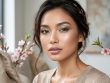
You reach for that pretty lavender shade in your palette, swipe it on, and look in the mirror. Something is off. Your eyes look tired, your skin looks sallow, and that dreamy spring color suddenly feels like a mistake. You are not alone. Pastel purples can be tricky for fair and light skin tones. The good news is that the problem is not you. It is just the technique. With a few simple adjustments, lavender can become one of your most flattering shades. Let us fix this together.
Lavender eyeshadow washes out fair to neutral skin when applied without contrast or a proper base. The fix is a warm transition shade, a bright inner corner highlight, and a precise liner. This article covers five specific techniques that turn lavender from a drab pastel into a fresh, radiant spring look that actually flatters your complexion.
Stop the Washout: Why Lavender Fails and How to Fix It
The main reason lavender falls flat on lighter skin is the lack of contrast. When you place a cool, muted pastel directly onto a fair lid, the colors blend together. Your eye area loses definition. The result is a flat, one-dimensional look that drains your face.
Think of lavender as a delicate fabric. It needs structure to shine. Without a solid foundation and some strategic framing, it will look like a faded stain rather than a deliberate color choice. The fix involves three core principles: warming up the base, adding depth, and framing the eye.
The Three Pillars of Flattering Lavender
- Warmth: Lavender is cool. Balance it with a warm, neutral shade in the crease or as a transition.
- Contrast: Add a deeper shade (taupe, charcoal, or a deeper plum) to the outer corner to create dimension.
- Brightness: A pop of light, shimmery color on the inner corner and brow bone wakes up the whole eye.
Step by Step: The Foolproof Lavender Eye
Follow this numbered process. It works for any lavender shade, from soft lilac to deeper violet tones.
- Prep the lid with a neutral base. Apply a thin layer of foundation or concealer to your eyelids, then set it with a translucent powder. This creates an even canvas. For extra insurance, pat on a cream eyeshadow in a warm beige or champagne tone. This step stops the lavender from looking chalky.
- Apply a warm transition shade in the crease. Use a soft, matte brown with warm undertones (think taupe or a light terracotta). Buff it into the crease and slightly above. This adds depth and stops the lavender from making your eyes look flat.
- Pat lavender onto the lid. Use a flat, synthetic brush. Apply the lavender from the lash line up to the crease, focusing the most pigment on the center of the lid. Do not drag the color. Pat it on for maximum payoff.
- Deepen the outer corner. Take a small, tapered brush and add a muted plum, charcoal, or a deeper violet to the outer V. Blend it inward just a little. This creates a gradient that adds structure.
- Highlight the inner corner and brow bone. Use a shimmery champagne, pearl, or soft gold shade. Apply it to the inner corner of the eye and just under the brow arch. This step instantly brightens the whole area and counters any sallowness.
The Technique Table: Do This, Not That
This table breaks down the common mistakes that wash you out and the simple swaps that save the look.
| The Mistake | Why It Fails | The Fix |
|---|---|---|
| Applying lavender straight onto bare skin | No contrast; color looks flat and ashy | Always use a neutral base or primer first |
| Skipping the crease shade | Eye area loses all dimension | Add a warm taupe or soft brown in the crease |
| Using a cool-toned blush with lavender | Too much cool tones makes skin look gray | Choose a peachy or soft rose blush instead |
| Lining the entire eye with black liner | Can look harsh and heavy | Try a brown or plum liner, or a thin black line only on the upper lash line |
| Forgetting the inner corner highlight | Eyes look tired and closed off | A bright shimmer in the inner corner opens up the eye |
The Perfect Liner Pairing
Liner can make or break a lavender eye. A thick, harsh black line on the lower lash line is too heavy. It fights with the softness of the pastel. Instead, try one of these options:
- Tightline the upper lashes only. Use a dark brown pencil. This defines the eye without a heavy line.
- Use a plum or charcoal liner. These colors complement lavender and add depth without looking jarring.
- Skip the lower lash line liner. Instead, take a tiny amount of the same warm crease shade and smudge it under the lower lashes. This adds definition without a harsh line.
Expert tip: If you have fair lashes, a brown or plum liner on the upper lash line creates the illusion of fuller lashes without the stark contrast of black. It keeps the whole look soft and harmonious.
Your Base Matters: Skin Prep for Lavender Success
Lavender eyeshadow draws attention to your skin. If your complexion looks uneven or sallow, the shadow will amplify that. A good base is your secret weapon.
The Skin Prep Checklist
- Even out your skin tone. A light coverage foundation or a tinted moisturizer creates a smooth canvas. If you struggle with redness or discoloration, check out our guide on how to apply foundation like a professional makeup artist for a flawless finish.
- Add warmth to your complexion. A peachy or soft coral blush on the apples of your cheeks counteracts any cool tones from the lavender. Avoid pink or mauve blushes here.
- Use a subtle bronzer. A light dusting of bronzer on the temples, cheekbones, and jawline adds a healthy warmth. This prevents your face from looking washed out overall.
Quick Lip and Cheek Pairings
- Lips: A soft rose, a peachy nude, or a sheer gloss. Avoid pale pink or nude with gray undertones.
- Cheeks: Peachy, coral, or warm terracotta. These shades bring life back to your face.
When to Wear Lavender (and When to Skip It)
Lavender is a spring classic, but it works for more than just Easter brunch. Here are a few perfect occasions for this look:
- Daytime events: Brunch with friends, a garden party, or a casual outdoor wedding.
- Work appropriate: Pair it with a matte finish and a brown liner for a polished, professional vibe.
- Date night: Add a touch of shimmer to the center of the lid and a soft wing for a romantic look.
Skip lavender on days when your skin looks particularly tired or when you have noticeable under-eye circles. In those cases, focus on brightening the under-eye area first. For more on that, read our guide on the right way to remove makeup without damaging your skin to keep your eye area healthy and bright.
Your Lavender Look Starts Now
Lavender eyeshadow does not have to be a source of frustration. The difference between looking washed out and looking radiant comes down to three things: a warm base, contrast, and the right liner. Start with a neutral lid, add a soft brown in the crease, and frame the eye with a brown or plum liner. A touch of shimmer in the inner corner seals the deal. Next time you see that lilac shade in your collection, you will know exactly how to make it work for you. Give it a try tomorrow morning. You might just find your new favorite spring look.