Your hair feels like straw. Split ends everywhere. The damage from bleaching, heat tools, and chemical treatments has finally caught up with you. The good news? You don’t need to spend hundreds at a salon to bring your hair back to life. Natural remedies sitting in your kitchen right now can start reversing the damage today.
Damaged hair can be repaired at home using natural ingredients like coconut oil, avocado, honey, and eggs. These DIY treatments restore moisture, strengthen protein bonds, and seal the cuticle without harsh chemicals. Consistency matters more than expensive products. Apply deep conditioning masks weekly, reduce heat styling, and protect your hair during sleep for visible results within four to six weeks.
Understanding what actually damages your hair
Heat styling strips moisture from every strand. Flat irons reach temperatures above 400°F, literally cooking the proteins that give hair its structure. Chemical treatments break down the bonds that hold hair together. Coloring, perming, and relaxing all alter the hair shaft at a molecular level.
Environmental factors add to the problem. Sun exposure degrades the outer cuticle layer. Chlorine from swimming pools penetrates the hair shaft and causes brittleness. Hard water deposits minerals that build up over time.
Your daily habits might be making things worse. Brushing wet hair when it’s most vulnerable causes breakage. Tight ponytails create tension that snaps strands. Even your cotton pillowcase creates friction that damages the cuticle while you sleep.
Natural ingredients that rebuild hair structure
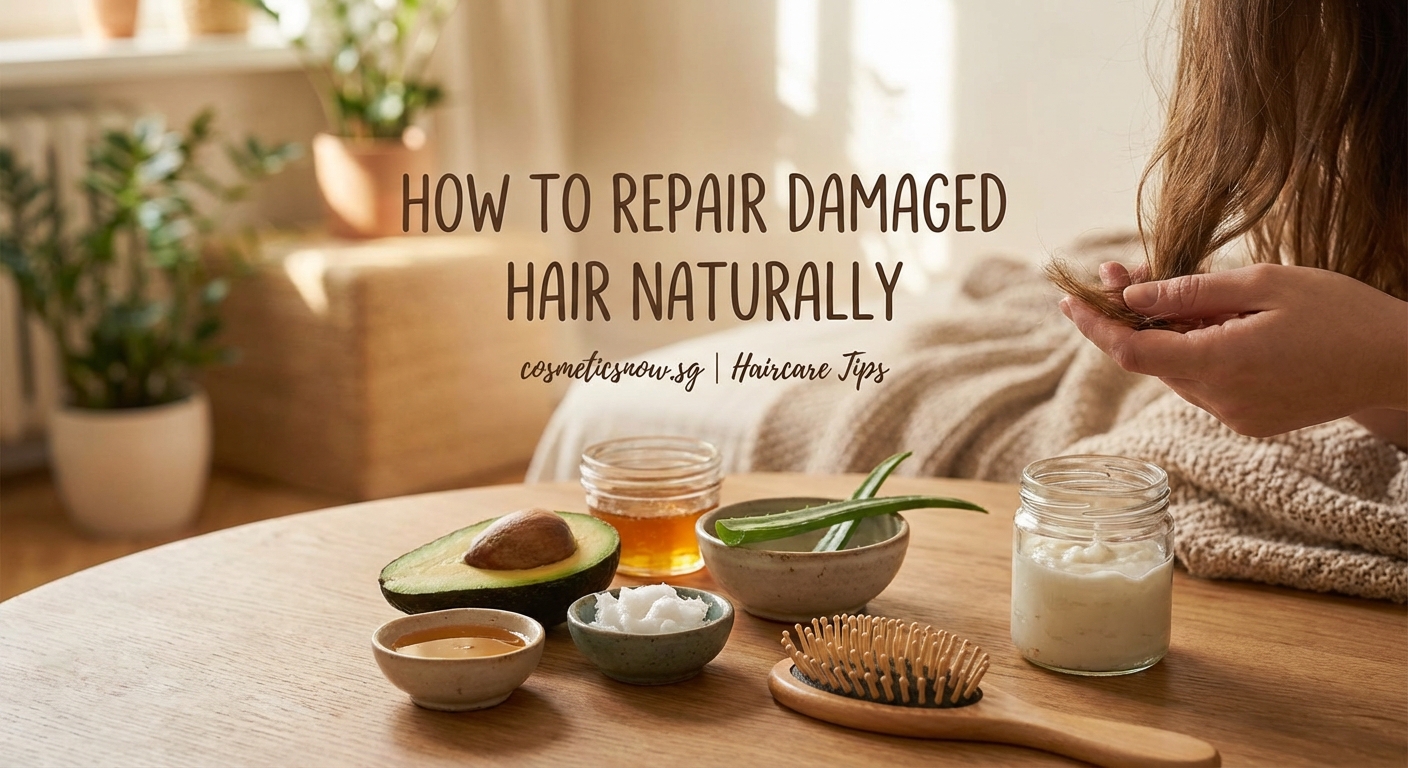
Coconut oil penetrates the hair shaft better than most commercial products. The molecular structure is small enough to get inside the cortex where damage happens. Apply it before shampooing to prevent protein loss during washing.
Avocado contains fatty acids that coat and protect each strand. The vitamins A, D, and E in avocado help repair the outer cuticle layer. Mash one ripe avocado and apply it to damp hair for 30 minutes.
Raw honey acts as a humectant, pulling moisture from the air into your hair. It also contains enzymes that strengthen the protein structure. Mix two tablespoons with your regular conditioner for an instant boost.
Eggs provide the exact proteins your hair needs to rebuild. The yolk contains fats and proteins while the white has enzymes that remove excess oils. Beat two whole eggs and apply them to clean, damp hair for 20 minutes.
Apple cider vinegar balances pH levels and closes the cuticle layer. This makes hair smoother and more reflective. Mix one part vinegar with three parts water and use it as a final rinse after conditioning.
Step by step deep conditioning treatment
This weekly treatment repairs damage from the inside out. You’ll need ingredients you probably already have.
- Mix three tablespoons of coconut oil with one mashed avocado and one egg yolk in a bowl.
- Apply the mixture to damp (not soaking wet) hair, starting from the mid-lengths to the ends.
- Wrap your hair in a warm towel to help the treatment penetrate deeper into the hair shaft.
- Leave it on for 45 minutes while the natural ingredients work their magic.
- Rinse with cool water first to remove the egg without cooking it, then shampoo gently.
- Follow with an apple cider vinegar rinse to seal the cuticle and lock in the treatment.
The warmth from the towel opens the cuticle slightly, allowing the oils and proteins to penetrate more effectively. Cool water at the end seals everything in place.
Daily habits that protect and restore
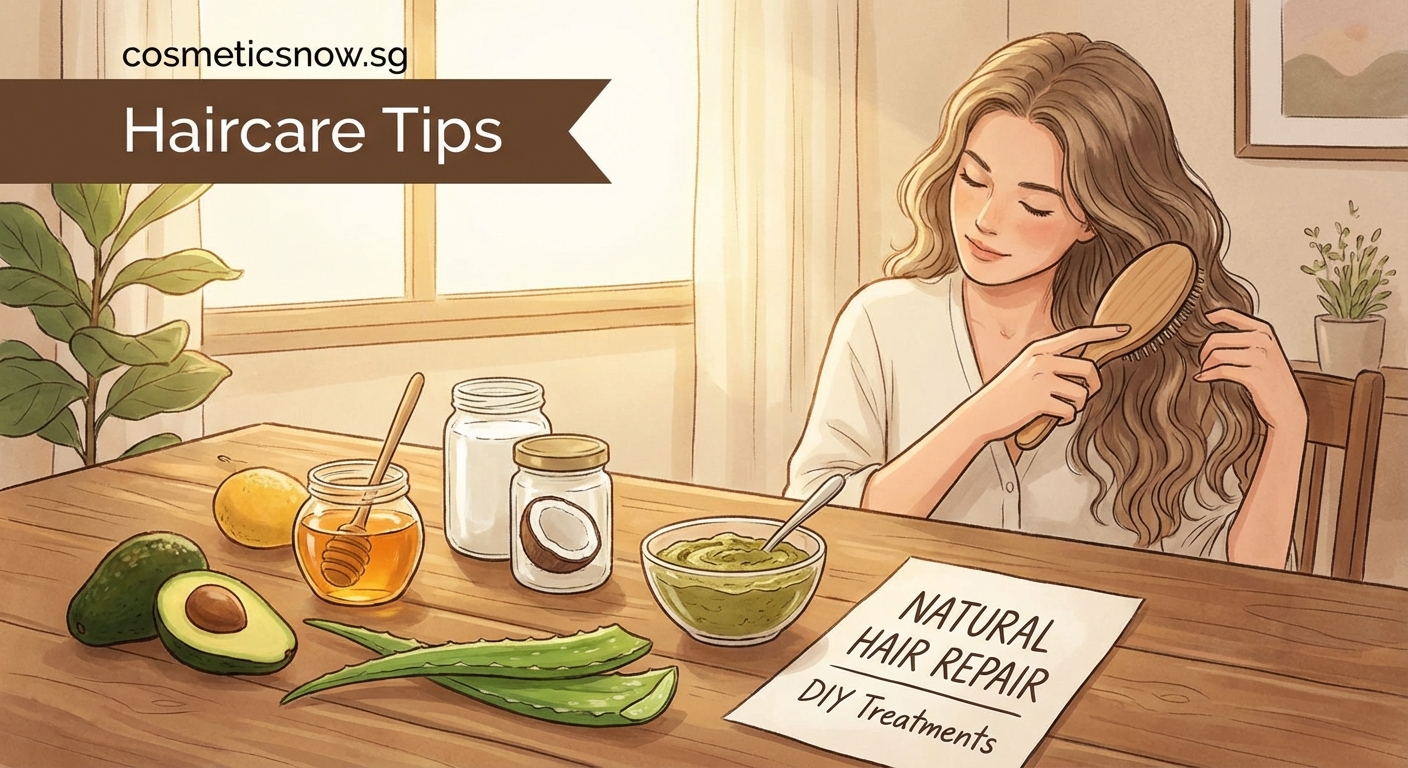
Stop using heat tools for at least two weeks. Your hair needs a break to start repairing itself. If you must use heat, apply a homemade heat protectant first. Mix two tablespoons of aloe vera gel with one tablespoon of coconut oil in a spray bottle.
Switch to a silk or satin pillowcase. These materials create less friction than cotton, preventing breakage while you sleep. You can also wrap your hair in a silk scarf before bed.
Brush your hair only when it’s dry or slightly damp. Start from the ends and work your way up to avoid pulling and snapping. Use a wide-tooth comb for detangling.
Trim your ends every six to eight weeks. Damaged ends won’t magically repair themselves, and split ends travel up the hair shaft if left alone. Regular trims prevent damage from spreading.
Protect your hair from the sun. UV rays break down the protein structure just like they damage skin. Wear a hat or apply a leave-in treatment with natural UV protection before going outside.
Kitchen ingredients that work as leave-in treatments
Aloe vera gel provides lightweight moisture without heaviness. Extract fresh gel from an aloe leaf or use pure bottled gel. Apply a small amount to the ends of damp hair.
Argan oil contains vitamin E and fatty acids that smooth the cuticle. You only need two or three drops for shoulder-length hair. Rub it between your palms and smooth it over the ends.
Shea butter seals in moisture and protects against environmental damage. Warm a small amount between your hands until it melts, then apply it to the driest areas.
Rosemary water stimulates the scalp and strengthens hair follicles. Boil fresh rosemary in water for 15 minutes, let it cool, and spray it on your roots. This also promotes healthier new growth.
What to avoid during the repair process
Hot water opens the cuticle and strips away natural oils. Wash your hair with lukewarm or cool water instead. The temperature shock might take getting used to, but your hair will thank you.
Sulfate shampoos remove too much of the natural sebum your scalp produces. Look for sulfate-free options or make your own gentle cleanser with castile soap and essential oils.
Tight hairstyles create tension that leads to breakage. Give your hair a break from ponytails, buns, and braids. Let it down whenever possible.
Over-washing removes the natural oils your hair produces to protect itself. Most people only need to shampoo two or three times per week. Your scalp will adjust after a few weeks and produce less oil.
Chemical treatments should wait until your hair has recovered. Adding more damage on top of existing damage only makes the problem worse. Give your hair at least three months to heal before considering any chemical processes.
Comparing natural remedies to salon treatments
| Natural Method | Salon Treatment | Cost Difference | Results Timeline |
|---|---|---|---|
| Coconut oil mask | Keratin treatment | $2 vs $200 | 4 weeks vs instant |
| Egg protein treatment | Professional deep conditioning | $1 vs $50 | 6 weeks vs 2 weeks |
| Apple cider vinegar rinse | Glossing treatment | $3 vs $75 | 3 weeks vs instant |
| Avocado mask | Olaplex treatment | $2 vs $150 | 5 weeks vs 2 weeks |
Natural methods take longer but cost a fraction of salon treatments. The results last just as long because you’re actually repairing the hair structure, not just coating it with temporary products.
Signs your hair is actually healing
New growth at the roots feels different from the damaged lengths. The texture is smoother and the hair feels stronger when you run it between your fingers.
Less breakage in your brush or on your pillow means the hair shaft is getting stronger. Count the strands you lose daily. You should notice a decrease within three weeks.
Increased shine happens when the cuticle layer lies flat instead of being raised and rough. Light reflects better off smooth surfaces.
Improved elasticity means your hair can stretch without breaking. Take a single strand and gently pull it. Healthy hair stretches about 30% before breaking. Damaged hair snaps immediately.
Reduced frizz indicates the cuticle is sealing properly. Frizz happens when the cuticle is raised and individual strands separate from each other.
“Hair damage doesn’t happen overnight, and neither does repair. Natural remedies work by gradually rebuilding the hair structure from the inside out. Consistency with treatments and protection from further damage are more important than the specific ingredients you choose.”
Creating a sustainable hair repair routine
Week one focuses on assessment and gentle cleansing. Take photos of your hair in natural light to track progress. Start using sulfate-free shampoo and reduce washing to every other day.
Week two introduces your first deep conditioning treatment. Apply the coconut oil, avocado, and egg mask described earlier. Notice how your hair feels immediately after and the next day.
Week three adds daily protective habits. Switch to your silk pillowcase. Start using homemade leave-in treatments on damp hair. Avoid all heat styling tools.
Week four continues the deep conditioning treatment. By now you should notice less breakage and slightly more shine. Your hair might feel softer to the touch.
Weeks five through eight maintain the routine while adding targeted treatments for problem areas. Focus extra moisture on the ends if they’re still dry. Apply protein treatments if your hair still feels weak.
Just like building a consistent skincare routine takes time and patience, repairing damaged hair naturally requires commitment to see real results.
Common mistakes that slow down progress
Expecting instant results leads to disappointment and giving up too soon. Natural remedies work gradually by actually repairing damage, not just masking it with silicones.
Using too much product weighs hair down and can cause buildup. Start with small amounts and add more only if needed. Less is usually more with natural ingredients.
Skipping the cool water rinse after treatments leaves the cuticle open and vulnerable. Always finish with cool water to seal in the benefits.
Continuing heat styling defeats the purpose of repair treatments. You can’t fix damage while simultaneously creating more. Choose one or the other.
Ignoring your diet impacts hair health from the inside. Protein, biotin, and omega-3 fatty acids support hair structure. Eat eggs, nuts, fish, and leafy greens regularly.
Preventing future damage while you repair
Heat protectant sprays create a barrier between your hair and styling tools. Make your own by mixing aloe vera gel with a few drops of argan oil in a spray bottle.
Regular protein treatments maintain strength as your hair grows. Use the egg mask once every two weeks even after your hair has recovered.
Protective styling reduces manipulation and breakage. Loose braids, low buns, and gentle clips keep hair secure without tension.
Satin-lined hats protect hair from sun and wind damage. Regular hats made of cotton or wool can cause friction and breakage.
Deep conditioning before swimming creates a barrier against chlorine. Wet your hair with clean water and apply coconut oil before entering the pool. The hair shaft absorbs the clean water and oil, leaving less room for chlorinated water.
Budget-friendly alternatives to expensive products
Store-bought deep conditioners cost $20 to $40 per jar. Your homemade version using coconut oil, avocado, and honey costs less than $3 per treatment.
Leave-in treatments retail for $15 to $30. Aloe vera gel and argan oil provide the same benefits for under $10, and the bottles last for months.
Heat protectant sprays run $12 to $25. Your DIY version with aloe and coconut oil costs about $5 and works just as well.
Silk pillowcases seem expensive at $30 to $50, but they last for years and protect both your hair and skin. The investment pays off in reduced damage and fewer skincare issues.
Adjusting treatments for different hair types
Fine hair needs lighter oils that won’t weigh it down. Use argan or jojoba oil instead of coconut oil. Apply treatments only to the ends, not the roots.
Thick, coarse hair can handle heavier treatments. Shea butter and coconut oil work well. Apply treatments from roots to ends for maximum benefit.
Curly hair requires extra moisture because the natural oils from your scalp have trouble traveling down the spiral shape. Focus on hydrating ingredients like aloe and honey.
Color-treated hair needs gentle protein treatments to rebuild bonds broken by chemicals. Use egg whites without the yolk for protein without added oils.
Measuring your progress accurately
Take photos in the same lighting every two weeks. Natural light near a window works best. Pull your hair back the same way each time for consistent comparison.
Keep a breakage journal. Count the hairs in your brush each morning. Track the numbers weekly to see improvement over time.
Test elasticity monthly. Wet a single strand and gently stretch it. Note how far it stretches before breaking. Healthy hair should stretch further as it heals.
Feel the texture regularly. Run a small section between your fingers. Notice changes in smoothness, strength, and flexibility.
When to seek professional help
Severe breakage that doesn’t improve after eight weeks might need professional assessment. A trichologist can examine your scalp and hair under magnification.
Hair loss beyond normal shedding could indicate underlying health issues. Losing more than 100 hairs per day warrants a doctor’s visit.
Chemical damage that has completely destroyed the hair structure might require cutting off the damaged portions. A stylist can recommend the minimum amount to remove while maintaining your desired length.
Scalp conditions like dermatitis or psoriasis need medical treatment. Natural remedies work for hair damage, not scalp diseases.
Bringing your hair back to life naturally
Your damaged hair doesn’t need expensive salon treatments to recover. The natural ingredients in your kitchen provide everything your hair needs to rebuild its structure, restore moisture, and regain strength. Start with one deep conditioning treatment this week. Notice how your hair feels. Commit to protecting it from further damage while the repair process happens. In a month, you’ll see real improvement. In three months, your hair will feel like a completely different texture. The money you save can go toward other aspects of your beauty routine that matter to you. Your hair is capable of healing itself when you give it the right tools and enough time.