The beauty industry loves slapping “clean” labels on everything these days. But walk into any store, and you’ll find yourself drowning in vague promises and misleading marketing. Some brands genuinely care about your health and the planet. Others just want your money.
Clean beauty brands prioritize non-toxic ingredients, transparent sourcing, and sustainable packaging. Look for third-party certifications like EWG Verified, Leaping Bunny, and B Corp. Real clean brands disclose full ingredient lists, avoid synthetic fragrances, and invest in refillable or recyclable packaging. Carbon-neutral shipping and ethical labor practices separate authentic companies from greenwashing imposters. Build your routine around brands that prove their claims with actions, not just marketing copy.
What actually makes a beauty brand clean
Clean beauty means different things to different people. Some focus on ingredient safety. Others care more about environmental impact.
The most trustworthy definition includes both. A clean brand avoids harmful chemicals while minimizing ecological damage throughout production and shipping.
Here’s what to look for:
- No parabens, phthalates, or synthetic fragrances
- Transparent ingredient sourcing
- Cruelty-free testing practices
- Sustainable packaging materials
- Carbon-neutral or reduced shipping methods
- Fair labor practices throughout the supply chain
Third-party certifications matter more than brand promises. Anyone can claim to be clean. Certifications require proof.
How to spot greenwashing in beauty marketing
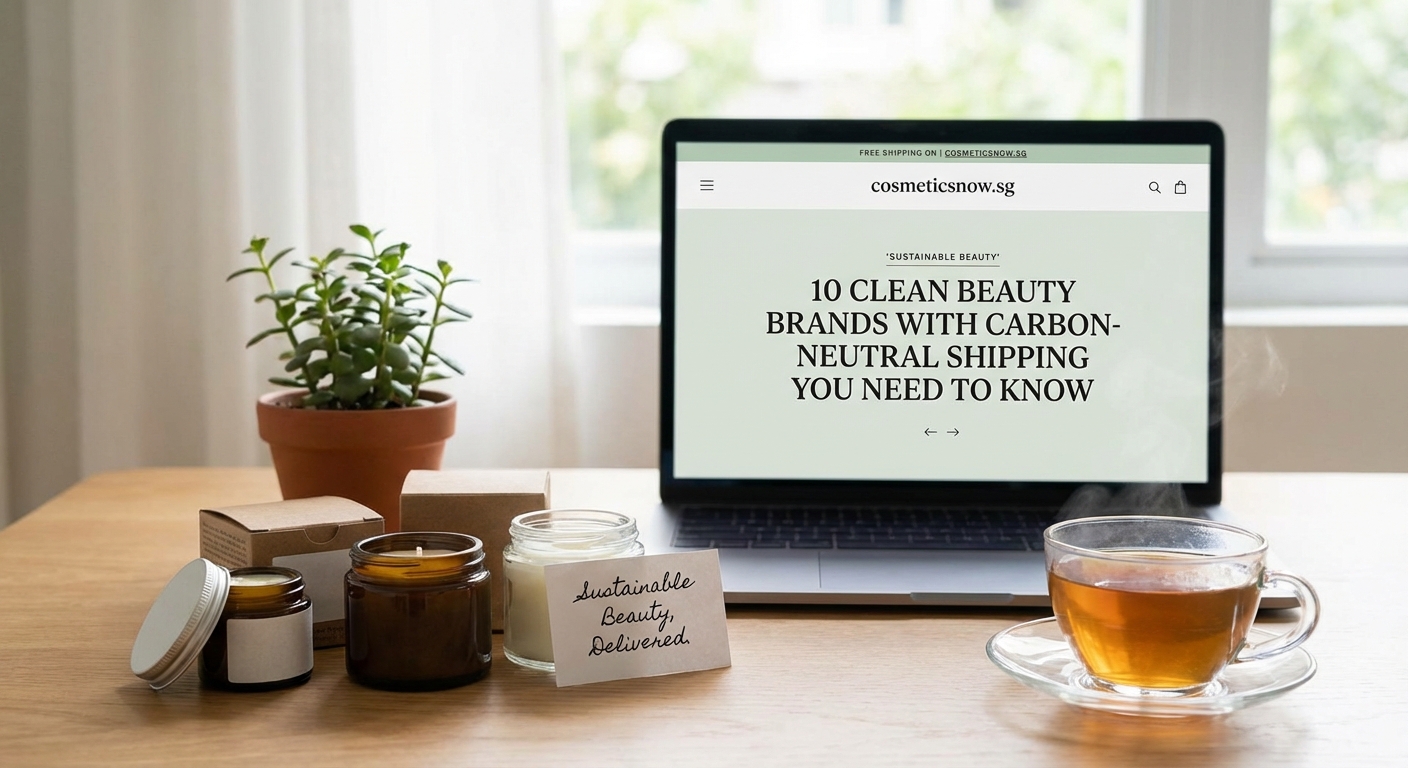
Brands know you care about sustainability. They also know most shoppers won’t fact-check their claims.
Watch for these red flags:
Vague language without specifics. Phrases like “eco-friendly” or “natural” mean nothing without details. What percentage of ingredients are natural? Which ones? Where do they come from?
Pretty packaging that hides ugly truths. Green labels and leaf graphics don’t equal sustainability. Check if that beautiful glass bottle comes with a plastic pump you can’t recycle.
One good deed covering many bad ones. A brand might plant trees while using palm oil from deforested land. Or tout recyclable packaging while shipping products wrapped in plastic bubble wrap.
Missing certifications. If a brand truly meets clean standards, they’ll get certified. Certifications cost money and require audits. Brands skip them when they can’t pass.
“The best way to avoid greenwashing is to research certifications independently. Don’t trust a brand’s website alone. Look up the certification body and verify their standards match your values.” – Environmental Working Group
Learning to decode greenwashing in beauty product marketing takes practice but saves you from wasting money on false promises.
Building your clean beauty routine from scratch
Starting fresh feels overwhelming. You don’t need to replace everything at once.
Follow this process:
-
Start with products that touch your skin longest. Moisturizers, serums, and night creams sit on your face for hours. Switch these first.
-
Replace items as they run out. Throwing away half-full bottles wastes product and money. Finish what you have unless it causes reactions.
-
Research before buying. Read ingredient lists. Check certifications. Look for independent reviews from people with your skin type.
-
Test one product at a time. Your skin needs time to adjust. Adding five new products at once makes it impossible to identify what works or causes problems.
-
Keep a product journal. Note what you tried, when you started, and how your skin responded. This helps you spot patterns and avoid repeating mistakes.
When you’re ready to build the perfect morning skincare routine in 5 simple steps, prioritize clean brands for each layer.
Key certifications that prove clean beauty claims
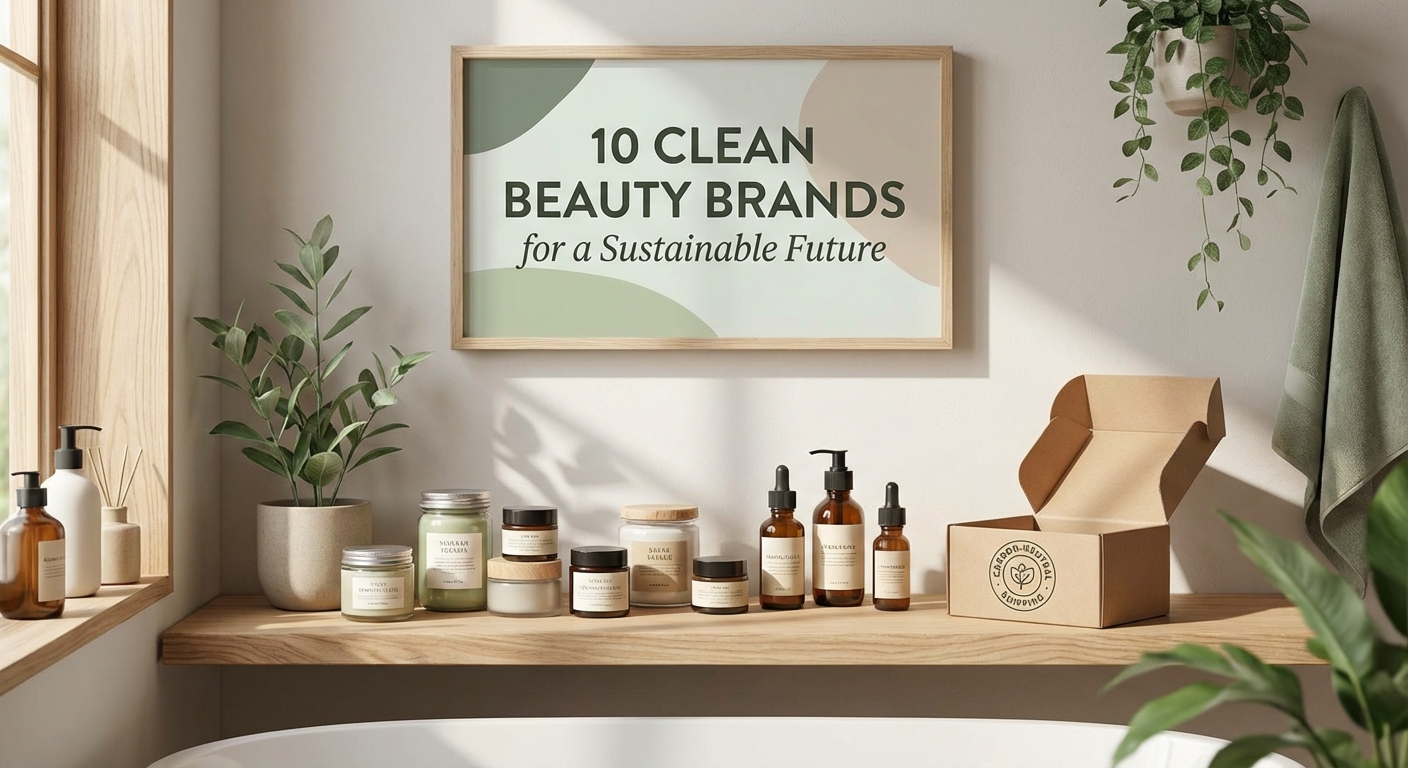
Certifications separate real clean brands from pretenders. Here are the ones that matter:
| Certification | What It Means | What It Doesn’t Cover |
|---|---|---|
| EWG Verified | No harmful ingredients per Environmental Working Group standards | Doesn’t verify sustainability claims |
| Leaping Bunny | Cruelty-free throughout supply chain | Doesn’t address ingredient safety |
| B Corp | Meets social and environmental standards | Doesn’t guarantee clean ingredients |
| USDA Organic | 95% organic ingredients minimum | Allows some synthetic preservatives |
| Ecocert | Natural and organic cosmetics standards | Less strict than some European certifications |
| Made Safe | Free from known toxic chemicals | Newer certification with less recognition |
Multiple certifications show a brand takes different aspects of clean beauty seriously. One certification is good. Three or four is better.
Some excellent brands can’t afford certification costs. Small businesses especially struggle with fees. In these cases, look for:
- Complete ingredient transparency
- Founder background in health or sustainability
- Third-party lab testing results
- Detailed sourcing information
- Active engagement with customer questions
Top ingredients to avoid in your beauty products
Clean brands skip certain ingredients entirely. Memorize this list:
Parabens preserve products but disrupt hormones. Look for methylparaben, propylparaben, and butylparaben on labels.
Phthalates make fragrances last longer. They’re linked to reproductive issues. Often hidden under “fragrance” or “parfum.”
Formaldehyde releasers prevent bacterial growth. They include DMDM hydantoin, diazolidinyl urea, and quaternium-15. These release small amounts of formaldehyde over time.
Synthetic fragrances can contain hundreds of undisclosed chemicals. Even “unscented” products may use fragrance to mask chemical smells.
Sulfates create foam in cleansers. SLS and SLES strip natural oils and can irritate sensitive skin.
Mineral oil and petrolatum come from petroleum. They coat skin rather than nourishing it.
Talc may contain asbestos. It appears in powders and dry shampoos.
Triclosan fights bacteria but contributes to antibiotic resistance. Banned in hand soaps but still allowed in cosmetics.
Clean brands replace these with plant-based preservatives, essential oils, and naturally derived alternatives. The products work just as well without the health risks.
Carbon-neutral shipping explained
Shipping products creates emissions. Planes, trucks, and ships burn fuel. Packaging requires energy to produce.
Carbon-neutral shipping means a company offsets these emissions. They calculate the carbon footprint of each shipment, then invest in projects that remove or prevent equivalent emissions.
Common offset projects include:
- Reforestation programs
- Renewable energy development
- Methane capture from landfills
- Ocean plastic removal initiatives
The catch: Not all offset programs deliver real impact. Some plant trees that die within months. Others fund projects that would have happened anyway.
Look for brands that:
- Use verified offset programs like Gold Standard or Verified Carbon Standard
- Reduce emissions first, offset second
- Show specific project details and results
- Audit their carbon calculations independently
The best approach combines reduced packaging, efficient shipping routes, and high-quality offsets. Brands serious about carbon neutrality publish annual sustainability reports with specific metrics.
Sustainable packaging innovations worth supporting
Packaging waste fills landfills and oceans. Clean beauty brands pioneer solutions.
Glass bottles with refill programs let you keep the pretty container and just replace the product. Some brands offer discounts when you return empties for refilling.
Aluminum containers recycle infinitely without losing quality. They’re lighter than glass, reducing shipping emissions.
Compostable tubes made from sugarcane or bamboo break down in industrial composting facilities. Check if your area offers this service.
Solid beauty bars eliminate packaging almost entirely. Shampoo bars, cleansing bars, and moisturizer bars work as well as liquid versions.
Mushroom packaging uses mycelium instead of styrofoam. It protects products during shipping then composts in your backyard.
If you’re curious about why solid beauty bars are replacing your plastic bottles, the environmental math is compelling.
The packaging matters as much as what’s inside. A clean product in wasteful packaging isn’t truly clean.
Price versus value in clean beauty
Clean products cost more. That’s reality.
Higher prices reflect:
- Better ingredients that cost more to source
- Smaller production batches
- Fair wages throughout the supply chain
- Sustainable packaging materials
- Certification fees
- Carbon offset investments
But expensive doesn’t automatically mean clean. Plenty of overpriced products contain the same cheap ingredients as drugstore brands.
Calculate true value by:
Price per use, not per bottle. A concentrated serum lasting six months beats a cheap one you finish in four weeks.
Ingredient quality. Compare active ingredient percentages. A product with 10% vitamin C costs more than one with 2%, but delivers better results.
Multi-use products. A tinted moisturizer with SPF replaces three separate products. Higher upfront cost, lower total spending.
Health costs avoided. Preventing skin damage costs less than treating it later. Clean products may reduce dermatologist visits and prescription treatments.
Start with affordable clean brands for basic products. Invest more in treatments and serums where ingredient quality makes the biggest difference.
Clean makeup that performs like conventional brands
Clean makeup used to mean compromising on performance. Not anymore.
Modern formulas match conventional makeup in:
- Color payoff and pigmentation
- Staying power throughout the day
- Blendability and texture
- Shade range for diverse skin tones
The key difference is what they skip. Clean makeup avoids:
- Synthetic dyes
- Silicones that clog pores
- Talc and mica from questionable sources
- Heavy metals in pigments
- Nano-particles in mineral sunscreens
Instead, clean brands use plant-based pigments, mineral colorants, and innovative natural polymers.
When you’re learning how to apply foundation like a professional makeup artist, clean formulas work with the same techniques. The application doesn’t change.
Test products before committing. Many clean makeup brands offer sample sizes or return policies. Your skin deserves products that look good and feel good.
How to transition without breaking the bank
Switching to clean beauty doesn’t require a trust fund. Smart strategies make it affordable.
Replace in order of importance:
- Products you use daily
- Leave-on products (moisturizers, serums)
- Rinse-off products (cleansers, masks)
- Makeup
- Hair products
Shop sales strategically. Clean brands offer discounts during:
- Earth Day promotions
- Black Friday sales
- Birthday month rewards
- End-of-season clearances
Join loyalty programs. Points add up to free products. Some programs offer early access to sales and exclusive discounts.
Try subscription boxes. Clean beauty boxes let you sample multiple brands for less than buying full sizes. Cancel after a few months once you find favorites.
Make some products yourself. Simple items like rose water toner cost pennies to make at home.
Buy multi-use products. A good facial oil works as moisturizer, makeup remover, and hair treatment. One bottle replaces three.
Consider how to transition to a sustainable beauty routine in 30 days without breaking the bank for a complete month-by-month plan.
Reading labels like a pro
Ingredient lists tell the truth marketing copy hides. Learn to decode them.
Ingredients appear in order by weight. The first five ingredients make up most of the product. If water is first and your “active ingredient” is last, you’re buying expensive water.
“Fragrance” or “parfum” hides hundreds of chemicals. Companies don’t have to disclose what’s in their fragrance blends. This loophole lets them sneak in allergens and hormone disruptors.
Natural doesn’t mean safe. Poison ivy is natural. So is arsenic. Natural ingredients can still cause reactions or contain contaminants.
Synthetic doesn’t automatically mean harmful. Some synthetic preservatives are safer than natural alternatives. Synthetic vitamin C is identical to natural vitamin C at the molecular level.
Concentration matters. Hyaluronic acid at 0.1% does almost nothing. At 2%, it transforms skin. The ingredient list doesn’t show percentages, but order gives clues.
Botanical names sound scary. Tocopherol is vitamin E. Ascorbic acid is vitamin C. Sodium chloride is salt. Learn common botanical names for ingredients you want.
Download apps like Think Dirty or EWG’s Skin Deep. Scan product barcodes to see ingredient safety ratings. These tools explain what each chemical does and flag potential concerns.
Common mistakes when going clean
Even well-intentioned shoppers make these errors:
Switching everything at once. Your skin freaks out. You can’t tell which product caused the reaction. Transition gradually.
Assuming expensive means clean. Luxury brands charge for packaging and marketing, not always better ingredients. Always check labels.
Believing “chemical-free” claims. Everything is chemicals. Water is a chemical. This phrase is marketing nonsense designed to scare you.
Ignoring expiration dates. Natural preservatives work for shorter periods. Clean products often expire faster than conventional ones. Mark opening dates on bottles.
Expecting instant results. Skin cell turnover takes 28 days minimum. Give products at least a month before judging effectiveness.
Throwing away conventional products. Use them up or donate unopened items. Waste isn’t sustainable, even if the products aren’t perfect.
Trusting influencer recommendations blindly. Many influencers get paid to promote products. Look for honest reviews from people with similar skin concerns.
Forgetting about the rest of your routine. Clean face products don’t help if you’re using toxic nail polish or conventional hair dye. Consider your whole beauty routine eventually.
Supporting truly ethical clean beauty brands
Ethics extend beyond ingredients and packaging. The best brands treat people right too.
Look for companies that:
Pay fair wages to all workers. This includes farmers growing ingredients, factory workers, and retail staff. B Corp certification verifies fair labor practices.
Source ingredients responsibly. Fair trade certifications ensure farmers receive fair prices. Sustainable harvesting protects ecosystems.
Support local communities. Some brands partner with indigenous communities, paying them for traditional ingredient knowledge and ensuring sustainable harvesting.
Maintain transparent supply chains. Brands should know where every ingredient comes from and how workers are treated at each step.
Give back meaningfully. Look beyond token donations. The best brands integrate giving into their business model, not just their marketing.
Amplify diverse voices. Beauty standards have excluded too many people for too long. Support brands founded by and marketing to diverse communities.
Small brands often lead on ethics. They know their suppliers personally and can verify conditions. Large brands have more resources for audits and certifications but may have more complex supply chains to monitor.
Research before buying. Check brand websites for sustainability reports, certifications, and specific details about their practices. Vague statements mean nothing. Numbers and names mean everything.
Your clean beauty journey starts with one choice
Perfection isn’t the goal. Progress is.
You don’t need to master every certification, memorize every harmful ingredient, or only buy from the most sustainable brands. Start with one product. Read one label. Ask one question.
Each choice you make sends a message to the beauty industry. When you buy clean, brands notice. When you demand transparency, companies respond. When you refuse to settle for greenwashing, the market shifts.
Your skin deserves products that nourish without harm. The planet deserves companies that take responsibility for their impact. You deserve brands that respect your intelligence enough to tell the truth.
Pick one product to replace this month. Research it thoroughly. Choose wisely. Then build from there, one clean choice at a time.