You’ve been scrolling through Instagram, seeing all those gorgeous glass bottles and bamboo packaging, wondering if you could ever afford to make your beauty routine more sustainable. The truth is, you don’t need to replace everything overnight or spend your entire paycheck at a specialty store. Building a sustainable beauty routine is about making smart swaps gradually, and it’s way more budget-friendly than you think.
Transitioning to a sustainable beauty routine doesn’t require buying all new products at once. Focus on using what you have first, then replace items as they run out with eco-friendly alternatives. Prioritize multi-use products, refillable options, and brands with transparent ingredient lists. Simple swaps like reusable cotton rounds and bar cleansers can reduce waste significantly while actually saving money over time.
Understanding What Makes Beauty Sustainable
Sustainable beauty goes beyond just slapping a green leaf on the packaging. It means products that minimize environmental impact from ingredient sourcing through production, packaging, and disposal.
Look for brands that use renewable ingredients, ethical sourcing practices, and minimal packaging. But here’s what matters most: sustainability also means buying less stuff overall.
The beauty industry generates over 120 billion units of packaging annually. Most of it isn’t recyclable because of mixed materials and tiny components. Your goal isn’t perfection. It’s progress.
Start by understanding these key markers:
- Ingredients that biodegrade naturally
- Packaging made from recycled or recyclable materials
- Refillable containers that reduce waste
- Waterless formulas that conserve resources
- Cruelty-free and vegan certifications
Many brands practice greenwashing, using vague terms like “natural” or “clean” without real substance. Learning to decode greenwashing in beauty product marketing helps you spot authentic sustainable brands versus marketing hype.
Week One: Audit What You Already Own
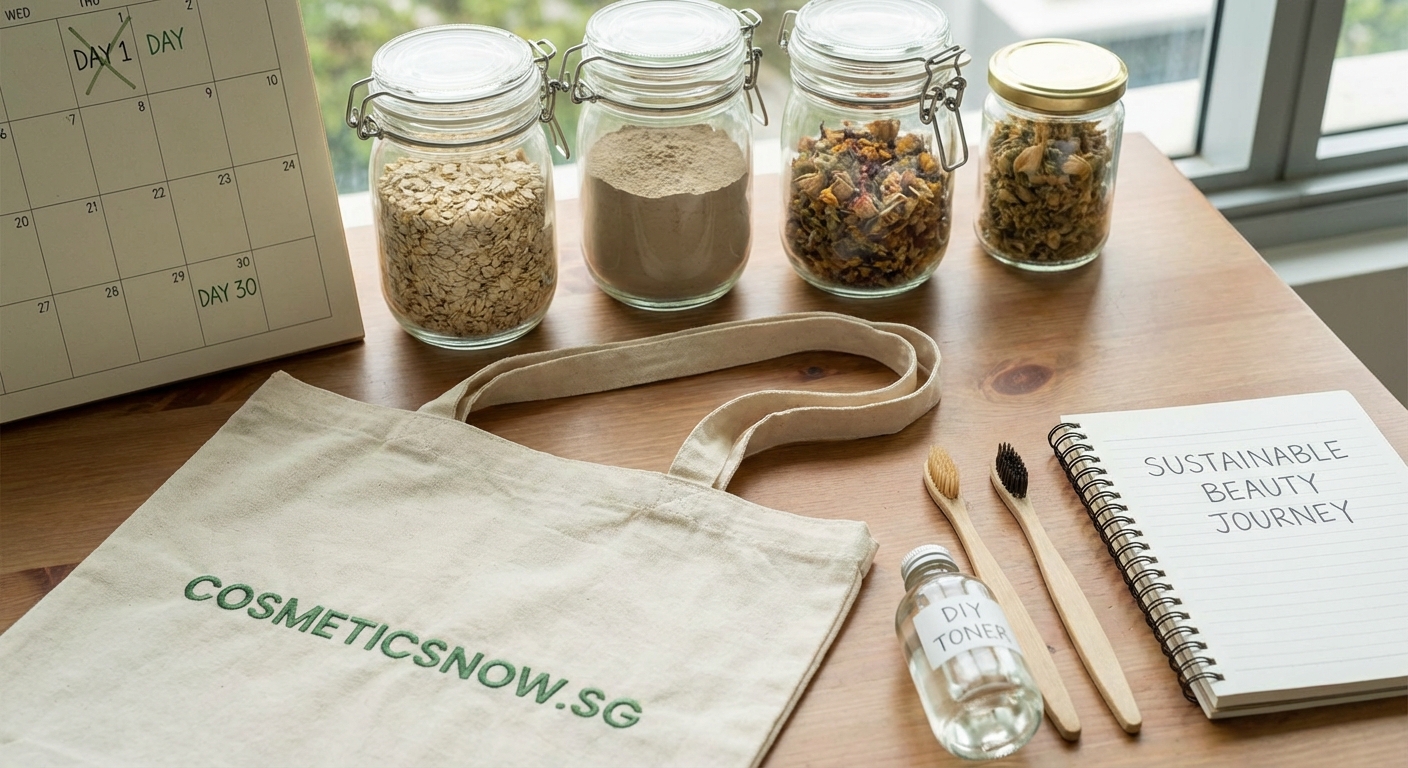
Before buying anything new, take inventory of your current products. This step alone prevents waste and saves money.
Pull everything out of your bathroom cabinets and drawers. Check expiration dates. Most products have a small jar symbol with a number indicating months of use after opening.
Create three piles:
- Products you love and use regularly
- Products that are expired or you never use
- Products you’re unsure about
For pile two, check if your local beauty recycling program accepts them. Many stores now offer take-back programs. The ultimate guide to recycling your empty beauty products the right way shows you exactly where to send different types of packaging.
For pile three, give each product one week to prove itself. If you don’t reach for it naturally, it goes.
This process reveals your actual needs versus what marketing convinced you to buy. Most people discover they own multiple products that do the same thing.
Week Two: Start With Simple Swaps
You don’t need to replace everything. Start with items you use daily and that run out frequently.
Here are the easiest wins:
Makeup Remover
Switch disposable wipes for reusable cotton rounds or a cleansing balm. One tin of cleansing balm lasts months and removes makeup better than wipes. Plus, those wipes don’t biodegrade and clog water systems.
Face Cleanser
Bar cleansers use less water in production and require minimal packaging. They last longer than liquid versions too. Why solid beauty bars are replacing your plastic bottles explains which formulas actually work for different skin types.
Cotton Rounds
Buy a set of reusable cotton rounds once. Wash them with your towels. You’ll never buy disposable ones again. This single swap saves about 1,500 cotton rounds per year.
Shampoo and Conditioner
Solid bars eliminate plastic bottles entirely. Quality matters here, so read reviews before buying. Look for bars specific to your hair type.
These four swaps cost less than $60 total and eliminate hundreds of single-use items annually.
Week Three: Rethink Your Skincare Routine
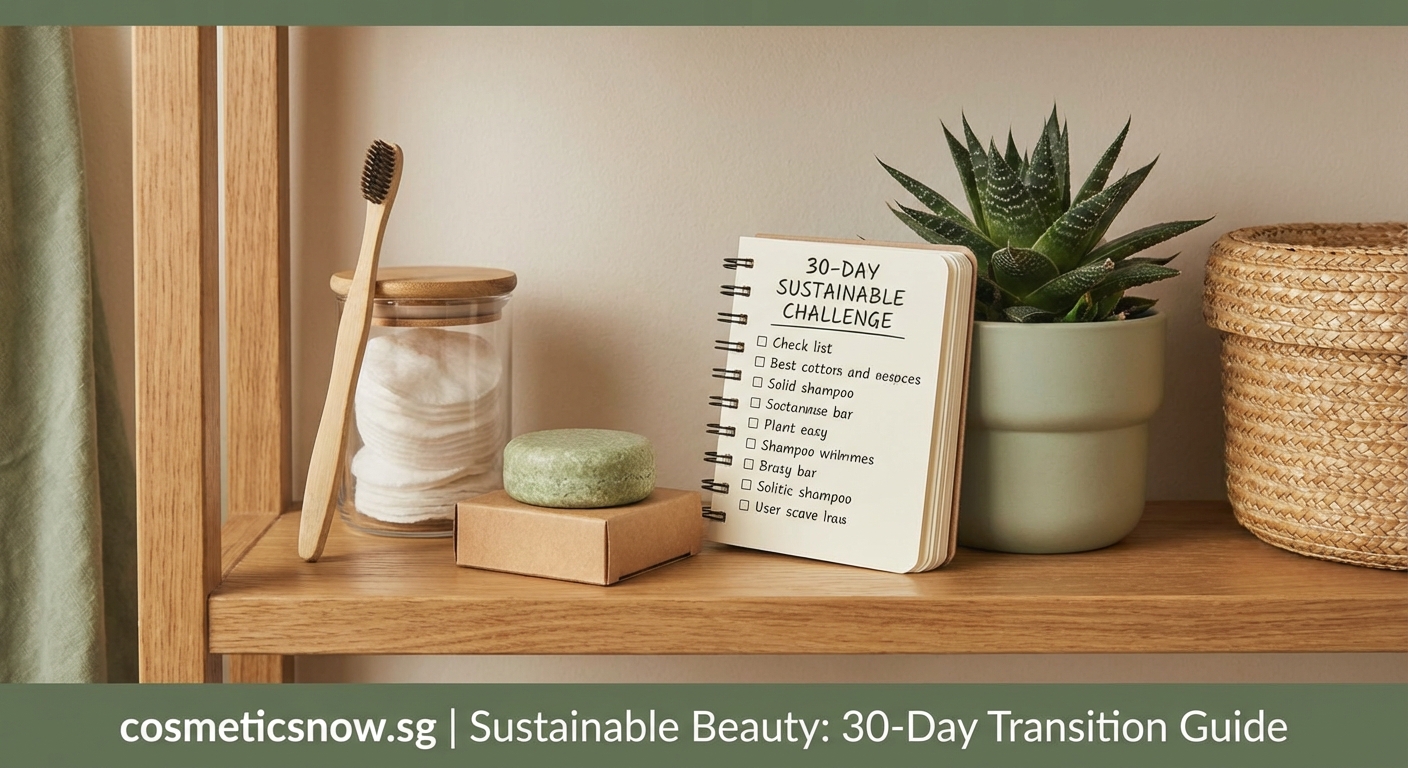
Your skin doesn’t need 10 products. It needs the right products used consistently.
Building your first skincare routine should focus on these essentials: cleanser, moisturizer, and sunscreen. Everything else is optional.
Multi-use products reduce both waste and cost. Look for:
- Moisturizers with SPF for daytime
- Tinted moisturizers instead of separate foundation and moisturizer
- Lip and cheek tints that work for both areas
- Face oils that double as hair treatments
Many sustainable brands offer concentrated serums you mix with water at home. These reduce shipping weight and packaging while lasting longer.
Consider making some products yourself. Natural face mask recipes using ingredients already in your kitchen give you fresh, waste-free treatments without buying anything new.
“The most sustainable product is the one you already own. Use what you have completely before replacing it with something ‘greener.’ That half-used moisturizer in your drawer is more sustainable than buying a new eco-friendly version.” – Environmental skincare consultant
Week Four: Tackle Your Makeup Collection
Makeup presents unique challenges because formulas matter for performance. You can’t just swap anything for anything.
Focus on packaging and longevity first:
Foundation and Concealer
Look for brands offering refillable compacts. You buy the container once, then purchase refill pods. This cuts packaging by 70% and often costs less long-term. How to apply foundation like a professional makeup artist works with sustainable products just as well as conventional ones.
Lipstick and Lip Gloss
Refillable lipsticks are becoming mainstream. Several luxury and indie brands now offer gorgeous shades in refillable cases.
Eyeshadow and Blush
Pressed powder palettes with recyclable packaging beat single-use plastic compacts. Better yet, find brands using sustainable materials like bamboo or recycled ocean plastic for palette cases.
Mascara
This one’s tricky because mascara expires every three months for eye safety. Look for brands using recycled plastic tubes or take-back programs where you mail empties back for recycling.
Makeup Brushes
Invest in quality brushes with sustainably sourced handles and synthetic bristles. They last years with proper care. Wash them weekly to extend their life.
Making Sustainable Choices That Actually Fit Your Budget
The biggest myth about sustainable beauty is that it’s always expensive. Sometimes it costs more upfront but saves money over time.
Here’s a realistic budget breakdown:
| Product Type | Conventional Cost/Year | Sustainable Cost/Year | Savings |
|---|---|---|---|
| Cotton rounds | $36 | $25 (one-time) | $11+ annually after year one |
| Face cleanser | $48 | $40 | $8 |
| Shampoo/conditioner | $72 | $60 | $12 |
| Makeup remover | $60 | $30 | $30 |
| Body lotion | $40 | $35 | $5 |
The first year costs about the same. Every year after, you save because reusable items don’t need replacing.
Shop strategically:
- Wait for sales at sustainable brands
- Buy refills in bulk when possible
- Choose concentrated formulas you dilute at home
- Join loyalty programs for points and discounts
- Split large orders with friends to meet free shipping minimums
Many sustainable brands offer better value because their products are more concentrated. A $30 serum that lasts six months beats a $15 serum you replace monthly.
Common Mistakes That Waste Money and Resources
Avoid these pitfalls that derail sustainable beauty transitions:
Throwing Out Everything at Once
Using up existing products is more sustainable than tossing them. Even if they’re not eco-friendly, the environmental cost of producing them already happened.
Buying “Sustainable” Versions of Products You Don’t Need
That bamboo mascara organizer might be sustainable, but if you don’t need it, it’s still waste.
Falling for Greenwashing
Terms like “natural,” “clean,” and “eco-friendly” aren’t regulated. Look for specific certifications: Leaping Bunny, B Corp, EWG Verified, or USDA Organic.
Ignoring Local Options
Ordering sustainable products from overseas sometimes creates more emissions than buying conventional products locally. Check for regional brands first.
Expecting Identical Performance Immediately
Some sustainable formulas work differently. Give products two weeks before deciding they don’t work. Your skin and hair need time to adjust.
Building a Zero-Waste Makeup Routine
True zero waste is nearly impossible, but you can get close. Building a zero-waste makeup routine without sacrificing quality requires planning but delivers stunning results.
Start by identifying your non-negotiables. Maybe you can’t find a sustainable mascara you love yet. That’s fine. Focus on areas where good options exist.
Refillable and reusable options to prioritize:
- Magnetic palettes where you insert individual pans
- Refillable lipstick and lip gloss cases
- Powder products in metal tins instead of plastic compacts
- Cream products in glass jars
- Makeup bags made from recycled materials
Luxury sustainable makeup brands prove you don’t sacrifice quality for sustainability. Many perform better than conventional alternatives because they use higher-quality ingredients.
Seasonal Adjustments to Your Sustainable Routine
Your skin’s needs change with weather. Sustainable beauty adapts naturally because you’re using fewer, more versatile products.
Transitioning your makeup routine from summer to fall doesn’t require all new products. Adjust application techniques and layer products differently.
Summer sustainable swaps:
- Lighter moisturizers or face mists
- Mineral sunscreens in recyclable tubes
- Waterless cleansing balms for travel
- Multi-use tints for cheeks and lips
Winter sustainable swaps:
- Richer face oils instead of heavy creams
- Overnight treatments in glass jars
- Lip balms in compostable tubes
- Body bars instead of bottled lotions
One versatile product used different ways beats buying separate summer and winter versions.
Maintaining Your New Routine Long-Term
The 30-day transition is just the beginning. Sustainable beauty becomes easier as you develop new habits.
Create systems that stick:
Set Reminders
Note when products will run out so you can research replacements before you need them. Panic buying leads to unsustainable choices.
Keep a Running List
Track products you want to try. Research them thoroughly before buying. Read reviews from people with similar skin types and concerns.
Join Communities
Online groups focused on sustainable beauty share product recommendations, sales alerts, and honest reviews. You’ll learn which products actually work.
Track Your Progress
Take photos of your routine now and in six months. Seeing the reduction in plastic bottles and packaging waste motivates continued effort.
Forgive Imperfection
Some products won’t have sustainable alternatives yet. Do your best and don’t stress about achieving 100% sustainability immediately.
Remember that building the perfect morning skincare routine takes time whether products are sustainable or not. Focus on consistency over perfection.
Your Beauty Routine, Your Planet
Thirty days gives you a solid foundation for sustainable beauty choices. You’ve learned to assess what you actually need, make smart swaps that fit your budget, and avoid marketing traps that waste money and resources.
The products sitting on your bathroom counter now probably look different than they did a month ago. Maybe there are fewer bottles. Perhaps you’re using a cleansing bar instead of bottled face wash. Those reusable cotton rounds might be sitting in a small basket, ready for their next wash cycle.
These changes ripple outward. Every sustainable swap you make influences friends and family who notice your routine. Every purchase sends a message to beauty brands about what consumers value. Every piece of packaging you don’t throw away is one less item in a landfill.
Start where you are. Use what you have. Make better choices as products run out. Your sustainable beauty routine will evolve naturally, saving money and reducing waste without overwhelming your schedule or budget. That’s the real beauty of this approach.