Your foundation looks flawless in January but melts off by July. Your lipstick feels perfect in spring but cracks by December. Sound familiar? The weather doesn’t just change your wardrobe. It transforms your skin’s needs, and your makeup routine needs to keep up.
Adapting your makeup routine to match seasonal changes prevents common issues like melting, caking, and dryness. Each season demands specific formulas, application techniques, and product swaps. Winter requires heavier moisturizers and cream products, spring calls for lighter coverage, summer needs waterproof formulas and oil control, while fall bridges the gap with hybrid products that prep skin for colder months ahead.
Why seasonal makeup adjustments actually matter
Your skin behaves differently throughout the year. Humidity levels shift. Temperature changes affect oil production. Indoor heating dries everything out.
Using the same products year round means fighting against these natural changes instead of working with them.
Summer humidity makes your skin produce more oil. Winter heating strips moisture away. Spring allergies can cause puffiness. Fall transitions confuse your skin’s balance.
Each season presents unique challenges that require specific solutions.
Understanding your skin’s seasonal shifts
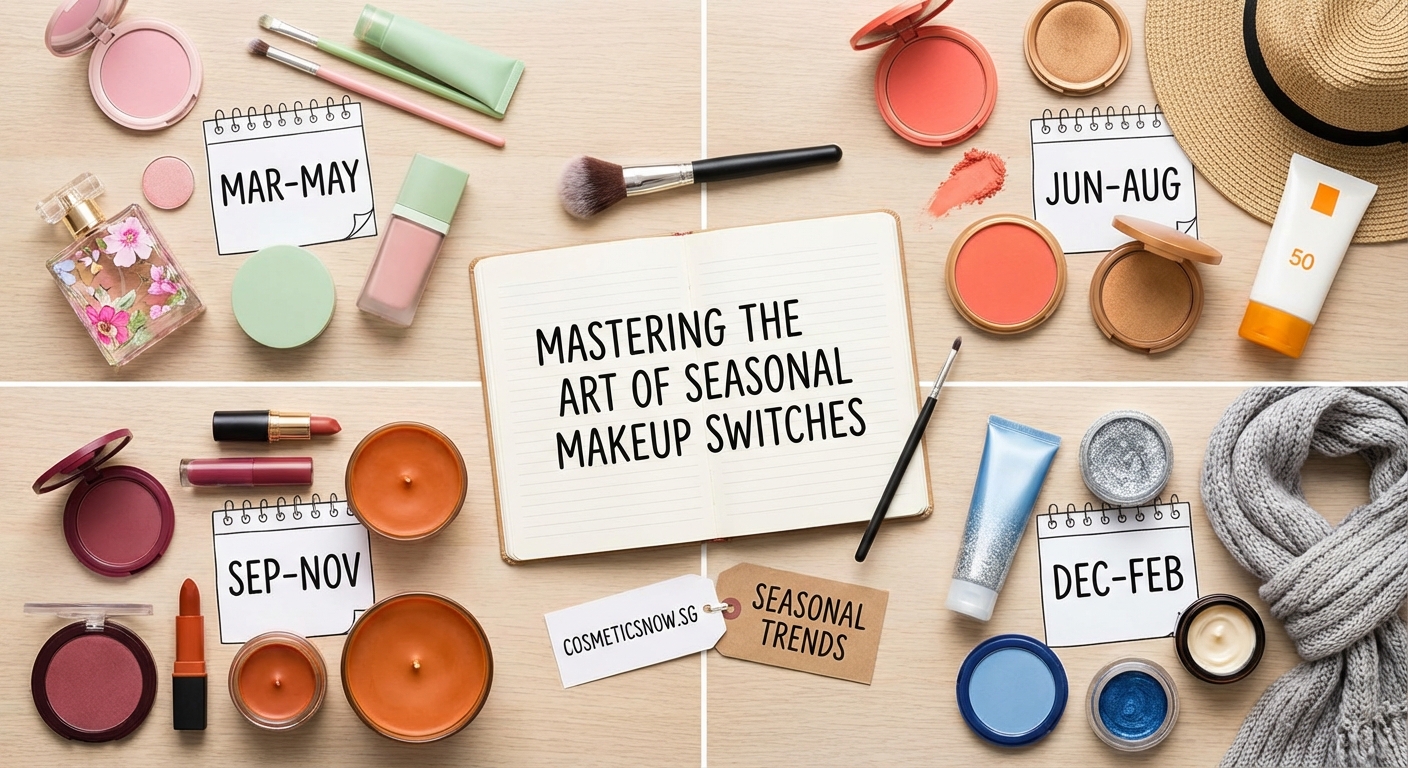
Before changing products, understand what’s happening to your skin.
Winter skin characteristics:
– Increased dryness and flakiness
– Tighter feeling, especially after cleansing
– More visible fine lines
– Dull, lackluster appearance
– Potential redness from temperature changes
Spring skin characteristics:
– Gradual moisture return
– Possible breakouts from seasonal allergies
– Increased sensitivity to new pollen
– Combination zones becoming more obvious
– Transitional texture issues
Summer skin characteristics:
– Excess oil production
– Larger appearing pores
– Increased shine, especially T-zone
– Makeup sliding and separation
– More frequent breakouts from sweat
Fall skin characteristics:
– Decreasing oil production
– Beginning moisture loss
– Residual sun damage appearing
– Skin texture becoming uneven
– Preparation needs for winter dryness
Recognizing these patterns helps you anticipate changes before problems appear. If you’re establishing a complete step-by-step guide to building your first skincare routine, understanding seasonal variations becomes even more important.
Spring makeup transition strategies
Spring marks the shift from heavy coverage to lighter, fresher looks.
Formula changes for spring
Replace thick winter foundations with lighter alternatives. BB creams and tinted moisturizers provide coverage without heaviness.
Switch from cream blushes to powder or gel formulas. These blend more easily as skin produces more natural oils.
Trade matte lipsticks for glosses or tinted balms. Your lips start recovering from winter dryness and can handle lighter textures.
Color palette adjustments
Warmer weather calls for brighter, more playful shades. Pastels work beautifully against skin that’s starting to see more sun.
Coral blushes replace berry tones. Peachy lips replace deep wines. Lighter eyeshadows replace smoky winter looks.
Application technique modifications
Use less powder overall. Your skin needs less mattifying as humidity increases naturally.
Apply foundation with a damp sponge instead of a brush. This creates a more natural, skin-like finish perfect for spring’s fresh aesthetic.
Set makeup only in necessary zones. T-zone setting keeps shine controlled without creating a cakey appearance.
“Spring is about letting your skin breathe after months of heavy products. Think enhancement, not coverage. Your goal is to look like you’re glowing naturally, not wearing a full face of makeup.” – Professional Makeup Artist
Summer-proofing your beauty routine
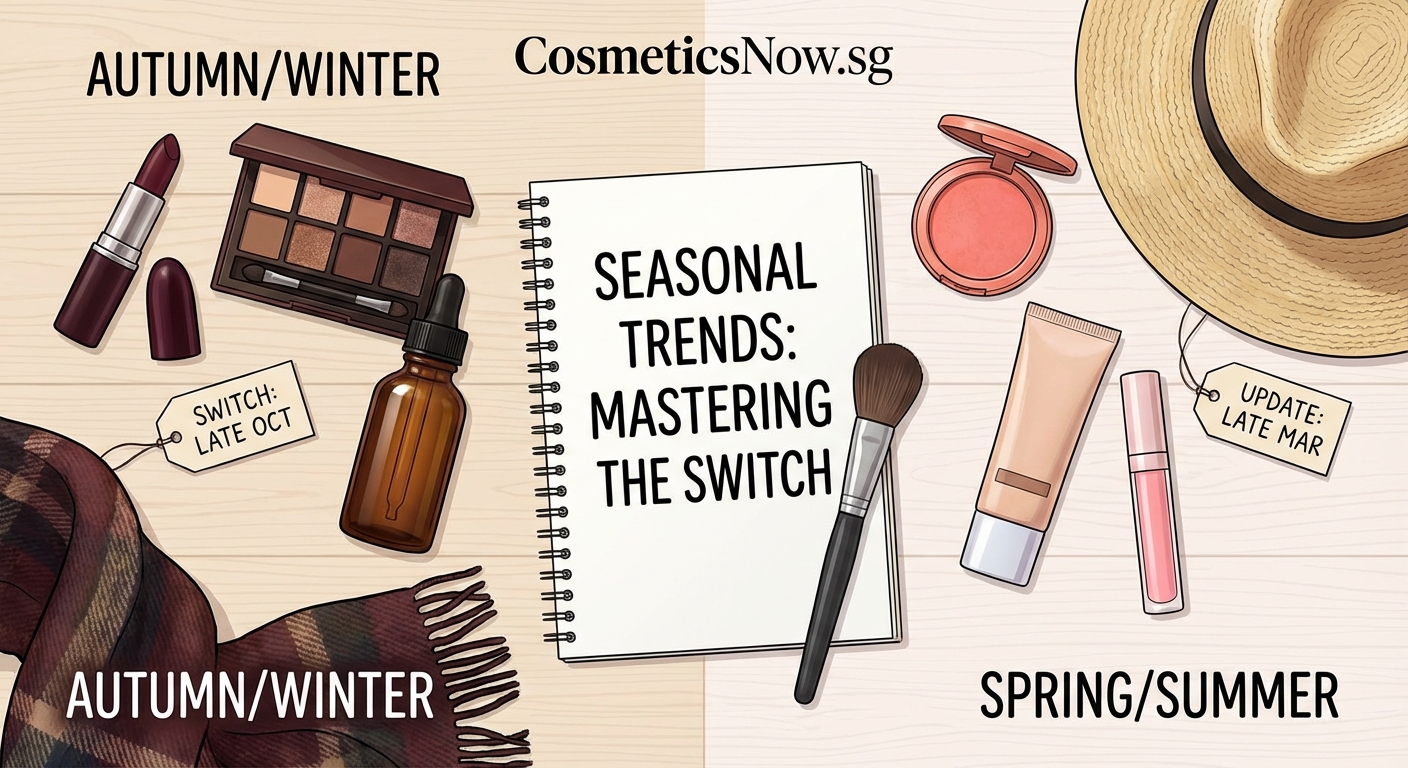
Summer demands the most dramatic changes to your makeup approach.
Product formula priorities
-
Switch to waterproof mascaras and eyeliners. Humidity and sweat will run regular formulas within hours.
-
Choose oil-free foundations. Water-based or silicone-based formulas prevent additional shine.
-
Use mattifying primers. These create a barrier between skin oils and makeup.
-
Select transfer-proof lip products. Liquid lipsticks or lip stains survive heat and humidity better than traditional formulas.
-
Invest in setting sprays. These lock everything in place despite challenging conditions.
Strategic application for heat
Less is genuinely more during summer months. Heavy application melts faster and looks worse as it breaks down.
Apply foundation only where needed. Spot conceal instead of full coverage. Your skin shows through more naturally and stays fresher longer.
Cream products should be used sparingly. Stick to powder formulas for cheeks and eyes when possible.
Set with translucent powder immediately after application. Don’t wait for products to settle. Lock them down right away.
Learning how to apply foundation like a professional makeup artist becomes especially valuable during summer when technique matters more than product quantity.
Color choices for summer
Bright, bold colors work better than subtle shades. They show up against tanned or sun-kissed skin.
Bronzers become your best friend. They add warmth without heavy foundation.
Waterproof gel eyeliners in navy, emerald, or purple add interest without the harshness of black.
Fall transition makeup modifications
Fall bridges summer and winter, requiring a balanced approach.
Gradual formula transitions
Don’t switch everything at once. Your skin needs time to adjust as weather changes.
Start by adding hydrating primers under your existing foundation. This addresses beginning dryness without completely changing your routine.
Introduce cream blushes gradually. Mix them with powder formulas at first.
Begin using more moisturizing lip products. Layer gloss over lipstick instead of switching formulas immediately.
Addressing summer damage
Fall is when sun damage from summer becomes visible. Adjust your makeup to address these concerns.
Color-correcting primers help neutralize redness or hyperpigmentation. Green primers calm redness. Peach correctors brighten dark spots.
Choose foundations with buildable coverage. You may need more coverage in some areas than you did during summer.
Add illuminating products strategically. These bring life back to skin that looks dull from summer exposure.
The sunset blush technique master the gradient glow everyone’s obsessed with works beautifully during fall, mimicking the warm, golden hour lighting of the season.
Fall color palette
Deep berries, burnt oranges, and rich browns replace summer brights.
Mauve and plum lip colors look sophisticated without feeling too heavy for the transitional weather.
Warm-toned eyeshadows in copper, bronze, and terracotta complement fall fashion and the season’s natural color palette.
Winter makeup survival guide
Winter requires the most intensive product changes to combat harsh conditions.
Heavy-duty formula swaps
Replace all powder products with cream alternatives when possible. Powder emphasizes dry patches and settles into fine lines more noticeably in winter.
Choose foundations with added skincare benefits. Hyaluronic acid, glycerin, or ceramides provide makeup and moisture simultaneously.
Use cream highlighters instead of powder. These add glow without emphasizing texture issues.
Select moisturizing lipsticks or lip treatments with color. Matte formulas are too drying for most people during winter.
Layering for lasting wear
Winter makeup requires more preparation than other seasons.
- Start with a hydrating serum under makeup.
- Apply a rich moisturizer and let it fully absorb.
- Use a hydrating primer to create a smooth base.
- Apply foundation in thin layers, building coverage gradually.
- Set only the T-zone with minimal powder.
- Finish with a hydrating setting spray, not a mattifying one.
This layering approach prevents the cakey, dry appearance that happens when makeup sits on dehydrated skin.
Preventing makeup from emphasizing dryness
Even with the right products, application technique matters enormously in winter.
Never apply makeup to flaky skin. Exfoliate gently the night before, not the morning of application.
Use a damp sponge for all application. The moisture helps products meld with skin instead of sitting on top.
Avoid powder where possible. If you must set, use a fluffy brush and the lightest possible hand.
Refresh throughout the day with facial mist, not more powder. This revives makeup without adding more product.
For comprehensive guidance on winter skin preparation, check out the whipped shea butter body cream recipe for ultra-soft winter skin which can also be adapted for facial use.
Common seasonal makeup mistakes to avoid
| Mistake | Why It Happens | Better Alternative |
|---|---|---|
| Using the same foundation shade year-round | Skin tone changes with sun exposure | Keep two shades and mix them as needed |
| Switching all products at once | Overwhelming and expensive | Transition gradually, starting with base products |
| Ignoring primer changes | Primers have seasonal needs too | Match primer to season (hydrating in winter, mattifying in summer) |
| Over-powdering in winter | Trying to set makeup the same way | Use cream products and minimal powder |
| Under-setting in summer | Not adjusting for humidity | Layer powder and setting spray |
| Keeping expired products between seasons | Storing makeup for next year | Check expiration dates before seasonal switches |
Building a seasonal makeup wardrobe
You don’t need completely separate makeup collections for each season. Strategic choices cover multiple needs.
Core products to keep year-round:
– Neutral eyeshadow palette
– Black mascara
– Brow products
– Concealer in your shade range
– Basic brushes and tools
Seasonal rotation items:
– Foundation formulas (dewy for winter, matte for summer)
– Blush textures (cream for winter, powder for summer)
– Lip products (moisturizing for winter, long-wear for summer)
– Setting products (spray for summer, minimal for winter)
– Primers (hydrating for winter, mattifying for summer)
Store off-season products properly. Cool, dark places preserve formulas better than bathroom cabinets.
Label products with purchase dates. This helps you track when items expire, especially if you only use them part of the year.
Adapting techniques beyond product swaps
How you apply makeup matters as much as what you apply.
Winter application approach:
– Press products into skin instead of sweeping
– Use warming motions to help products meld
– Layer thin applications instead of one thick coat
– Focus on cream textures
– Minimize powder usage
Summer application approach:
– Use light, sweeping motions
– Allow each layer to set before adding more
– Focus on strategic placement
– Embrace powder products
– Set immediately and thoroughly
Transition season approach:
– Combine techniques based on daily weather
– Adjust based on indoor versus outdoor time
– Mix product textures as needed
– Stay flexible with your routine
Understanding the correct order to apply your makeup products becomes even more important when you’re adjusting for seasons, as layering order affects how products perform in different conditions.
Reading your skin’s seasonal signals
Your skin tells you when changes are needed.
Signs you need to switch to warmer weather products:
– Makeup looks heavy or cakey
– Foundation oxidizes darker quickly
– Products slide around by midday
– Skin feels greasy under makeup
– Breakouts increase despite same routine
Signs you need to switch to colder weather products:
– Foundation emphasizes dry patches
– Makeup looks flat or dull
– Products don’t blend smoothly
– Skin feels tight under makeup
– Fine lines appear more prominent
Don’t wait for the calendar. Trust what your skin shows you.
Transitioning makeup for unpredictable weather
Some regions experience dramatic temperature swings within single days or weeks.
Keep transition products accessible. A mattifying primer and a hydrating primer let you adjust based on daily conditions.
Layer strategically. Apply hydrating products first, then add mattifying products only where needed.
Carry blotting papers and facial mist. These let you adjust throughout the day without redoing makeup.
Consider your environment. Office air conditioning in summer requires different preparation than outdoor humidity.
Budget-friendly seasonal switching
You don’t need to buy everything new each season.
Multi-season products worth the investment:
– High-quality brushes and sponges
– Neutral eyeshadow palettes
– Reliable mascara
– Good brow products
– Quality makeup remover
Seasonal splurges that matter most:
– Foundation formulas (these make the biggest difference)
– Primers (these affect everything applied on top)
– Setting products (these determine makeup longevity)
Money-saving strategies:
– Buy seasonal products at end-of-season sales
– Mix foundations instead of buying new shades
– Use skincare to adjust makeup performance
– Focus budget on base products, not color cosmetics
Your makeup routine deserves to change with the weather
Seasonal makeup adjustments aren’t about following trends or buying more products. They’re about working with your skin instead of against it.
Start small. Switch your foundation formula first. Notice how that single change affects your entire look. Add one or two more adjustments each season. Build your understanding of what your skin needs as conditions change.
Your makeup should make you feel confident regardless of temperature, humidity, or weather. When you stop fighting seasonal changes and start embracing them, your routine becomes easier, your makeup looks better, and your skin stays healthier throughout the year.
Pay attention to what works. Take notes on products and techniques that succeed in different conditions. Next year’s transitions will be even smoother because you’ll know exactly what your skin needs.