Teenage skin is going through enough changes without adding harsh chemicals and pore-clogging ingredients into the mix. Finding the best makeup for teens means balancing their desire for self-expression with products that won’t trigger acne, irritation, or long-term damage. Whether your daughter is experimenting with her first lip gloss or building a full makeup collection, choosing the right products now sets the foundation for healthy skin habits that last a lifetime.
The best makeup for teens prioritizes lightweight, non-comedogenic formulas with minimal ingredients. Focus on tinted moisturizers instead of heavy foundations, cream blushes over powders, and lip tints rather than long-wear lipsticks. Always start with proper skincare, including gentle cleansing and SPF protection. Choose products labeled oil-free and fragrance-free to minimize breakout risks while allowing creative expression through color and technique.
Why Teen Skin Needs Different Products
Teen skin produces more oil than adult skin due to hormonal changes during puberty. This increased sebum production makes pores more visible and creates a higher risk for breakouts.
Heavy makeup formulas designed for mature skin can suffocate these already active pores. They trap oil and dead skin cells beneath the surface, creating the perfect environment for acne bacteria to thrive.
Young skin also has a faster cell turnover rate. It naturally sheds and regenerates more efficiently than older skin. This means teens don’t need the same coverage or anti-aging ingredients that adults reach for.
The goal is enhancing what’s already there, not covering it up completely.
Starting with the complete step-by-step guide to building your first skincare routine creates the perfect canvas before any makeup application.
Building a Safe Teen Makeup Collection
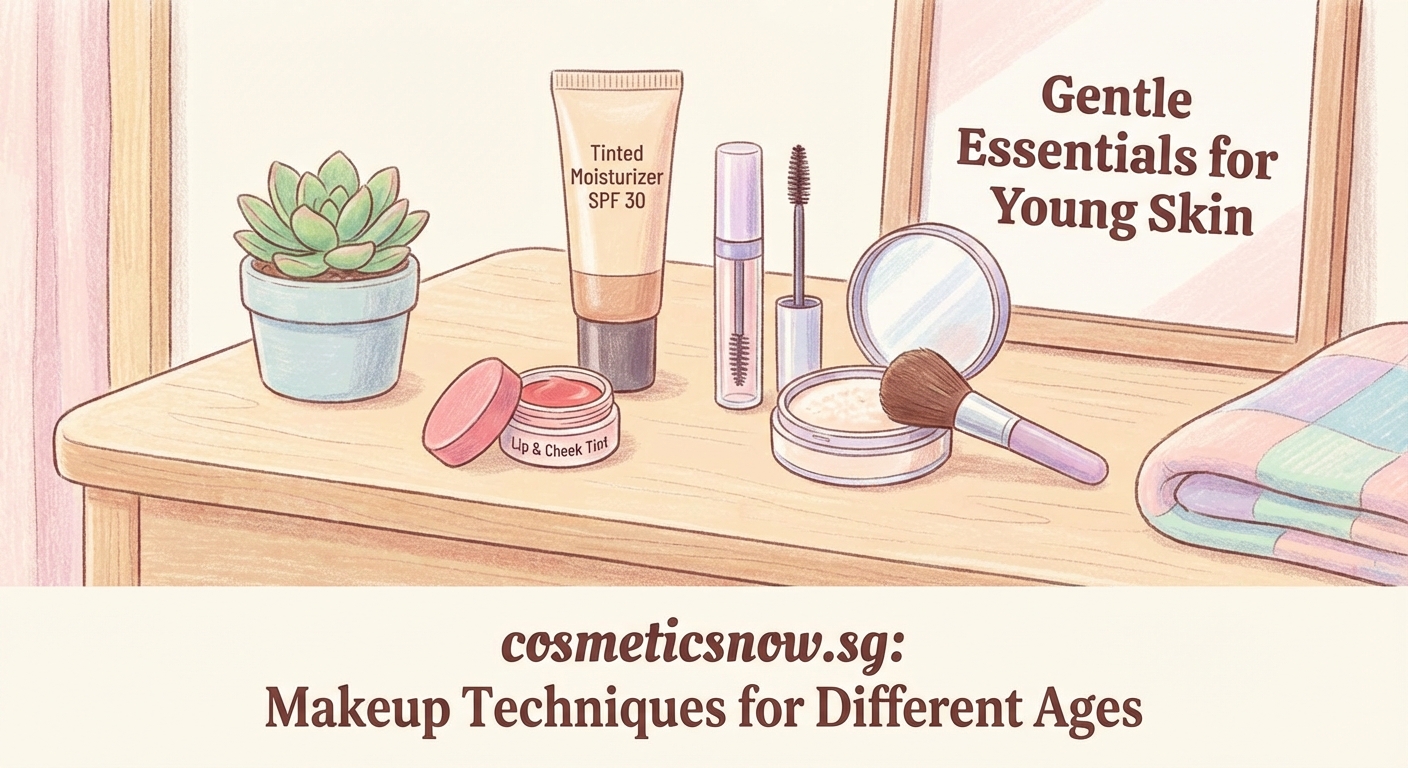
Here’s what belongs in a starter makeup kit for teenagers:
- Lightweight tinted moisturizer with SPF instead of full-coverage foundation
- Cream or liquid blush in natural pink or peach tones
- Clear or tinted brow gel to shape without harsh lines
- Neutral eyeshadow palette with matte finishes in browns and taupes
- Mascara in brown or black with a non-waterproof formula
- Lip balm with a hint of color or sheer lip gloss
- Gentle makeup remover specifically formulated for young skin
Each product should list “non-comedogenic” on the label. This certification means the formula has been tested and won’t clog pores.
Avoid anything with heavy fragrances, alcohol as a primary ingredient, or glitter particles that can scratch the delicate eye area.
Foundation Alternatives That Let Skin Breathe
Traditional foundation is too heavy for most teenage skin. The coverage level needed for mature skin concerns creates an unnecessary barrier on young faces.
Tinted moisturizers offer the perfect middle ground. They even out skin tone while providing hydration and sun protection. The sheer coverage allows natural skin texture to show through instead of creating a mask-like appearance.
BB creams designed for oily or combination skin work well for teens dealing with shine in the T-zone. These multi-tasking products combine skincare benefits with minimal color correction.
For teens who want more coverage on specific areas, a lightweight concealer handles the job better than all-over foundation. Dab it only where needed on blemishes or under-eye circles.
The technique matters just as much as the product. Learning how to apply foundation like a professional makeup artist helps teens achieve natural-looking results even with minimal products.
“The best makeup for teenage skin is the kind you barely notice. If you can see a clear line where the product stops, you’re using too much or the wrong formula for your age.” – Dermatologist Dr. Sarah Chen
Eye Makeup That Won’t Irritate or Damage
The skin around the eyes is thinner and more sensitive than anywhere else on the face. Teens should stick with gentle formulas and avoid anything that requires harsh rubbing to remove.
Start with neutral eyeshadow shades in matte finishes. Cream eyeshadows blend easily with fingers and don’t require brushes or advanced techniques. They also tend to have shorter ingredient lists than powder formulas.
For eyeliner, pencils are more forgiving than liquid liners. Brown or dark gray creates definition without the harsh look of black. Skip waterproof formulas that require oil-based removers to break down.
Mascara should be replaced every three months to prevent bacteria buildup. Brown mascara looks more natural on lighter lashes and still defines the eyes without appearing too dramatic for school or daytime activities.
Teens interested in more creative looks can experiment with winged eyeliner for beginners using three foolproof methods that actually work once they’ve mastered basic application.
Lip Products for Healthy, Hydrated Lips
Matte liquid lipsticks are trendy but terrible for young lips. They contain drying alcohols and require multiple layers to achieve full coverage. This strips moisture and can cause peeling or cracking.
Better options for teens include:
- Tinted lip balms with SPF protection
- Sheer lip glosses in natural pink or coral shades
- Lip stains that add color without heavy texture
- Moisturizing lipsticks in cream formulas
Avoid anything labeled “long-wearing” or “transfer-proof” during the teen years. These formulas use stronger ingredients to lock color in place, but they also prevent lips from breathing and self-moisturizing naturally.
Keep lip products simple and focus on hydration first, color second.
The Right Way to Remove Teen Makeup
Leaving makeup on overnight is one of the fastest ways to trigger breakouts and irritation. Teens need a gentle but effective removal routine they’ll actually follow every night.
Micellar water works well for light makeup days. The tiny micelle particles attract and lift away makeup, dirt, and oil without harsh rubbing. Pour it onto a cotton pad and gently wipe across the face.
For heavier makeup, a cream or balm cleanser melts everything away without stripping natural oils. Massage it into dry skin for 30 seconds, then rinse with lukewarm water.
Following proper steps for removing makeup without damaging your skin prevents the irritation and breakouts that make teens want to use more coverage products.
Never use makeup wipes as the only cleansing step. They smear makeup around rather than truly removing it. If wipes are necessary for convenience, always follow with a water-based cleanser.
Ingredients to Seek Out and Avoid
Understanding ingredient labels helps teens make better product choices as they build their collections.
Look for these skin-friendly ingredients:
- Hyaluronic acid for lightweight hydration
- Niacinamide to control oil and minimize pores
- Zinc oxide or titanium dioxide for sun protection
- Aloe vera to soothe irritation
- Green tea extract for antioxidant protection
Avoid these common irritants:
- Fragrance or parfum (even “natural” fragrances can irritate)
- Denatured alcohol high on the ingredient list
- Comedogenic oils like coconut oil or cocoa butter
- Talc in powder products
- Parabens and phthalates
Mineral makeup formulas often work well for teen skin. They typically contain fewer ingredients and rely on natural minerals for color and coverage.
Makeup Mistakes That Damage Young Skin
Even with the right products, poor application habits can cause problems. Here are the most common mistakes teens make and how to fix them.
| Mistake | Why It’s Harmful | Better Approach |
|---|---|---|
| Sleeping in makeup | Clogs pores and prevents overnight skin repair | Set a phone reminder to cleanse before bed |
| Sharing makeup with friends | Transfers bacteria and increases infection risk | Keep products personal, especially eye and lip items |
| Using expired products | Old formulas harbor bacteria and lose effectiveness | Mark purchase dates and replace every 3-6 months |
| Applying makeup to dirty skin | Traps dirt and oil under products | Always cleanse and moisturize first |
| Over-layering products | Suffocates skin and looks cakey | Use thin layers and build only where needed |
| Skipping SPF | Sun damage accumulates and causes premature aging | Choose base products with built-in SPF 30+ |
The common makeup mistakes that age you apply to teens too, even though aging isn’t their primary concern yet.
When to Upgrade Your Teen Makeup Routine
As teens move through their mid to late teenage years, their skin changes and their skill level improves. The makeup collection can evolve without jumping to adult products too soon.
Around age 16 or 17, teens might be ready for:
- A fuller coverage concealer for stubborn blemishes
- Neutral eyeshadow palettes with both matte and shimmer options
- A basic contouring product for special occasions
- Longer-wearing lip colors for events or performances
The key is adding complexity gradually rather than switching everything at once. Keep the base routine focused on skin health and layer in creative elements as confidence grows.
Some teens develop an interest in more advanced techniques like contouring based on face shape or makeup tricks for specific eye shapes.
Setting Boundaries While Encouraging Expression
Parents often struggle with how much makeup is appropriate for different ages and occasions. Setting clear guidelines helps teens understand expectations while still allowing creative freedom.
Consider creating different makeup “levels” for various situations:
Level 1 (School/Daily): Tinted moisturizer, mascara, lip balm, and optional blush
Level 2 (Weekends/Friends): Add eyeshadow in neutral tones and tinted lip gloss
Level 3 (Special Events): Include eyeliner, bolder lip colors, and light contouring
This framework gives teens something to look forward to for special occasions while maintaining age-appropriate looks for everyday life.
Having honest conversations about why certain products or techniques aren’t suitable yet helps teens understand the reasoning rather than feeling arbitrarily restricted.
Budget-Friendly Options That Don’t Sacrifice Quality
Teens don’t need expensive luxury makeup to achieve great results. Many drugstore brands now offer clean formulas specifically designed for younger skin.
Look for brands that clearly label their products as non-comedogenic and dermatologist-tested. Read reviews from other teens and parents to see how products perform on young skin.
Starter sets or palettes provide better value than buying individual products. They also help teens experiment with different colors without committing to full-size versions of shades they might not use regularly.
Invest more in base products like tinted moisturizer and concealer that touch the entire face. Save money on trendy color cosmetics that will change with the seasons.
Many brands offer mini or travel sizes perfect for teens who are still figuring out their preferences. These smaller versions cost less and don’t go to waste if a shade doesn’t work out.
Teaching Proper Application Order
Using products in the correct sequence ensures better results and longer wear. It also prevents product pilling or uneven application.
Follow this order for a complete teen makeup routine:
- Cleanse and moisturize the face completely
- Apply sunscreen if the moisturizer doesn’t contain SPF
- Use tinted moisturizer or BB cream across the entire face
- Dab concealer only on areas that need extra coverage
- Add cream blush to the apples of the cheeks
- Fill in eyebrows with light, hair-like strokes
- Apply eyeshadow from lightest to darkest shades
- Add mascara to upper lashes only (lower can look too heavy)
- Finish with tinted lip balm or sheer gloss
Understanding the correct order to apply makeup products prevents common mistakes and helps products work together instead of against each other.
Building Confidence Without Makeup Dependency
The goal isn’t to make teens feel like they need makeup to look presentable. It’s about giving them tools for self-expression when they choose to use them.
Encourage makeup-free days regularly. This prevents skin from becoming dependent on coverage and allows natural beauty to shine through.
Focus conversations on technique and creativity rather than covering perceived flaws. Makeup should enhance features, not hide them completely.
Compliment your teen when they’re not wearing makeup just as often as when they are. This reinforces that their value doesn’t come from their appearance or how much effort they put into it.
Some teens develop elaborate routines inspired by social media that aren’t practical for daily life. Help them create a simplified version for regular use while saving more complex looks for weekends or special occasions.
Addressing Acne While Wearing Makeup
Many teens worry that makeup will make their acne worse. With the right products and habits, they can express themselves without sacrificing skin health.
Choose makeup labeled “non-comedogenic” and “oil-free” specifically. These formulations won’t clog pores or add excess oil to already oily skin.
Never apply makeup to active breakouts with dirty hands or applicators. Use clean brushes or disposable applicators to prevent spreading bacteria.
Let spot treatments fully absorb before applying makeup over them. Most acne medications need 5-10 minutes to dry completely.
Consider using green-tinted color correctors under concealer to neutralize redness from blemishes. This allows for lighter coverage overall while still camouflaging problem areas.
For teens struggling with persistent acne, consulting a dermatologist should come before investing in more makeup. Clear skin reduces the need for coverage products naturally.
Creating Healthy Habits That Last
The makeup habits teens develop now will follow them into adulthood. Teaching proper techniques and product selection creates a foundation for lifelong skin health.
Make removing makeup as routine as brushing teeth. Keep cleansing products visible on the bathroom counter as a reminder.
Replace makeup regularly even if products aren’t empty. Bacteria growth accelerates in warm, humid bathrooms where most teens store their collections.
Clean makeup brushes and sponges weekly with gentle soap and warm water. Dirty tools transfer bacteria and old product buildup back onto clean skin.
Store makeup in a cool, dry place rather than in bathrooms where humidity and temperature fluctuations break down formulas faster.
These habits become automatic when established during the teen years, preventing the skin problems many adults face from years of improper makeup use.
Supporting Your Teen’s Makeup Journey
Your role as a parent is guiding teens toward safe choices while respecting their growing independence. This balance gets easier when you approach makeup as a learning opportunity rather than a battle.
Shop together for first products. This gives you input on formula quality while allowing your teen to choose colors they’re excited about wearing.
Watch application tutorials together and practice techniques. This creates bonding time while ensuring they learn proper methods from the start.
Set a reasonable budget for makeup purchases. This teaches financial responsibility while preventing impulse buying of every trending product.
Stay informed about ingredient safety and new product releases. Your teen will appreciate that you take their interests seriously enough to learn about them.
Remember that makeup preferences change constantly during the teen years. What they love at 13 might embarrass them at 15. Stay flexible and allow their style to evolve naturally.
Makeup for Different Teen Activities
Different situations call for different makeup approaches. Help your teen understand when to dial things up or keep them simple.
For school, focus on natural enhancement that won’t distract from learning or violate dress codes. Most schools allow subtle makeup that doesn’t draw excessive attention.
Sports and physical activities require minimal or no makeup. Sweat mixed with makeup clogs pores and can cause stinging if it runs into eyes. Save the full face for after the game.
Video calls and photos need slightly more definition than in-person interactions. Cameras can wash out features, making a bit of blush and mascara more necessary for clear visibility.
Special events like dances or performances allow for bolder choices. This is when teens can experiment with techniques they’ve been practicing, like creating perfect winged eyeliner or trying a statement lip color.
Celebrating Natural Beauty at Every Stage
The best makeup for teens enhances what’s already there rather than creating a completely different look. Young skin has a natural glow and freshness that doesn’t need heavy products to shine through.
Remind your teen that makeup is optional, not mandatory. Some days they’ll want to experiment with color and technique. Other days they’ll prefer a bare face. Both choices are equally valid.
The products you choose now set the stage for healthy skin in the decades ahead. Prioritizing gentle, skin-friendly formulas over heavy coverage teaches teens to value skin health alongside self-expression.
As they grow and their needs change, the foundation of good habits will remain. They’ll know how to read ingredient labels, choose appropriate products for their skin type, and apply makeup in ways that enhance rather than damage.
This knowledge becomes their toolkit for navigating the overwhelming world of beauty products with confidence and common sense.