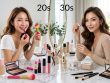
You know that moment when you catch your reflection at noon and your foundation has settled into every tiny line you didn’t even know you had? That was me in my early 30s. I had been loyal to my powder compact since college, convinced it was the only way to control shine. But my skin had other plans. It was getting drier, especially around my cheeks and the corners of my nose. Suddenly, the matte look I loved started looking flat and crepe-y. That is when a makeup artist friend handed me a cream blush and said, “Just try it.” That single swap changed everything.
Switching to cream makeup for 30s is not a trend. It is a practical response to your skin’s changing needs. Cream formulas blend seamlessly, add hydration, and sit on top of the skin instead of sinking into fine lines. With the right prep and application, you get a dewy, youthful finish that powder often cannot match. This guide covers why it works and exactly how to make the switch.
Why Your Skin in Your 30s Craves Cream
Your 20s were kind to you. Your skin produced plenty of oil, so powder products stayed put and looked smooth. But around age 30, your cell turnover starts to slow down. Collagen production dips about one percent each year. Your skin barrier becomes less efficient at holding onto moisture.
This means your skin is not as oily as it used to be. It might even feel tight after washing your face. Powder formulas, especially heavy ones, can cling to dry patches and emphasize texture you never noticed before. Cream formulas, on the other hand, contain emollients and humectants that work with your skin instead of against it.
Cream makeup for 30s works because it:
- Adds a layer of hydration while providing coverage
- Melts into the skin for a natural, second-skin effect
- Moves with your face instead of cracking when you smile
- Reflects light softly, which minimizes the look of fine lines
The Science Behind Cream vs. Powder
Let us break down the difference in simple terms. Powder products are made with talc, silica, or clay. They absorb oil and sit on the surface of the skin. When your skin is dry, those powders have nothing to absorb. They just sit there, looking dusty and settling into every crease.
Cream products use oils, waxes, and water. They create a flexible film that adheres to the skin. Because they contain moisturizing ingredients, they do not dry down completely flat. They keep a slight emollient feel that helps the skin look plump.
| Technique | Cream Makeup | Powder Makeup |
|---|---|---|
| Foundation application | Use fingers or a damp sponge for a sheer finish | Use a brush or puff for a matte, full-coverage look |
| Blush placement | Tap onto the apples of cheeks, blend outward | Sweep onto the cheekbones with a fluffy brush |
| Highlighter use | Pat onto high points with a fingertip | Dust over the cheekbones and brow bone |
| Common mistake | Applying too much product at once | Using too heavy a hand, which looks cakey |
| Best for 30s skin | Yes, hydrates and blurs | Can emphasize dryness and fine lines |
“Think of cream makeup as skincare that happens to have pigment,” says celebrity makeup artist Jenna R. “It is the easiest way to get that ‘your skin but better’ look after 30.”
How to Build a Cream Makeup Routine in 3 Steps
Switching to cream makeup for 30s does not mean you need to overhaul your entire collection overnight. Start with these three core products and build from there.
Step 1: Prep Your Skin Properly
Cream makeup needs a hydrated base to blend well. If your skin is dry or flaky, the cream will cling to those patches.
- Wash your face with a gentle, non-stripping cleanser.
- Apply a hydrating serum with hyaluronic acid or glycerin.
- Use a moisturizer suited to your skin type. If you are normal to dry, a richer cream works best.
- Let your skincare sink in for at least two minutes before applying makeup.
Step 2: Choose the Right Foundation
Skip the heavy liquid foundation for now. Look for a tinted moisturizer, a skin tint, or a cream foundation stick.
- Apply a small amount to the center of your face.
- Blend outward using your fingers or a damp sponge. Fingers add warmth, which helps the product melt into the skin.
- Build coverage only where you need it, like around the nose or on any redness.
Step 3: Add Cream Color Products
Cream blush, bronzer, and highlighter are the stars of this routine.
- Cream blush: Smile and tap a dot onto the apples of your cheeks. Blend upward toward your temples.
- Cream bronzer: Apply along your cheekbones, jawline, and temples. Use a stippling brush for a diffused look.
- Cream highlighter: Pat a tiny amount onto the tops of your cheekbones, the bridge of your nose, and your cupid’s bow.
For more on perfecting your base, check out our guide on how to apply foundation like a professional makeup artist.
Common Mistakes to Avoid When Using Cream Makeup
Cream formulas are forgiving, but they have a few quirks. Here is what to watch out for.
Using Too Much Product
Cream makeup is concentrated. A pea-sized amount of foundation is often enough for your whole face. If you apply too much, it can feel heavy and slide around. Start with less and add more if needed.
Skipping the Setting Step
Cream makeup does not set itself the way powder does. You do not need to powder your whole face, but you should set areas that tend to crease. Use a light dusting of translucent powder under your eyes, around your nose, and on your forehead.
Applying Over Dry Skin
If your skin is not properly moisturized, cream products can look patchy. Always prep with a hydrating toner or a facial mist before you start. For a deeper routine, read our guide on how to properly layer your serums for maximum skin benefits.
Forgetting to Blend
Cream products blend best when you work in small sections. Do not dot product all over your face at once. Apply to one cheek, blend it, then move to the next area. This prevents the product from drying before you have a chance to blend.
What About Eye Makeup and Lips?
Cream formulas are not just for your face. They work beautifully on your eyes and lips too.
- Cream eyeshadow: A single wash of a cream shadow in a neutral bronze or champagne shade can open up your eyes without any fallout. Apply with your ring finger for the most control.
- Cream eyeliner: A gel or cream liner gives a softer look than a liquid pen. It is easier to smudge for a sultry, lived-in effect.
- Cream lipstick: Cream lipsticks are more hydrating than matte formulas. They also fade more evenly, so you do not get that harsh ring around the lips.
If you love experimenting with eye looks, take a look at our tips for winged eyeliner for beginners: 3 foolproof methods that actually work.
When to Reach for Powder Again
Cream makeup for 30s is not an all-or-nothing rule. There are times when powder still wins.
- Hot, humid weather: If you live in a place like Houston or Miami in July, a little powder on your T-zone can help your makeup last longer.
- Oily skin types: If your skin is still producing excess oil in your 30s, you may want to use powder on your nose and chin.
- Long wear events: For weddings or long days, layering a sheer powder over your cream foundation can lock everything in place.
The key is to use powder sparingly and only where you need it.
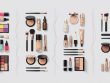
Your Cream Makeup Shopping List
If you are ready to start your switch, here are the product types to look for.
- Tinted moisturizer or skin tint: Look for formulas with SPF for added protection.
- Cream blush: Stick or pot formulas are easiest to use.
- Cream bronzer: A warm, neutral tone works for most skin tones.
- Cream highlighter: Choose a shade with a subtle sheen, not glitter.
- Cream eyeshadow: A single stick in a satin finish is a great starter.
- Hydrating concealer: A creamy concealer with light coverage is better than a thick, matte one.
For more product recommendations, see our post on the best eye makeup products for women in their 30s.
Why This Change Feels So Good
There is something freeing about cream makeup. It does not demand perfection. You can apply it with your fingers in under five minutes and still look polished. It forgives mistakes. It moves with you. And it makes your skin look like skin, not a mask.
The first time I used a cream blush, I kept checking the mirror expecting it to have disappeared. But it was still there, soft and glowy, hours later. That is when I knew I was not going back.
Your Next Step
Start small. Pick one cream product to replace a powder favorite. Try a cream blush or a skin tint for a week. Notice how your skin feels at the end of the day. Does it look more rested? Do your friends ask what you are doing differently? That is the magic of cream makeup for 30s.
Once you feel comfortable, you can build a full routine. And remember, the best makeup is the one that makes you feel like the best version of yourself.