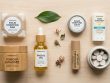
Most store bought beauty products come wrapped in layers of plastic. You pay a premium for fancy packaging, then toss the container in the recycling bin. That cycle adds up. In 2026, more people are looking for ways to cut waste without giving up good skincare. The answer is simpler than you think. Making your own beauty products at home lets you control exactly what goes on your skin. You reuse the same jars and bottles. You avoid harsh chemicals. And you save a surprising amount of money each month.
DIY sustainable beauty products help you eliminate plastic waste, save money, and avoid harsh chemicals. With a few basic ingredients like coconut oil, shea butter, and essential oils, you can create effective face masks, body scrubs, toners, and lip balms. Each recipe takes under 15 minutes and costs pennies per use. Start with one swap and build from there.
Why Your Bathroom Cabinet Needs a Makeover
The average person throws away about eight pounds of plastic packaging from beauty products every year. That is a lot of empty shampoo bottles, lotion tubes, and serum droppers. Many of those containers are not truly recyclable. They end up in landfills or the ocean.
Making DIY sustainable beauty products solves this problem at the source. You buy ingredients in bulk or in reusable containers. You mix only what you need. And you store everything in glass jars that you wash and reuse for years.
Plus, the cost difference is real. A single face mask from a popular brand can cost five to eight dollars. The same mask made at home costs about 30 cents. Over a year, that savings adds up to hundreds of dollars.
The Starter Kit: Ingredients You Need
Before you begin, gather a few basic items. Most of these are likely in your kitchen already.
- Coconut oil – works as a moisturizer, makeup remover, and base for scrubs
- Shea butter – deeply hydrating for dry skin and lips
- Oats – gentle exfoliation for sensitive skin
- Raw honey – antibacterial and soothing for acne prone skin
- Sugar or salt – natural exfoliants for body scrubs
- Essential oils – lavender, tea tree, and peppermint for scent and skin benefits
- Beeswax or candelilla wax – for balms and salves
- Glass jars – reuse old jam jars or buy small mason jars
“The biggest mistake people make is buying expensive single use products when pantry staples work just as well. I have been making my own face masks for two years. My skin has never been better and my bathroom trash is almost empty.” – Jenna K., holistic esthetician
Five DIY Sustainable Beauty Products to Start Making Today
1. Two Ingredient Hydrating Face Mask
This mask is perfect for dry or dull skin. It takes two minutes to make.
What you need:
– 1 tablespoon raw honey
– 1 tablespoon plain yogurt (full fat works best)
Steps:
1. Mix the honey and yogurt together in a small bowl.
2. Apply to clean skin using your fingers or a reusable silicone brush.
3. Leave on for 15 minutes.
4. Rinse with warm water and a soft cloth.
The honey draws moisture into your skin. The yogurt contains lactic acid that gently exfoliates. You will notice a soft glow after the first use.
2. Brown Sugar Body Scrub That Costs Pennies
Store bought body scrubs are mostly sugar and oil with a high price tag. Make your own for a fraction of the cost.
What you need:
– 1 cup brown sugar
– 1/2 cup coconut oil
– 10 drops vanilla extract or lavender essential oil
Steps:
1. Soften the coconut oil if it is solid.
2. Mix all ingredients in a bowl until combined.
3. Transfer to a glass jar with a tight lid.
4. Use in the shower two to three times per week.
This scrub leaves your skin smooth without the microplastics found in many commercial exfoliants. The brown sugar dissolves completely, so it is safe for pipes and the ocean.
3. Calming Lavender Toner
Toners are mostly water anyway. Why pay twenty dollars for something you can make in your kitchen?
What you need:
– 1 cup distilled water
– 2 tablespoons dried lavender flowers
– 10 drops lavender essential oil
– A glass spray bottle
Steps:
1. Bring the distilled water to a gentle boil.
2. Add the dried lavender and let it steep for 20 minutes.
3. Strain the flowers out and let the water cool completely.
4. Add the essential oil and pour into your spray bottle.
5. Shake gently before each use. Store in the refrigerator for up to two weeks.
Spritz this on your face after cleansing. The lavender helps reduce redness and calms irritated skin.
4. Whipped Shea Butter Body Cream
Dry winter skin needs heavy moisture. This whipped cream is rich but absorbs well.
What you need:
– 1/2 cup shea butter
– 1/4 cup coconut oil
– 1/4 cup jojoba oil or almond oil
– A few drops of your favorite essential oil
Steps:
1. Melt the shea butter and coconut oil together using a double boiler or microwave (15 second bursts).
2. Let it cool slightly, then add the jojoba oil and essential oil.
3. Place the bowl in the refrigerator for 20 minutes until it starts to solidify.
4. Whip with a hand mixer until fluffy and light.
5. Scoop into a glass jar and store at room temperature.
Use this after showering. A little goes a long way. Your skin will stay soft for hours.
5. Simple Lip Balm That Works Better Than Drugstore Tubes
Lip balms are one of the easiest DIY sustainable beauty products to master.
What you need:
– 1 tablespoon beeswax pellets (or candelilla wax for vegan)
– 1 tablespoon coconut oil
– 1 tablespoon shea butter
– 5 drops peppermint or orange essential oil
– Empty lip balm tubes or small tins
Steps:
1. Melt the beeswax, coconut oil, and shea butter in a small pot over low heat.
2. Remove from heat and stir in the essential oil.
3. Pour carefully into your tubes or tins.
4. Let them cool completely before using.
These balms last for months. They do not contain petroleum or synthetic fragrances. Your lips will thank you.
Common DIY Mistakes and How to Fix Them
Not every batch turns out perfect on the first try. Here are the most common issues and how to avoid them.
| Mistake | What Happens | How to Fix It |
|---|---|---|
| Adding too much essential oil | Skin irritation or burning sensation | Stick to 5 to 10 drops per cup of base |
| Not melting wax evenly | Grainy texture in lip balms | Use low heat and stir constantly |
| Using water in an oil based product | Mold or bacteria growth | Use distilled water only and keep products dry |
| Storing in warm places | Oils go rancid faster | Keep in a cool, dark cabinet |
| Over mixing whipped creams | Separates and becomes oily | Whip just until fluffy, then stop |
How to Build a Routine Around DIY Products
You do not have to replace everything at once. That is a recipe for overwhelm. Instead, pick one product you use most often and make a DIY version of it.
Here is a simple way to start:
- Choose your swap – maybe the body scrub or the toner.
- Make a small batch and test it for a week.
- Notice how your skin responds.
- When you run out of the store bought version, replace it with your homemade one.
- Move on to the next product.
Over a few months, your bathroom shelf will transform. Less plastic. Fewer chemicals. More money in your pocket.
If you are still buying some products, consider learning how to build a zero waste makeup routine without sacrificing quality. That guide covers reusable tools and refillable options that pair well with your DIY products.
The Ingredients to Avoid in Store Bought Products
When you do buy beauty products, read the labels. Some ingredients are common but not great for your health or the environment.
- Microbeads – tiny plastic pieces that wash into rivers and oceans
- Parabens – preservatives linked to hormone disruption
- Phthalates – often hidden under “fragrance” on labels
- Sodium lauryl sulfate – harsh detergent that strips natural oils
- Synthetic dyes – can cause skin irritation and require heavy processing
Making your own products lets you skip all of these. You choose clean, simple ingredients that your skin recognizes.
Host a DIY Beauty Night with Friends
This is one of the most fun ways to stay consistent. Invite a few friends over. Ask everyone to bring a glass jar. Set up stations with the ingredients for a face mask, a body scrub, and a lip balm.
Everyone makes their own products and takes them home. You split the cost of ingredients, so each person spends very little. Plus, you get to try different essential oil combinations. It is like a cooking party, but for skincare.
For more ideas on making your routine greener, check out 7 sustainable beauty swaps that cost less than your current products. Many of those swaps work great alongside your new DIY habits.
The Real Savings Over Time
Let us look at the numbers. A typical body scrub from a drugstore costs about 12 dollars for 12 ounces. The DIY version costs roughly 2 dollars for the same amount. That is a savings of 10 dollars per jar.
If you use one jar per month, you save 120 dollars per year on just that one product. Add in face masks, toners, moisturizers, and lip balms, and the total easily reaches 400 to 500 dollars annually.
You also save on doctor visits. Fewer irritants mean less acne, fewer rashes, and less dryness. Your skin becomes more balanced. You rely less on medicated creams and treatments.
How to Store Your DIY Products Properly
Because you are not using synthetic preservatives, your products have a shorter shelf life. That is actually a good thing. It means you are putting fresh ingredients on your skin.
Storage tips:
- Keep all products away from direct sunlight and heat.
- Use clean, dry hands or a small spatula to scoop out creams.
- Never add water to a jar after you start using it.
- Label each jar with the date you made it.
- Most water free products last 2 to 3 months at room temperature.
- Products with water (like toner) last 1 to 2 weeks in the fridge.
If something smells off or changes color, throw it away. That is your body telling you the ingredients are past their prime.
A Note on Essential Oil Safety
Essential oils are powerful. They should be treated with respect.
- Do not apply undiluted essential oils directly to skin.
- Always mix them into a carrier oil or butter.
- Some oils are photosensitive (like citrus oils). Avoid sun exposure after using them.
- If you are pregnant or nursing, check with your doctor before using certain oils.
- Start with low amounts. You can always add more.
For a deeper look at natural skincare ingredients, read our guide on how to make your own vitamin C serum at home for brighter skin. It covers potency and storage tips that apply to many DIY recipes.
The Bigger Picture: Less Waste, More Intention
Every time you make a product yourself, you cast a small vote for a cleaner planet. You refuse the plastic bottle. You skip the cardboard box. You avoid the shipping emissions tied to that product traveling across the country.
That matters. The beauty industry generates over 120 billion units of packaging each year. Most of it is not recyclable. By making your own products, you remove yourself from that system. You become part of the solution.
And there is something satisfying about using a scrub you mixed yourself. It connects you to the process. You know exactly what is in it. You feel proud every time you twist open that jar.
Start With One Recipe Today
Pick one recipe from this list. The hydrating face mask is a great place to start because it uses only two ingredients. Make it tonight. See how your skin feels tomorrow.
Once you get comfortable, try the body scrub. Then the toner. Then the lip balm. Before you know it, you will have a full routine of DIY sustainable beauty products that work better than anything you used to buy.
Your skin will glow. Your wallet will feel heavier. And your trash can will be nearly empty.
Make Your DIY Beauty Routine Last All Year
The best part of making your own products is that you can adjust them with the seasons. In summer, use lighter oils like jojoba. In winter, lean into shea butter and beeswax. Your skin changes throughout the year. Your beauty routine should change with it.
Try adding a few drops of rose essential oil in spring and peppermint in summer. These small tweaks keep your routine fresh and effective without buying anything new.
If you want to go even further, learn how to transition to a sustainable beauty routine in 30 days without breaking the bank. That guide walks you through every step of the process.
You have everything you need already. A kitchen. A few glass jars. The willingness to try something new. That is enough. Go make something beautiful.