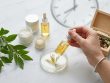
Bamboo is everywhere in the beauty aisle. You see it in toothbrushes, makeup brush handles, cotton swab sticks, and even face cloths. It looks natural. It feels sturdy. And it comes with labels that scream “sustainable” and “earth friendly.” But before you toss your plastic spatula for a bamboo one, there is a bigger picture to look at. The truth about bamboo beauty products is more complicated than the marketing suggests.
Bamboo is a renewable resource that grows fast without pesticides, making it a strong alternative to plastic. But eco-friendliness depends on how it is harvested, processed, and shipped. Many bamboo beauty products still use glues, varnishes, or mixed materials that make them non-compostable. The most sustainable choice is a product that is 100% bamboo, minimally processed, and sourced locally.
The Real Environmental Score of Bamboo
Bamboo gets a lot of hype for being a “miracle grass.” And in many ways, that reputation is earned. It grows incredibly fast. Some species can shoot up three feet in a single day. It does not need fertilizer or pesticides to thrive. It regenerates from its own root system, so farmers do not need to replant after harvest. That sounds like a dream crop.
But here is where the nuance comes in. The way bamboo is turned into a beauty product matters just as much as how it grows. When manufacturers turn bamboo into a soft, silky fabric (often called bamboo rayon or bamboo viscose), they use harsh chemical solvents like sodium hydroxide and carbon disulfide. Those chemicals are bad for factory workers and the environment if not handled properly. So a bamboo makeup remover pad that feels like silk might actually have a heavier carbon footprint than a plain organic cotton one.
For solid bamboo items like brush handles or jars, the main concern is the finish. Many bamboo beauty products are coated with polyurethane or epoxy to make them waterproof. That coating turns a biodegradable plant into a piece of trash that will sit in a landfill for decades. If you want to compost your bamboo brush handle, it needs to be raw or finished with a natural oil like linseed or beeswax.
How to Tell If Your Bamboo Product Is Actually Green
You do not need a degree in materials science to spot the real deal. You just need to know what to look for on the label and what questions to ask. Here is a simple checklist you can run through before you buy.
- Check the material composition. Is it 100% bamboo or a blend? Some “bamboo” brushes use plastic handles with a bamboo veneer. That is just greenwashing.
- Look for the finish. If the product feels glossy or plasticky, it is likely sealed with a synthetic coating. Raw or oil-finished bamboo is better.
- Ask about the processing. For fabric items like bamboo wipes or cloths, look for “bamboo linen” or “mechanically processed bamboo.” That means no harsh chemicals were used.
- Consider the packaging. A bamboo product wrapped in a plastic clamshell defeats the purpose. Look for cardboard or paper packaging.
- Check the source. Bamboo shipped from China to the United States has a transportation carbon cost. Locally sourced bamboo or regionally made products are greener.
The Hidden Trade Offs of Bamboo Beauty Tools
Bamboo is not a perfect material. It has some genuine downsides that eco-conscious shoppers need to weigh. For example, bamboo makeup brush handles are lighter than wood, but they can crack or split if they get wet repeatedly. That means you might replace them more often. A well-made plastic brush can last for years. A bamboo brush might only last for one or two if you are not careful with drying it.
Here is a comparison table to help you see the trade offs side by side.
| Aspect | Bamboo Beauty Products | Plastic Beauty Products |
|---|---|---|
| Raw material growth | Renewable, fast, no pesticides | Non-renewable petroleum |
| Biodegradability | High (if uncoated) | Extremely low (hundreds of years) |
| Durability | Moderate (can crack or warp) | High (very long lasting) |
| Chemical processing | High for rayon, low for solid items | High for manufacturing |
| End of life | Can compost or biodegrade | Must be recycled or landfilled |
| Cost | Often higher | Usually lower |
The math changes depending on the product category. A bamboo toothbrush that lasts three months and then gets composted is a clear win over a plastic one that sits in a landfill. But a bamboo makeup brush that cracks after six months and gets tossed might be less eco-friendly than a high-quality synthetic brush you keep for five years.
What the Experts Say About Bamboo in Beauty
We spoke with a sustainable materials researcher at a university in California who studies bio-based packaging. Here is what she had to say.
“Bamboo is one of the most promising alternatives to plastic, but only when it is used thoughtfully. The biggest mistake consumers make is assuming that any product labeled ‘bamboo’ is automatically good for the planet. You need to look at the full lifecycle. A bamboo jar that is lined with a plastic seal is not biodegradable. A bamboo brush with nylon bristles is not compostable. The material is only as green as the entire product design.”
That advice lines up with what we see on the market. Many bamboo beauty products mix materials. A bamboo cotton swab might use a plastic stick with a bamboo-colored coating. A bamboo lip balm tube might have an aluminum inner sleeve. These hybrids are hard to recycle and impossible to compost.
3 Steps to Verify a Bamboo Beauty Product Before You Buy
Follow this process the next time you are shopping online or in a store. It takes two minutes and saves you from greenwashing.
- Read the full ingredient or material list. Do not stop at the front of the package. Flip it over. If it says “bamboo powder” or “bamboo fiber” mixed with polypropylene, it is a plastic product with a sprinkle of bamboo.
- Search for third party certifications. Look for labels like FSC (Forest Stewardship Council) for the bamboo source, or Cradle to Cradle for the overall product design. These certifications mean a real audit happened.
- Contact the brand directly. Send a quick email or DM. Ask them: “Is your bamboo product compostable in a home compost bin? What finish or coating is used?” Brands that are truly sustainable will answer clearly. Brands that are vague are hiding something.
When Bamboo Is the Better Choice
There are some beauty categories where bamboo is a clear winner over plastic or even glass. If you are comparing a bamboo toothbrush to a plastic one, bamboo wins almost every time. The same goes for cotton swabs. Bamboo swabs with paper sticks and organic cotton tips are a fantastic swap.
Bamboo makeup brush handles are a good choice if you take care of them. Keep them dry between uses. Do not soak them in water. Wipe the handle with a dry cloth after washing the bristles. With proper care, a bamboo brush handle can last for years.
Bamboo jars and containers are great for dry products like bath salts, body powders, or solid shampoo bars. But avoid them for anything wet or oily unless the bamboo is lined with glass or stainless steel. Unlined bamboo will absorb moisture and grow mold.
The Biggest Greenwashing Trap to Avoid
The most common trick beauty brands use is the “bamboo fiber” label. You will see it on face wipes, sheet masks, and disposable pads. The term “bamboo fiber” sounds natural. But in almost all cases, that fiber is actually bamboo rayon. It is made by dissolving bamboo pulp in toxic chemicals and spinning it into threads. The process creates hazardous wastewater.
These products are not biodegradable in the same way raw bamboo is. They are also not recyclable. So that pack of “bamboo face wipes” you bought might be worse for the environment than a pack of organic cotton wipes. The marketing is clever, but the reality is different.
If you want a truly sustainable option for disposable beauty wipes, look for unbleached hemp or organic cotton. Or better yet, switch to a reusable bamboo cloth. A single reusable bamboo cloth can replace hundreds of disposable wipes. That is where the real environmental savings are.
How to Make Your Bamboo Beauty Products Last Longer
Getting the most out of your bamboo tools is the most eco-friendly thing you can do. A product that lasts is always greener than a product that needs replacing. Here are some care tips specific to bamboo.
- Wash bamboo brush handles by hand with mild soap. Do not put them in the dishwasher.
- Dry bamboo items immediately after washing. Do not let them sit in a wet cup or on a damp counter.
- Apply a thin layer of mineral oil or beeswax to raw bamboo handles every few months. This prevents cracking.
- Store bamboo products in a dry, cool place. Avoid bathrooms with high humidity if possible.
- If a bamboo item starts to splinter, sand it gently with fine grit sandpaper and re-oil it.
These habits will double or triple the lifespan of your bamboo beauty tools. And that makes the eco-friendly choice even better.
The Verdict on Bamboo Beauty in 2026
So are bamboo beauty products eco-friendly? The honest answer is: it depends. Bamboo itself is a fantastic renewable resource. But the way it is processed and the other materials it is combined with can cancel out those benefits. Your job as a shopper is to look past the green label and check the details.
Choose solid, uncoated bamboo items when you can. Avoid bamboo rayon and bamboo fiber blends unless they are certified as closed-loop processed. Take care of your bamboo tools so they last. And remember that the most sustainable product is always the one you already own.
If you are building a more sustainable beauty routine, start with one swap at a time. Replace your plastic toothbrush with a bamboo one. Try a reusable bamboo makeup remover pad. See how it feels. Once you get the hang of spotting real eco-friendly bamboo versus the greenwashed stuff, you will make better choices for your skin and the planet.