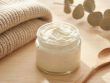
Your skin feels tight, flushed, and a little angry. Maybe it is the changing seasons, a new product that did not agree with you, or just your skin’s natural sensitivity acting up. You want relief, but you do not want to slather on another complicated cream that might make things worse. That is where the simplest things shine brightest. A soothing oatmeal honey face mask for redness is one of the most gentle, effective, and natural ways to calm your complexion fast. It uses ingredients you probably already have in your pantry, and it takes just minutes to prepare.
This three-ingredient mask combines colloidal oatmeal, raw honey, and a splash of warm water to reduce facial redness and inflammation. Oatmeal contains avenanthramides, which are powerful anti-inflammatory compounds that calm irritated skin. Honey acts as a natural humectant and antibacterial agent, drawing moisture in while protecting the skin barrier. Use this mask two to three times per week for best results. Always patch test first, especially if you have very reactive skin.
Why This Simple Mask Works So Well
The beauty of this recipe lies in its science. You do not need a dozen exotic oils or expensive serums to see a real difference. Oatmeal and honey have been used for centuries in traditional skincare for a reason.
Oatmeal is more than just breakfast. When ground into a fine powder (colloidal oatmeal), it creates a protective film on the skin. This film helps lock in moisture and acts as a buffer against irritants. The star players here are avenanthramides. These are unique antioxidants found almost exclusively in oats. They help reduce the itch and sting of inflammation. Oatmeal also contains saponins, which gently cleanse without stripping your skin’s natural oils.
Raw honey is a skincare powerhouse. It is a natural humectant, meaning it pulls moisture from the air into your skin. This is crucial for redness, because dehydrated skin often looks redder and feels tighter. Honey also has natural antibacterial properties. This helps keep any surface bacteria in check without harsh chemicals. The enzymes in raw honey gently exfoliate dead skin cells, which can make redness look less prominent over time.
Together, they form a team that hydrates, soothes, and protects. It is a mask for sensitive skin that actually delivers on its promise.
How to Make Your Soothing Oatmeal Honey Face Mask
Making this mask is almost as relaxing as wearing it. Follow these steps for the perfect consistency and application.
What You Will Need
- 1 tablespoon of plain rolled oats (not instant oatmeal packets with added sugar or flavor)
- 1 teaspoon of raw, unprocessed honey (local honey is great if you can find it)
- 1 to 2 teaspoons of warm water (filtered or distilled is best)
- A small bowl and a spoon
- A clean facecloth
Step by Step Instructions
-
Grind the oats into a fine powder. Place the rolled oats in a clean coffee grinder, spice grinder, or blender. Pulse until you have a flour-like consistency. This step is important. Whole oats can be too scratchy for sensitive, red skin. A fine powder ensures the mask feels silky and spreads evenly. If you do not have a grinder, you can buy pre-ground colloidal oatmeal at most drugstores.
-
Mix the dry and wet ingredients. In your small bowl, combine the ground oatmeal with the raw honey. Stir them together with your spoon. The mixture will be thick and a little sticky at this point.
-
Add warm water slowly. Pour in one teaspoon of warm water and mix. You are looking for a paste that is spreadable but not runny. It should feel like a thick pudding. If it is too thick, add the second teaspoon of water. If it gets too thin, add a pinch more oatmeal. The goal is a smooth, creamy texture that will stay on your face without dripping.
-
Apply to clean, damp skin. Wash your face with a gentle cleanser and pat it dry, leaving it slightly damp. Using your clean fingers, spread the mask evenly over your face. Avoid the delicate eye area. A thin, even layer is all you need.
-
Relax and let it work. Leave the mask on for 10 to 15 minutes. You might feel a slight warming sensation from the honey, but it should not sting. If you feel any irritation, rinse it off immediately.
-
Rinse with lukewarm water. Use your clean facecloth dampened with warm water to gently wipe the mask away. Do not scrub. Use soft, circular motions. Follow up with your favorite moisturizer to seal in the hydration.
Common Mistakes to Avoid
Even a simple recipe can go wrong if you rush it. Here is a table of what to do and what to skip.
| Do This | Avoid This |
|---|---|
| Use raw or organic honey for maximum benefits | Processed honey from a plastic bear bottle (it lacks active enzymes) |
| Grind oats into a fine powder | Use whole or steel-cut oats (they can scratch sensitive skin) |
| Patch test on your inner arm before your face | Apply directly to a full face of active breakouts or broken skin |
| Leave the mask on for 10 to 15 minutes only | Leave it on until it dries completely (this can pull moisture out) |
| Rinse with lukewarm water and a soft cloth | Rinse with hot water or scrub aggressively with a rough towel |
When to Use This Mask for Best Results
Consistency matters more than intensity. Using this soothing oatmeal honey face mask for redness two to three times per week will give you the most noticeable improvement.
- After a long day in the wind or sun. The mask will help cool down overheated skin.
- In the evening as part of your wind-down routine. The gentle ritual can be calming for your mind, too.
- When your skin feels tight after using a strong active ingredient. If you use retinol or acids, this mask can help restore balance on your off nights.
Do not use this mask if you have an open wound, a severe allergic reaction, or if you know you are allergic to oats or bee products. Always do a patch test first. Place a small amount behind your ear or on your inner forearm. Wait 24 hours to check for any reaction.
Expert Advice: “For extra soothing power, try using cool water instead of warm when mixing your mask. The cool temperature helps constrict blood vessels on the surface of the skin, which can reduce the appearance of redness immediately. Think of it like a gentle facial cold plunge.” — Cosmetics Now Skincare Team
What to Look for in Your Oatmeal and Honey
Not all oats and honey are created equal. Here is what to grab from your kitchen.
For the oats:
– Look for plain rolled oats or steel-cut oats that you grind yourself.
– Avoid instant oatmeal packets. They contain sugar, salt, and flavorings that can irritate your skin.
– Certified gluten-free oats are a good choice if you have a gluten sensitivity. Gluten can sometimes cause a reaction when applied topically for people with celiac disease.
For the honey:
– Raw, unfiltered honey is best. It still contains all the natural enzymes and bee pollen that give it healing properties.
– Manuka honey is a great option if you have it. It has higher antibacterial activity than regular honey.
– Do not use honey that has crystallized or fermented. It will not work as well.
A Gentle Routine for Sensitive Skin
This mask works best when it is part of a larger, gentle skincare routine. If you struggle with persistent redness, consider pairing this mask with a complete step-by-step guide to building your first skincare routine. Focus on products that support your skin barrier.
- Use a creamy, non-foaming cleanser in the morning and evening.
- Apply a simple moisturizer with ceramides or niacinamide after rinsing off the mask.
- Always wear a mineral sunscreen with zinc oxide during the day. Redness is often made worse by sun exposure.
- Avoid layering this mask with other active treatments on the same day. Give your skin a break.
Why Your Skin Barrier Loves This Mask
Think of your skin barrier as a brick wall. The skin cells are the bricks, and the natural oils are the mortar. When the mortar gets weak, moisture leaks out and irritants get in. That is when you see redness, flaking, and sensitivity.
This oatmeal and honey mask helps repair that mortar. The oatmeal provides fats and proteins that mimic the skin’s natural structure. The honey draws moisture back into the cells. Together, they strengthen the wall. Over time, your skin becomes more resilient and less reactive. If you want to learn more about protecting this barrier, read about why your skin barrier matters and how to repair it fast.
Your First Mask Is Waiting
You do not need a complicated routine to see real changes in your skin. Sometimes the answer is already sitting in your kitchen cabinet. This soothing oatmeal honey face mask for redness is proof that gentle, natural ingredients can be just as powerful as anything in a fancy jar. Take five minutes tonight to mix up a batch. Your skin will thank you with a calmer, more balanced look tomorrow.