You’ve probably seen peptides listed on every other serum bottle lately. They’re everywhere, from drugstore brands to luxury counters. But unlike hyaluronic acid or vitamin C, peptides aren’t exactly self-explanatory. They sound scientific and complicated, which makes you wonder if they’re actually doing anything or just adding to the marketing hype.
Peptides are short chains of amino acids that signal your skin to produce more collagen, elastin, and other proteins. They work gradually over weeks to improve firmness, reduce fine lines, and support skin repair. Not all peptides do the same thing, so choosing the right type for your specific concerns matters more than simply buying any product with peptides listed.
What peptides actually are and how they work
Peptides are fragments of proteins. Think of them as messengers that tell your skin cells what to do.
When you apply peptides topically, they can signal your skin to ramp up collagen production, strengthen the skin barrier, or reduce inflammation. Different peptides send different messages.
Your skin naturally produces collagen when it’s young. As you age, that production slows down. Peptides can help nudge that process back into gear, though they won’t reverse decades of aging overnight.
The science is solid. Studies show that certain peptides can improve skin texture, reduce wrinkle depth, and increase firmness when used consistently over several weeks. But results depend heavily on the specific peptides used, their concentration, and how well they’re formulated.
Types of peptides and what each one does
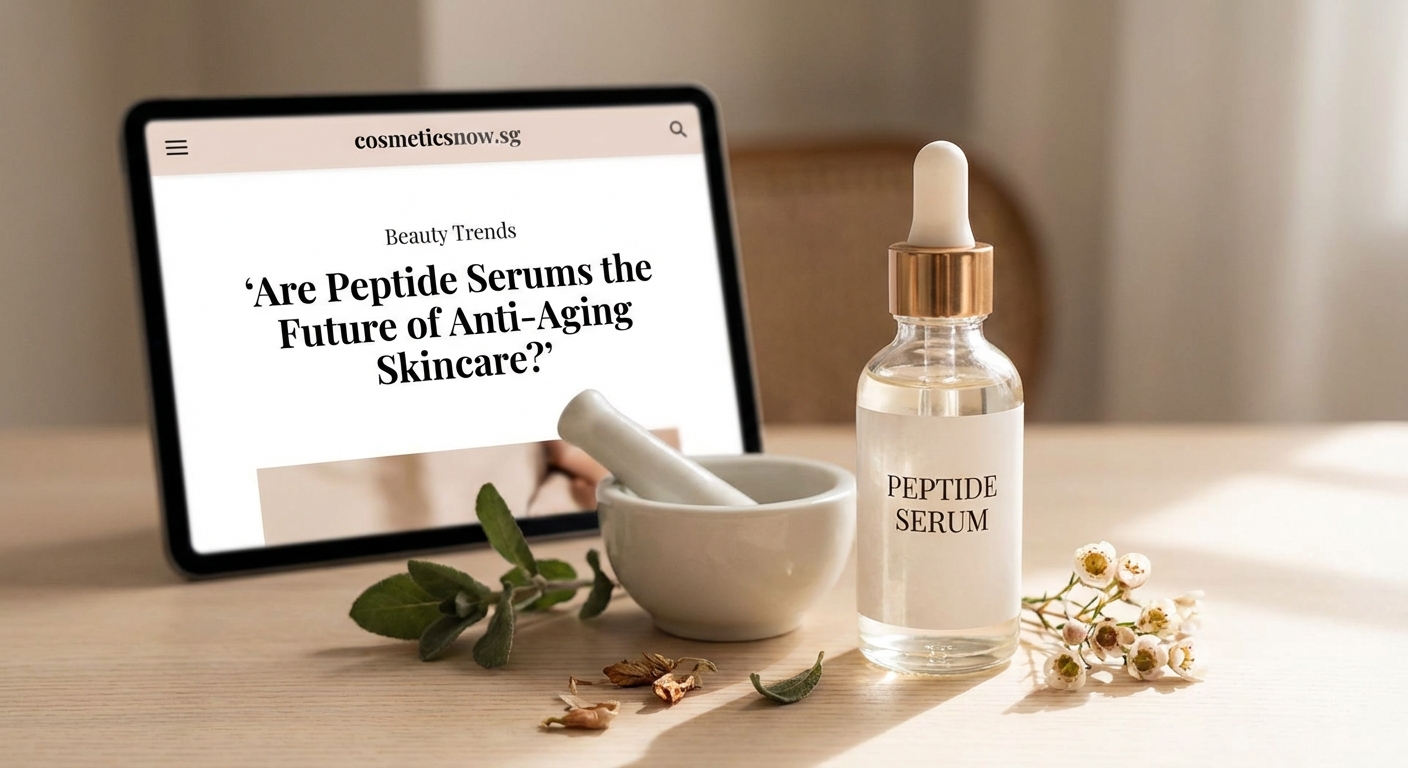
Not all peptides are created equal. Each type has a specific job.
Signal peptides tell your skin to make more collagen and elastin. These are the ones most associated with anti-aging. Palmitoyl pentapeptide (also called Matrixyl) is one of the most researched signal peptides.
Carrier peptides deliver trace minerals like copper to your skin, which helps with wound healing and enzyme function. Copper peptides fall into this category and are known for their skin-repairing properties.
Neurotransmitter peptides work similarly to Botox by relaxing facial muscles. Acetyl hexapeptide-8 (Argireline) is the most common. It won’t give you the same results as injections, but it can soften expression lines with regular use.
Enzyme-inhibitor peptides slow down the breakdown of collagen. They protect what you already have rather than building new collagen.
When you’re shopping for a peptide serum, check the ingredient list. The best products often contain multiple types of peptides to address different aspects of aging.
How to use peptides in your routine
Peptides are gentle and play well with most other ingredients. That makes them easy to incorporate.
Apply peptide serums after cleansing and toning but before heavier creams or oils. They work best on slightly damp skin because the moisture helps with absorption.
You can use peptides morning and night. They don’t make your skin photosensitive like retinol or certain acids do.
Layering peptides with other actives is generally safe. They pair especially well with hyaluronic acid, niacinamide, and antioxidants like vitamin C. If you’re using how to properly layer your serums for maximum skin benefits, peptides typically go in the middle of your serum lineup.
Avoid mixing peptides with very low pH products like strong AHAs or BHAs in the same step. The acidic environment can break down peptide chains before they penetrate your skin. If you use acids, apply them first, wait a few minutes, then follow with your peptide serum.
“Peptides need time to work. Most clinical studies show visible improvements after 8 to 12 weeks of consistent use. If you’re not seeing results after a month, don’t give up. Keep going.”
Step-by-step guide to adding peptides to your skincare
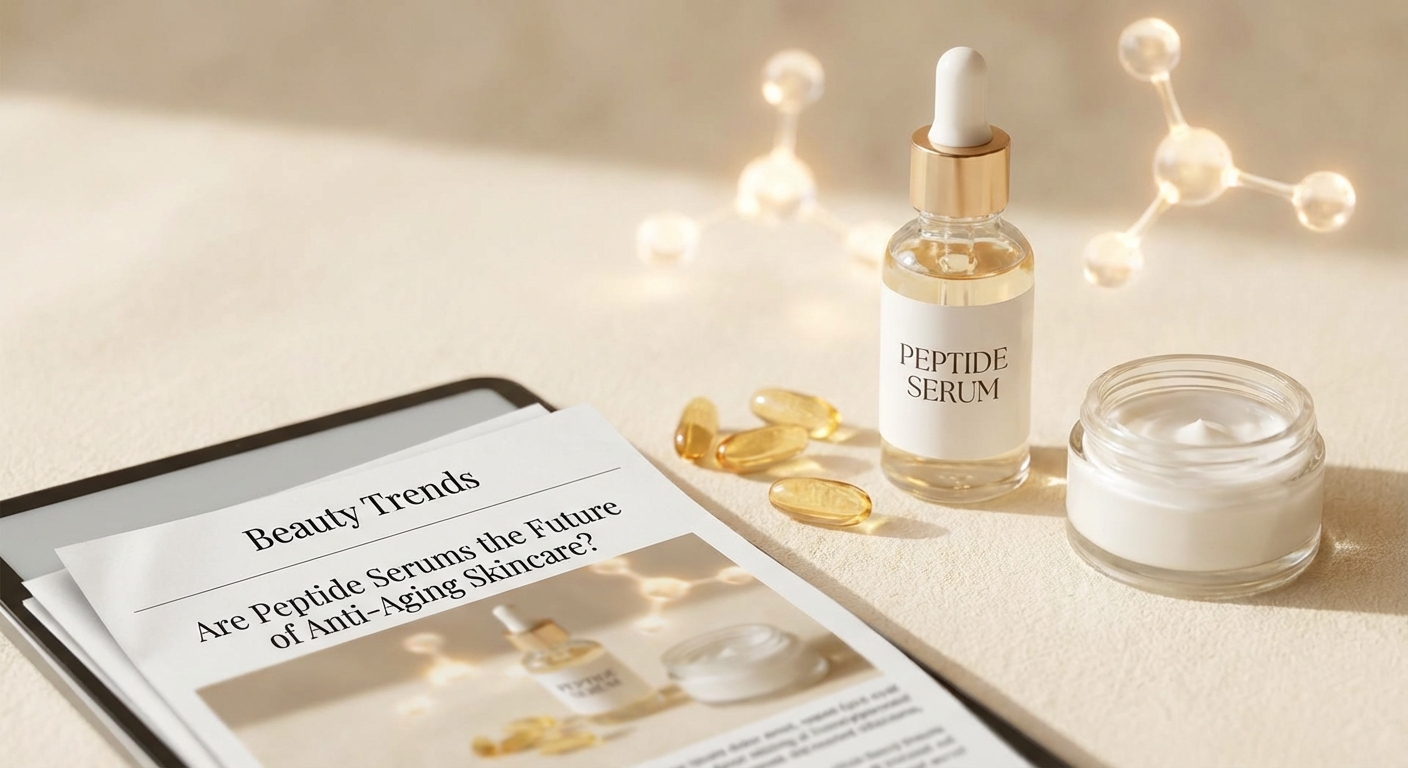
Here’s how to introduce peptides without overwhelming your skin or your routine.
-
Start with one peptide product. Choose a serum or moisturizer that lists peptides in the first five ingredients. Don’t buy five different peptide products at once.
-
Patch test for three days. Apply a small amount to your inner arm or behind your ear. Peptides rarely cause reactions, but it’s smart to check first.
-
Use it consistently for at least two months. Apply your peptide product every morning or night, or both. Set a reminder if you need to. Consistency matters more than concentration.
-
Track your progress with photos. Take a selfie in the same lighting every two weeks. It’s hard to notice gradual changes in the mirror, but photos don’t lie.
-
Adjust based on results. If you’re seeing improvement, keep going. If nothing changes after three months, try a product with different peptides or a higher concentration.
Common mistakes that make peptides less effective
Even the best peptide serum won’t work if you’re sabotaging it without realizing it.
Mistake: Using expired products. Peptides degrade over time, especially when exposed to light and air. Check expiration dates and store your serum in a cool, dark place. If the texture or smell changes, toss it.
Mistake: Expecting instant results. Peptides aren’t fillers. They work at the cellular level, which takes time. If you want overnight plumping, reach for hyaluronic acid instead.
Mistake: Skipping sunscreen. Peptides help build collagen, but UV exposure breaks it down faster than peptides can rebuild it. Sunscreen is non-negotiable.
Mistake: Overloading your routine. Adding peptides, retinol, three acids, and vitamin C all at once will irritate your skin and make it hard to tell what’s working. Introduce one new active at a time.
| What works | What doesn’t |
|---|---|
| Consistent daily use for 8+ weeks | Using peptides sporadically when you remember |
| Pairing with sunscreen and moisturizer | Skipping basic skincare steps |
| Choosing products with multiple peptide types | Assuming all peptides do the same thing |
| Storing in a cool, dark place | Leaving the bottle open or in direct sunlight |
| Layering with compatible actives | Mixing with very low pH products immediately |
How to choose the right peptide product for your skin
The peptide skincare market is crowded. Here’s what to look for when you’re comparing options.
Check the ingredient list. Peptides should appear in the first five ingredients. If they’re listed near the end, the concentration is probably too low to do much.
Look for multiple peptide types. Products that combine signal peptides, carrier peptides, and enzyme inhibitors tend to deliver more comprehensive results.
Consider the formula. Peptides need to penetrate your skin to work. Lightweight serums absorb better than thick creams, though peptide-infused moisturizers can still be effective if formulated well.
Avoid products with lots of fragrance or essential oils. These can irritate your skin and interfere with peptide stability.
Read reviews from people with your skin type. What works for oily skin in your 30s might not work for dry skin in your 50s. Look for reviewers who share your concerns and age range.
If you’re building a complete anti-aging routine, consider how peptides fit alongside other actives. The ultimate guide to choosing serums for your specific skin concerns can help you create a balanced lineup.
What to expect when using peptides
Peptides work slowly and subtly. Don’t expect dramatic before-and-after photos like you’d see with professional treatments.
Most people notice their skin feels smoother and more hydrated within the first few weeks. That’s often due to other ingredients in the formula, not the peptides themselves.
Around week six to eight, you might see a slight improvement in fine lines, especially around your eyes and mouth. Your skin may look a bit firmer and more plump.
By week 12, the changes become more obvious. Expression lines soften. Your skin texture looks more refined. The overall appearance is healthier and more resilient.
Peptides won’t erase deep wrinkles or replace professional treatments like laser or microneedling. But they can slow down visible aging and improve your skin’s ability to repair itself.
Some people see better results than others. Genetics, lifestyle, sun damage history, and how consistently you use the product all play a role.
Peptides versus other anti-aging ingredients
You’re probably wondering how peptides stack up against retinol, vitamin C, and other proven actives.
Peptides versus retinol: Retinol is stronger and works faster, but it can irritate sensitive skin. Peptides are gentler and better for people who can’t tolerate retinoids. You can use both together for a more comprehensive approach.
Peptides versus vitamin C: Vitamin C brightens and protects against free radicals. Peptides focus on collagen production and skin repair. They complement each other well and can be used in the same routine.
Peptides versus hyaluronic acid: Hyaluronic acid hydrates and plumps immediately. Peptides build long-term structural support. Use hyaluronic acid for instant smoothness and peptides for gradual firming.
Peptides versus niacinamide: Niacinamide strengthens the skin barrier, reduces redness, and regulates oil production. Peptides target collagen and elastin. They work beautifully together and rarely cause conflicts.
If you’re trying to decide between peptides and another active, consider your primary concern. For wrinkles and firmness, peptides are a solid choice. For discoloration, reach for vitamin C. For texture and acne, try retinol or niacinamide.
Best practices for combining peptides with other products
Peptides are team players, but you still need to layer them thoughtfully.
- Apply water-based serums before oil-based products. Peptides are typically water-soluble, so they should go on early in your routine.
- Wait a minute or two between steps if you’re using multiple actives. This gives each product time to absorb without diluting the next one.
- Use peptides with hydrating ingredients like hyaluronic acid, glycerin, or ceramides. Hydration improves peptide absorption and overall results.
- Pair peptides with antioxidants during the day. Vitamin C, vitamin E, and ferulic acid protect your skin while peptides repair it.
- Combine peptides with retinol at night if your skin can handle it. Start with a low-strength retinol and use it on alternate nights until your skin adjusts.
If you’re following how to build a nighttime skincare routine for every skin type, peptides fit perfectly after cleansing and before your heavier night cream.
When you’ll see results and what to do if you don’t
Patience is key with peptides. Most studies show measurable improvements after 8 to 12 weeks of twice-daily use.
If you’ve been using a peptide product consistently for three months and see zero change, here’s what to check.
Is the concentration high enough? Some products contain only trace amounts of peptides. Look for serums where peptides are listed in the top three to five ingredients.
Are you using it correctly? Applying peptides over dirty skin or under heavy occlusives can block absorption. Make sure your skin is clean and slightly damp when you apply them.
Is the product fresh? Peptides degrade over time. If your serum is more than a year old or has been stored in a hot bathroom, it might have lost potency.
Are other factors undermining your results? If you’re not wearing sunscreen, smoking, or getting terrible sleep, no skincare ingredient will work miracles.
Do you need a different peptide type? If you’ve been using a neurotransmitter peptide for expression lines but your main concern is sagging, switch to a signal peptide instead.
Sometimes the issue isn’t the peptides themselves but unrealistic expectations. Peptides improve skin quality gradually. They won’t give you the same results as injectables or professional treatments.
Who benefits most from peptide skincare
Peptides work for most skin types and ages, but some people see more dramatic results than others.
People in their 30s and 40s often get the best results. Your skin is starting to slow collagen production, but the damage isn’t too advanced yet. Peptides can help maintain what you have and slow further decline.
Sensitive skin types appreciate peptides because they’re gentle and rarely cause irritation. If retinol makes your skin red and flaky, peptides are a great alternative.
Post-procedure skin benefits from peptides’ healing properties. After microneedling, laser treatments, or chemical peels, peptides can support faster recovery and better results.
Anyone building a preventative routine should consider peptides. You don’t need to wait until you have wrinkles. Starting peptides in your late 20s or early 30s can help maintain firmness longer.
Mature skin can still benefit, though results may be subtler. Peptides won’t reverse decades of sun damage, but they can improve texture and resilience.
If you’re just starting to think about anti-aging, the complete step-by-step guide to building your first skincare routine can help you build a solid foundation before adding actives like peptides.
Budget-friendly ways to try peptides
You don’t need to spend a fortune to see if peptides work for you.
The Ordinary offers several affordable peptide serums. Their Buffet serum combines multiple peptide types and costs under $20. It’s a great starting point.
The Inkey List has a Collagen Peptide Serum that’s budget-friendly and well-formulated. It pairs peptides with collagen-supporting ingredients.
CeraVe and Olay both make drugstore moisturizers with peptides. They’re not as concentrated as dedicated serums, but they’re accessible and effective for maintenance.
Sample sizes and trial sets let you test higher-end peptide products without committing to full-size bottles. Many brands offer discovery kits with multiple products.
One good peptide serum is better than five mediocre products. If your budget allows, invest in one well-formulated peptide serum and use it consistently rather than buying multiple cheap options that might not work.
Remember that the most expensive product isn’t always the most effective. Concentration and formulation matter more than price tag.
Real talk about peptides and realistic expectations
Peptides are not magic. They won’t replace Botox or fillers. They won’t erase deep wrinkles or lift sagging jowls.
What they can do is improve your skin’s overall quality over time. Your skin will look healthier, feel smoother, and show fewer fine lines with consistent use.
Think of peptides as part of a long-term maintenance plan, not a miracle cure. They work best when combined with sunscreen, a solid basic routine, and healthy lifestyle habits.
If you’re comparing your skin to filtered Instagram photos or expecting overnight transformation, you’ll be disappointed. But if you’re looking for gradual, sustainable improvement, peptides deliver.
The best approach is to use peptides alongside other proven ingredients. Retinol for cell turnover, vitamin C for brightness, peptides for collagen support, and sunscreen to protect it all.
Making peptides work for your specific concerns
Different skin concerns benefit from different peptide approaches.
For fine lines and wrinkles: Look for signal peptides like palmitoyl pentapeptide or copper peptides. Use them twice daily and pair with retinol at night if your skin tolerates it.
For loss of firmness: Combine signal peptides with ingredients that support elastin production, like niacinamide. Consistent use over several months is essential.
For sensitive, reactive skin: Choose peptide products with minimal additional actives. Avoid formulas with fragrance, essential oils, or high concentrations of acids.
For post-inflammatory marks or acne scars: Copper peptides can support healing and skin repair. Pair them with gentle exfoliation and vitamin C for better results. 10 dermatologist-approved solutions for stubborn acne scars offers more targeted strategies.
For dull, tired-looking skin: Peptides combined with hydrating ingredients like hyaluronic acid and glycerin can improve radiance and texture. Transform dull skin into radiant glow with these nighttime habits provides additional tips.
Your peptide skincare routine at every age
Your approach to peptides should evolve as your skin changes.
In your 20s: If you’re starting early, use a lightweight peptide serum a few times a week. Focus on prevention and building good habits.
In your 30s: This is when peptides really shine. Use a peptide serum daily, morning or night. Combine with sunscreen and antioxidants during the day.
In your 40s: Increase frequency to twice daily if your skin tolerates it. Layer peptides with retinol at night for more comprehensive anti-aging support.
In your 50s and beyond: Peptides can still improve skin quality, but you may need to combine them with stronger actives or professional treatments for visible results. Focus on hydration and barrier repair alongside peptide use.
Age is just one factor. Your skin’s condition, lifestyle, and genetics matter just as much. Pay attention to how your skin responds and adjust accordingly.
Why peptides deserve a place in your routine
Peptides won’t replace your entire skincare lineup, but they fill an important gap. They’re gentle enough for sensitive skin, effective enough to show results, and versatile enough to work with other actives.
If you’re serious about maintaining healthy, resilient skin as you age, peptides are worth the investment. Start with one well-formulated product, use it consistently, and give it time to work. Your skin will thank you three months from now.