You’ve probably heard conflicting advice about hair washing. Some people swear by daily shampooing, while others go a week between washes. The truth is, there’s no one-size-fits-all answer. Your ideal washing schedule depends on your hair type, scalp condition, lifestyle, and even where you live.
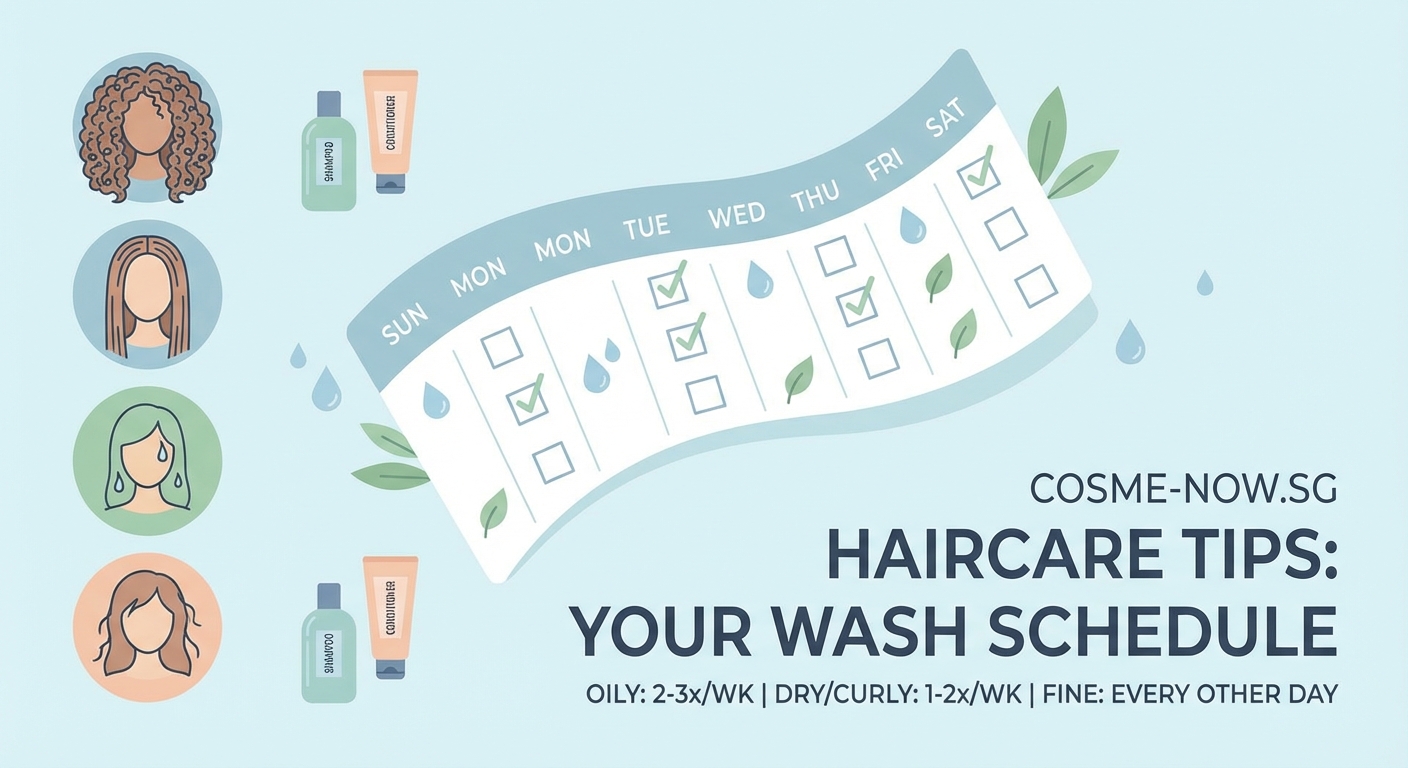
Most people should wash their hair every 2-3 days, but your perfect schedule varies based on hair type, oil production, activity level, and styling habits. Fine or oily hair may need daily washing, while thick, curly, or textured hair thrives with weekly washes. Listen to your scalp, watch for buildup, and adjust your routine seasonally for healthier, stronger hair.
Understanding Your Hair Type and Oil Production
Your scalp produces sebum, a natural oil that protects and moisturizes your hair. Some people produce more than others, and this is the biggest factor in determining your washing frequency.
Fine, straight hair shows oil faster because sebum travels down the hair shaft easily. If you have this hair type, you might notice greasiness by day two.
Thick, curly, or coily hair takes longer for oils to travel from root to tip. These textures often benefit from less frequent washing because the natural oils help maintain moisture and prevent breakage.
Here’s how different hair types typically respond to washing schedules:
| Hair Type | Recommended Frequency | Why This Works |
|---|---|---|
| Fine, straight | Every 1-2 days | Oil spreads quickly, hair looks limp when oily |
| Medium, wavy | Every 2-3 days | Balanced oil distribution, manageable texture |
| Thick, curly | Every 3-5 days | Needs natural oils for moisture, prone to dryness |
| Coily, textured | Every 5-7 days | Natural oils take longest to travel, requires moisture retention |
| Color-treated | Every 3-4 days | Frequent washing strips color faster |
Signs You’re Washing Too Often
Over-washing strips your scalp of natural oils. Your body responds by producing even more oil to compensate, creating a frustrating cycle.
Watch for these warning signs:
- Hair feels dry and brittle despite looking oily at the roots
- Scalp feels tight or itchy after washing
- Color fades faster than expected
- Split ends appear more frequently
- Hair breaks easily when brushing
Your scalp might also become irritated or flaky. This happens because constant washing disrupts your skin’s natural pH balance.
Just like building a proper skincare routine requires understanding your skin type, creating the right hair washing schedule means knowing your scalp’s needs.
Signs You’re Not Washing Enough
Under-washing comes with its own set of problems. Product buildup, excess oil, and dead skin cells can clog hair follicles and slow growth.
Look for these indicators:
- Visible flakes or buildup on your scalp
- Hair feels heavy or looks dull
- Scalp smells unpleasant even when hair looks clean
- Itching that doesn’t go away
- Hair won’t hold styles like it used to
Buildup can also make your hair resistant to treatments and styling products. If your favorite products suddenly stop working, you might need to wash more frequently or use a clarifying shampoo.
Creating Your Personal Washing Schedule
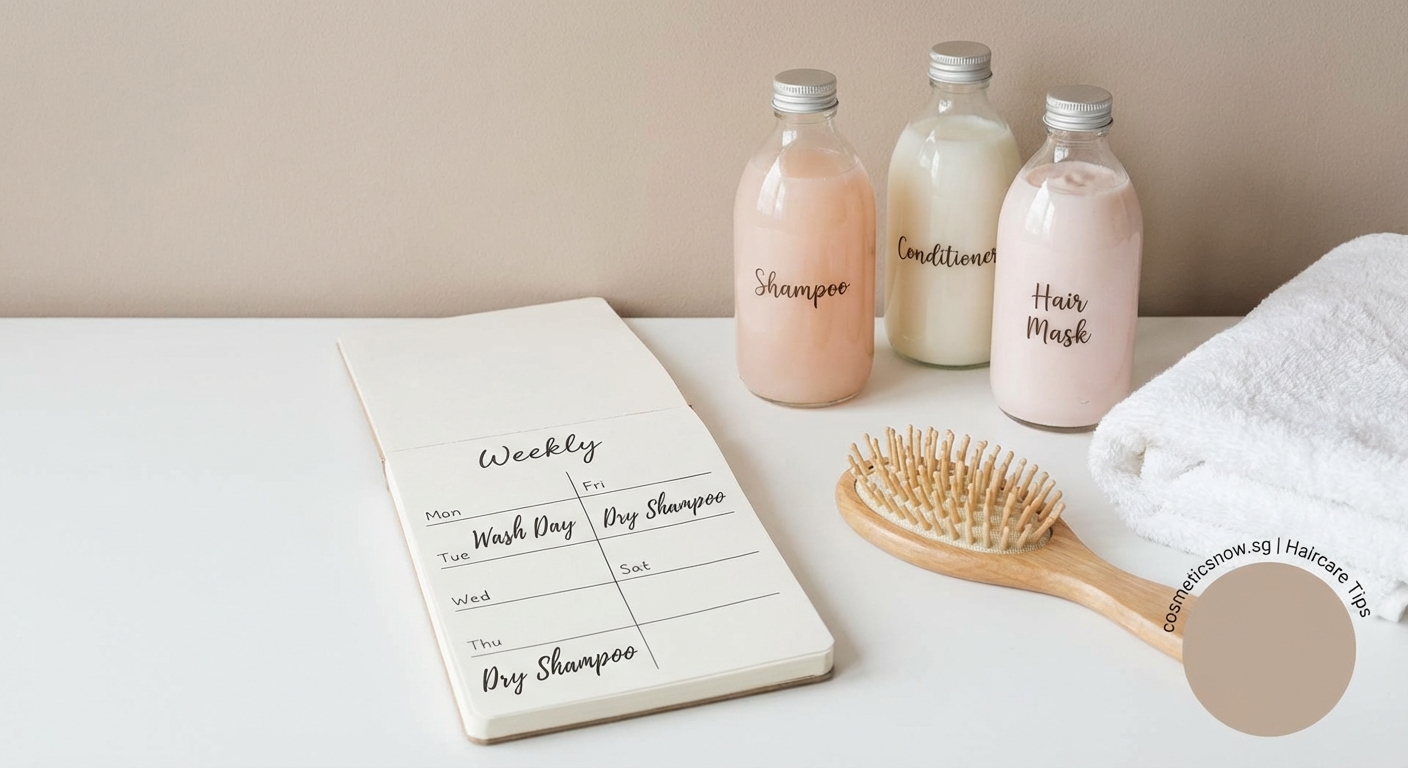
Finding your perfect routine takes experimentation. Start with these steps:
-
Assess your baseline. How does your hair look and feel on day one, two, three, and four after washing? Take notes.
-
Consider your activities. Do you work out daily? Swim regularly? Spend time in humid or polluted environments? These factors increase how often you need to wash.
-
Factor in styling habits. Heavy products like pomades, gels, and dry shampoo require more frequent cleansing than lightweight serums.
-
Adjust gradually. If you currently wash daily but want to stretch it out, add one extra day between washes each week. Your scalp needs time to adjust oil production.
-
Track seasonal changes. You might need more frequent washing in summer when you sweat more, and less in winter when air is drier.
Special Circumstances That Change Everything
Certain situations call for adjustments to your normal routine.
After workouts: If you exercise intensely, you don’t always need a full shampoo. Rinsing with water and applying conditioner to the ends often works fine. Save the shampoo for every other workout.
During illness: Your body chemistry changes when you’re sick. You might produce more oil or sweat more at night. Listen to your body and wash when needed.
After swimming: Chlorine and salt water both damage hair. Always rinse immediately after swimming, and use a clarifying shampoo once weekly if you swim regularly.
During hormonal changes: Pregnancy, menstruation, and menopause all affect oil production. Your usual schedule might not work during these times.
“The best washing schedule is the one that keeps your scalp healthy and your hair looking its best. If your current routine isn’t working, don’t be afraid to change it. Your hair’s needs will evolve throughout your life.” – Trichology Expert, International Hair Research Institute
The Right Way to Wash Your Hair
How you wash matters as much as how often. Poor technique can damage hair even with the perfect schedule.
Water temperature matters. Hot water strips natural oils and can irritate your scalp. Use lukewarm water for washing and finish with a cool rinse to seal the cuticle.
Focus shampoo on your scalp. Your roots produce oil, not your ends. Massage shampoo into your scalp with your fingertips (never nails) and let the suds rinse through your lengths.
Condition the opposite way. Apply conditioner from mid-length to ends, avoiding your roots unless you have very dry hair.
Don’t rush the rinse. Leftover product causes buildup. Spend at least 30 seconds rinsing out each product.
If you’re interested in taking care of your scalp health, check out scalp care routines that complement your washing schedule.
Product Selection for Your Schedule
The products you choose should match your washing frequency.
For daily washers: Use gentle, sulfate-free formulas that won’t strip your hair. Look for moisturizing ingredients like glycerin or aloe.
For 2-3 day schedules: Standard shampoos work well. You can alternate between clarifying and moisturizing formulas.
For weekly washers: Choose rich, hydrating shampoos and deep conditioning treatments. Consider pre-shampoo oil treatments to add extra moisture.
Dry shampoo guidelines: This product extends time between washes but shouldn’t replace actual washing. Use it for one or two days maximum, then cleanse thoroughly. Overuse leads to buildup and scalp issues.
Common Mistakes That Sabotage Your Schedule
Even with the right frequency, these errors can damage your hair:
- Using too much product (a quarter-sized amount of shampoo is usually enough)
- Scrubbing with nails instead of fingertips
- Skipping heat protectant before styling
- Brushing wet hair roughly (use a wide-tooth comb instead)
- Tying wet hair up tightly (this causes breakage)
- Using the same temperature water year-round
Your hair is most vulnerable when wet. Treat it gently during and after washing.
Adjusting for Damaged or Treated Hair
Chemical treatments change everything. Color, bleach, perms, and relaxers all affect how often you should wash.
Color-treated hair: Wash every 3-4 days minimum. More frequent washing strips color faster. Use color-safe, sulfate-free products.
Bleached hair: This is the most fragile hair type. Wash only when necessary, typically every 3-5 days. Focus on moisture and protein treatments between washes.
Chemically straightened or permed: Wait at least 48 hours after treatment before washing. Then stick to 2-3 times weekly to preserve the treatment.
For serious damage, learn about repairing hair naturally alongside adjusting your washing routine.
The Role of Water Quality
Your tap water affects your hair more than you might think. Hard water contains minerals that build up on hair, making it feel rough and look dull.
If you have hard water:
- Install a shower filter to remove minerals
- Use a chelating shampoo monthly to remove buildup
- Rinse with diluted apple cider vinegar occasionally
- Consider washing slightly more often to prevent mineral accumulation
Soft water requires less shampoo because it lathers better. You might find you can wash less frequently with soft water.
Nighttime Habits That Extend Your Schedule
What you do before bed affects how long your hair stays fresh.
Sleep on silk or satin. Cotton pillowcases absorb oils and create friction. Silk helps your hair stay cleaner longer and prevents breakage.
Don’t sleep with wet hair. This leads to breakage and can cause scalp issues. If you must, use a microfiber towel and a loose braid.
Brush before bed. This distributes oils from roots to ends, keeping your scalp fresher and nourishing your lengths.
Use dry shampoo preventatively. Apply it before bed instead of in the morning. It absorbs oil overnight and looks more natural.
When to See a Professional
Sometimes washing frequency isn’t the issue. See a dermatologist or trichologist if you experience:
- Persistent itching or pain
- Sudden increase in hair loss
- Patches of missing hair
- Severe dandruff that doesn’t respond to treatment
- Scalp sores or bleeding
- Changes in hair texture you can’t explain
These symptoms might indicate underlying health issues that require medical attention.
Building Your Complete Hair Care Routine
Your washing schedule is just one piece of a healthy hair routine. Combine it with proper conditioning, regular trims, heat protection, and nighttime habits that promote healthy hair.
Consider using overnight treatments on the nights before you plan to wash. This maximizes the benefits without leaving your hair feeling heavy.
If your hair keeps breaking despite a good washing schedule, investigate why hair breaks and what to do about it.
Making Your Schedule Work Long-Term
The perfect washing routine isn’t static. Your needs change with seasons, age, stress levels, diet, and lifestyle shifts.
Check in with your hair every few months. Ask yourself:
- Does my scalp feel comfortable?
- Does my hair look healthy and shiny?
- Am I dealing with excessive oil or dryness?
- Have my activities or environment changed?
Adjust as needed. What worked in your twenties might not work in your thirties. What worked in winter might not work in summer.
Be patient with transitions. When changing your washing frequency, your scalp needs 2-4 weeks to adjust oil production. The first week might feel uncomfortable, but stick with it unless you experience pain or severe issues.
Your Hair Washing Schedule Starts Today
Finding how often you should wash your hair isn’t about following rigid rules. It’s about understanding your unique hair type, lifestyle, and needs, then creating a schedule that keeps your hair healthy and manageable.
Start by observing your hair for a week. Notice when it looks best and when it starts to feel off. Use that information to build your baseline schedule, then adjust based on the factors we’ve covered. Your hair will tell you what it needs if you pay attention. Trust the process, be patient during the adjustment period, and remember that the goal is healthy hair that makes you feel confident, not following someone else’s routine.