That lipstick shade looked perfect online, but in person it’s all wrong. You send it back without a second thought. But where does it actually go? Most beauty lovers assume returned products get restocked or donated. The reality is far less pretty.
Most returned beauty products end up in landfills, even if unopened. Health regulations prevent resale of cosmetics, skincare, and makeup items that left the warehouse. This creates massive waste: beauty returns generate over 5 billion pounds of landfill waste annually in the U.S. alone. Understanding this hidden cost helps you make smarter purchasing decisions that protect both your wallet and the planet.
The journey of a returned beauty product
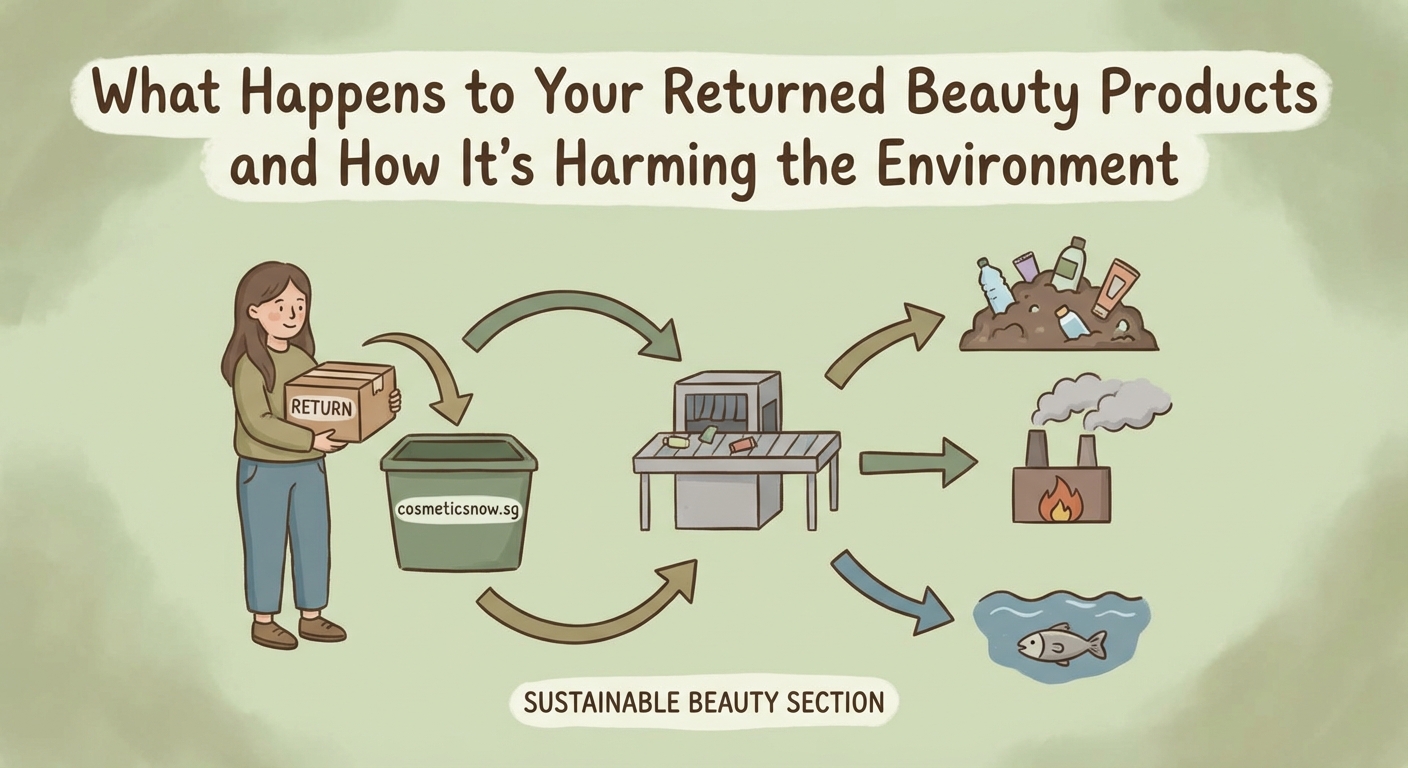
When you drop that foundation bottle in the mail, it begins a journey most brands don’t advertise. Here’s what actually happens.
The product arrives at a returns processing center. Workers inspect the packaging. They check if the seal is broken. They look for signs the product was used or tested.
Here’s where things get wasteful. Even if the product is pristine, most retailers can’t legally resell it. Health and safety regulations classify beauty products as non-returnable once they leave the distribution center. The risk of contamination is too high.
Some states have specific laws about cosmetic resale. California, New York, and Texas all prohibit selling returned beauty items, even unopened ones. The liability is just too great.
What retailers actually do with returns
-
Destroy the product immediately. Most major beauty retailers send returns straight to compactors. The products get crushed and sent to landfills.
-
Send to liquidation centers. Some items end up at discount liquidators. These facilities sell returned goods in bulk to overseas markets or discount stores. Quality control is minimal.
-
Incinerate for energy recovery. A small percentage goes to waste-to-energy facilities. The products burn to generate electricity. This releases chemicals into the atmosphere.
-
Return to manufacturers. Brands sometimes accept returns for destruction under their supervision. This ensures quality control but still creates waste.
“We process over 10,000 beauty returns daily. Less than 2% ever see a shelf again. The rest? Landfill within 72 hours.” – Anonymous warehouse manager at a major beauty retailer
The environmental cost hiding in your shopping cart
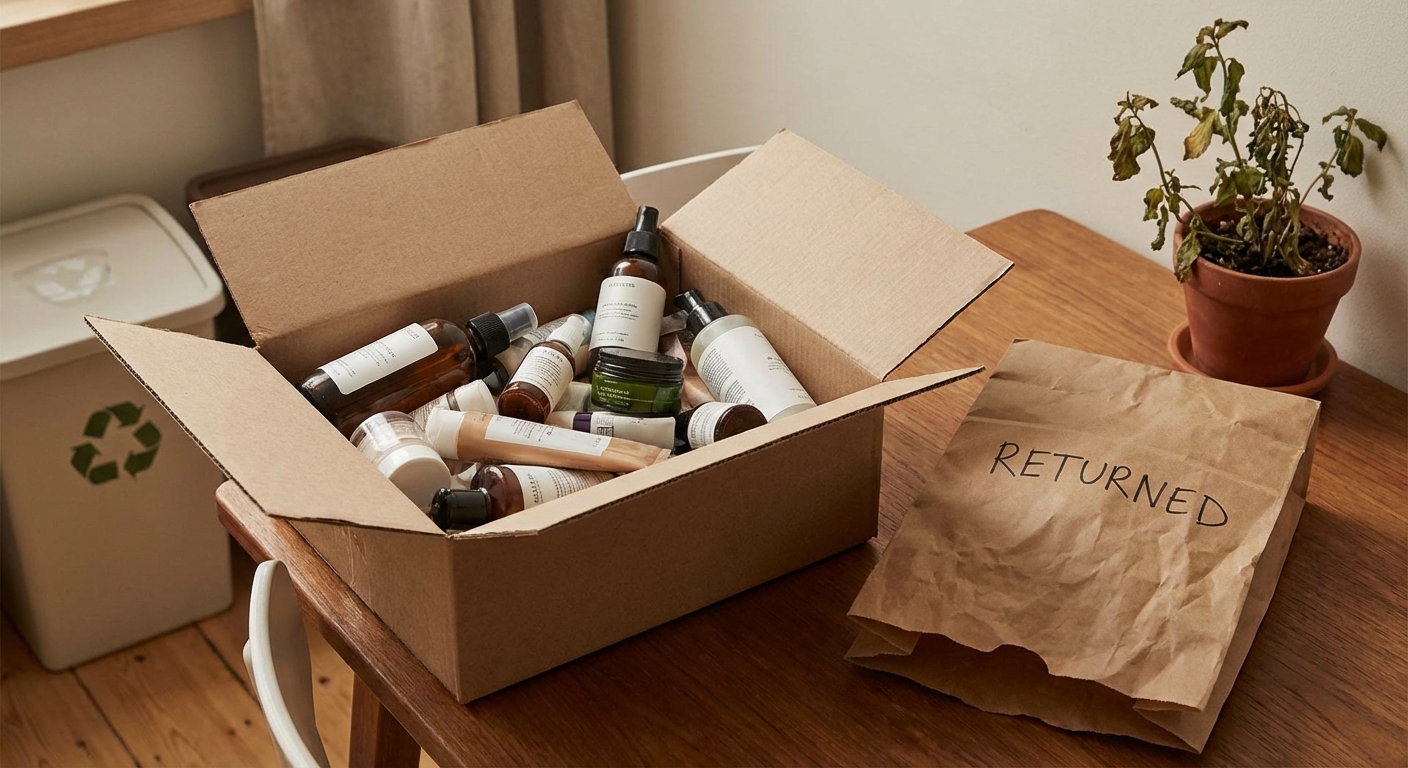
Beauty product returns create a triple environmental hit. Manufacturing waste. Transportation emissions. Disposal impact.
Think about that returned serum. The brand already used water, energy, and raw materials to create it. The packaging required petroleum-based plastics. Shipping it to you burned fossil fuels. Shipping it back doubled those emissions.
Now it sits in a landfill. The glass bottle takes 1 million years to decompose. The plastic pump? 450 years. The product inside leaches chemicals into groundwater.
The numbers are staggering. Beauty returns in the U.S. generate approximately 5.8 billion pounds of waste per year. That’s equivalent to 2.6 million cars worth of CO2 emissions.
The packaging problem nobody talks about
Beauty packaging is notoriously difficult to recycle. Most products combine multiple materials. Glass bottles with plastic pumps. Cardboard boxes with plastic windows. Metal compacts with glass mirrors.
Recycling facilities can’t easily separate these components. The whole thing goes to trash. Even products marketed as “recyclable” often aren’t accepted by municipal programs.
Consider this breakdown:
| Product Type | Average Lifespan in Landfill | Recyclable Components | Actual Recycling Rate |
|---|---|---|---|
| Foundation bottle | 450+ years | Glass only | 12% |
| Lipstick tube | 1,000 years | None | 0% |
| Mascara wand | 500 years | None | 0% |
| Serum pump | 400 years | Glass only | 8% |
| Compact mirror | 1 million years | Metal only | 15% |
| Sheet mask pouch | 300 years | None | 0% |
Why you keep returning beauty products
Returns happen for predictable reasons. Understanding them helps you avoid the return cycle entirely.
Color matching is the biggest culprit. That foundation shade looked perfect on your screen. Your monitor’s color calibration told a different story than reality. Lighting in your bathroom reveals the truth.
Texture expectations fall short. Product descriptions promise “lightweight” or “silky.” You receive something thick and heavy. Words mean different things to different people.
Ingredient reactions surprise you. You didn’t check the full ingredient list. Your skin reacts. The product goes back.
Impulse purchases lose their appeal. That trending product everyone raved about doesn’t fit your actual routine. You used it once. It sits untouched for weeks. Return window closing forces a decision.
The try-before-you-buy trap
Beauty sampling seemed like the perfect solution. Order five shades. Keep one. Return four. Brands encouraged this behavior. The environmental cost was invisible.
Each returned item still required:
– Individual packaging materials
– Warehouse processing
– Transportation both ways
– Disposal logistics
– Customer service resources
That “try at home” convenience costs the planet dearly. One person’s shade-matching session creates waste equivalent to driving 12 miles.
How to stop contributing to beauty return waste
Making smarter purchases from the start eliminates the return problem entirely. Here are practical strategies that actually work.
Research before you buy. Spend 15 minutes reading reviews from people with your skin tone and type. Look for unsponsored reviews on multiple platforms. Check Reddit beauty communities for honest feedback.
Use virtual try-on tools. Many brands now offer AR technology. Point your phone camera at your face. See how products look in real-time. The technology isn’t perfect, but it’s improving rapidly.
Request samples first. Email brands directly. Many send free samples if you ask nicely. A tiny sample prevents a full-size return. Some brands like Sephora offer sample programs specifically for this reason.
Buy from retailers with testers. Visit physical stores when possible. Test products on your actual skin. See them in natural lighting. Apply foundation in-store to check the match.
Start with travel sizes. Many products come in smaller versions. The price per ounce is higher, but you waste less if it doesn’t work. You can also incorporate them into a travel-friendly routine.
Check return policies before buying. Some eco-conscious brands don’t accept returns on opened products. Others have restocking fees. Know the terms. It forces more careful purchasing.
Join loyalty programs with better perks. Beauty Insider and similar programs offer points you can redeem for deluxe samples. Test products before committing to full sizes.
The brands trying to fix the returns problem
Some companies are pioneering solutions. Their approaches range from innovative to controversial.
Refillable systems. Brands like Kjaer Weis and RMS Beauty designed compacts you keep forever. You buy refill pans that pop into the existing case. Returns drop because you’re only replacing the product, not the packaging. Refillable lipsticks are becoming more mainstream.
Deposit programs. You pay extra upfront. Return the empty container. Get your deposit back. Loop and TerraCycle partner with brands on this model. It incentivizes proper disposal.
No-return policies on opened items. Some sustainable brands simply don’t accept returns once you break the seal. This seems harsh but forces careful purchasing. It also eliminates return waste entirely.
In-store credit only. Rather than refunds, some retailers offer store credit for returns. This keeps the transaction within their ecosystem. They can better control disposal.
Donation partnerships. A few brands donate returned, unopened products to shelters and nonprofits. This requires careful logistics but prevents landfill waste.
Building a routine that minimizes waste from the start
The best return is the one that never happens. Building a solid skincare routine starts with understanding what you actually need.
Most people own far more beauty products than they use. The average person has 40 beauty products but uses only 5 regularly. That’s 35 potential returns waiting to happen.
-
Audit your current collection. Pull everything out. Check expiration dates. Note what you actually use. Identify your real needs versus impulse buys.
-
Create a capsule beauty wardrobe. Choose versatile products that serve multiple purposes. A tinted moisturizer instead of separate foundation and sunscreen. A lip and cheek stain instead of separate products.
-
Embrace the one-in-one-out rule. Before buying new mascara, finish your current one. This prevents accumulation and forces you to really consider each purchase.
-
Track your empties. Keep a note on your phone. Record what you finish and would repurchase. This data guides future purchases. You’ll spot patterns in what actually works for you.
-
Resist trend-chasing. That viral TikTok product might not suit your needs. Seasonal trends come and go. Your skin type doesn’t change with the algorithm.
The hidden costs retailers don’t mention
Returns hurt more than just the environment. They drive up prices for everyone. Retailers factor return rates into pricing. Higher returns mean higher base prices.
Beauty products have some of the highest return rates in retail. Foundation returns hit 30-40% for online purchases. Lipstick returns reach 25%. These numbers force brands to charge more upfront.
You’re essentially paying for other people’s returns. Every product price includes a “return tax” to cover processing, shipping, and disposal costs.
The customer service burden is massive too. Each return requires:
– Email correspondence
– Return label generation
– Warehouse processing
– Refund processing
– Inventory adjustments
– Disposal coordination
That’s why some brands now charge restocking fees. They’re trying to offset these hidden costs.
What actually gets resold
A tiny fraction of beauty returns do make it back to shelves. Here’s what qualifies.
Unopened products with perfect packaging sometimes get resold as “open box” items. These typically sell at discount stores like TJ Maxx or Marshalls. The savings come with risk. You can’t verify the product’s journey or storage conditions.
Products returned due to shipping damage occasionally get repackaged. If the product itself is untouched and the brand can verify this, they might replace the exterior box and resell.
Display items from stores sometimes enter discount channels. These were never sold but were opened for customer testing. Brands mark them as “testers” and sell them at steep discounts.
Expired products near their sell-by date get liquidated. These aren’t technically returns but follow similar channels. Quality degrades over time, especially for products with active ingredients.
The reality? Less than 5% of beauty returns ever get resold through any channel. The remaining 95% becomes waste.
Making peace with imperfect purchases
Sometimes you’ll buy something that doesn’t work perfectly. That’s okay. Not every product deserves a return.
That lipstick shade is slightly off but wearable? Keep it. Mix it with another shade. Use it as blush. Layer it strategically under a gloss.
The moisturizer is too heavy for your face? Use it on your body. Apply it to dry elbows and knees. Save it for winter when your skin needs extra moisture.
The eyeshadow color doesn’t suit you? Gift it to a friend. Donate it to a local shelter. Many organizations accept gently used beauty products.
The mascara irritates your eyes slightly? Don’t risk your health. This is a valid return. Some situations justify the environmental cost.
Learning to repurpose products reduces waste more than perfect purchasing ever could. Get creative. That failed purchase might excel in a different application.
Your next beauty purchase
Think twice before clicking “buy now” on that trending serum. Consider whether you truly need it or just want it. Check if you already own something similar.
Read reviews from people with your specific concerns. Look for detailed feedback about texture, scent, and performance. Avoid reviews that seem sponsored or overly positive.
If possible, get a sample first. Wait a week. See if you still want the full size. Often, the initial excitement fades. You’ll save money and prevent waste.
When you do buy, commit to using it. Give products a fair trial. Most skincare needs 4-6 weeks to show results. Don’t return after one use unless you have a genuine reaction.
Your purchasing decisions ripple outward. Each thoughtful choice reduces waste, lowers emissions, and signals to brands that consumers care about sustainability. The power to change this system sits in your shopping cart.