The beauty industry produces over 120 billion units of packaging annually, and most of it ends up in landfills. But a growing movement is challenging this wasteful norm with plastic free makeup packaging that performs just as well as traditional options.
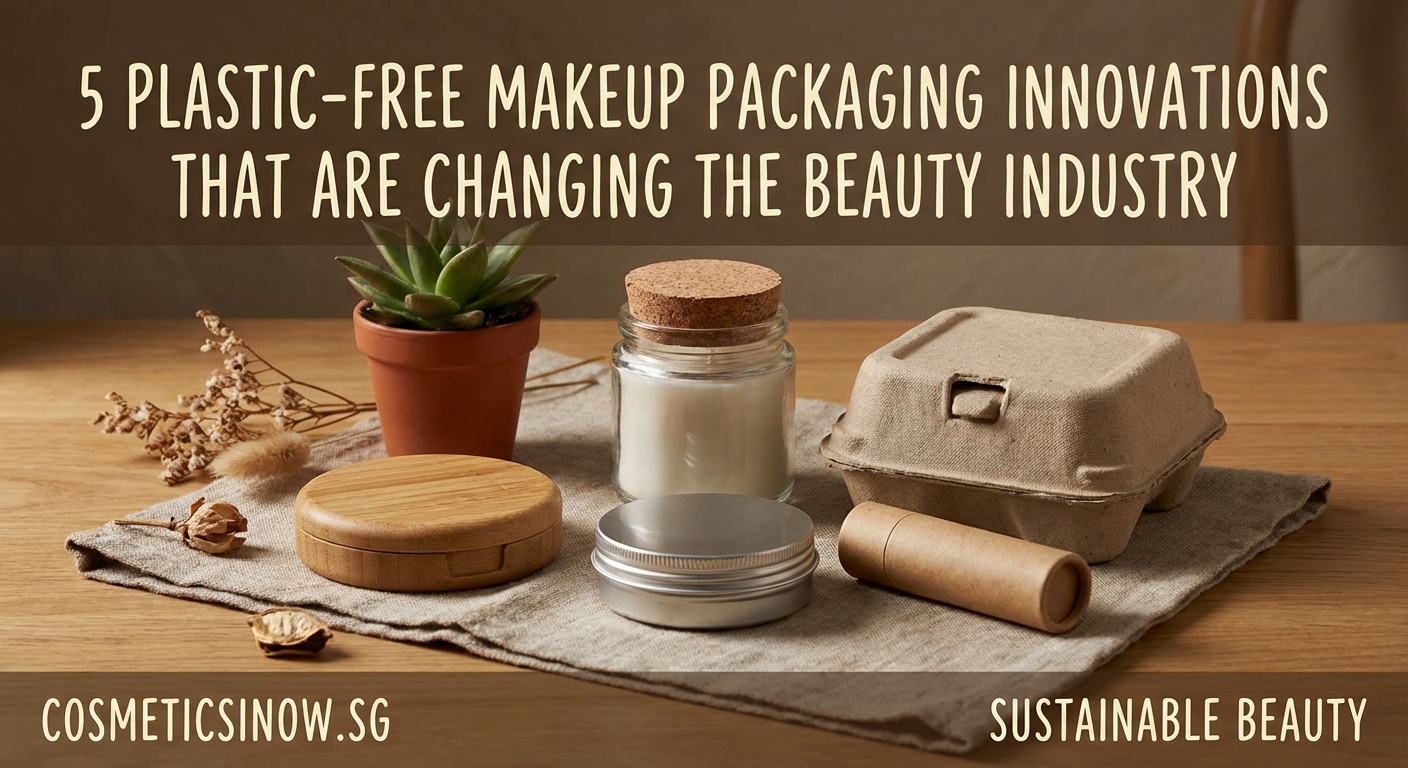
Plastic free makeup packaging uses materials like bamboo, glass, aluminum, and compostable compounds to eliminate single-use plastics. These alternatives maintain product quality while significantly reducing environmental impact. Brands now offer refillable compacts, biodegradable tubes, and zero-waste solid formulas that match conventional makeup performance. Making the switch requires understanding material lifecycles, proper disposal methods, and identifying genuine eco-friendly options versus greenwashing marketing tactics.
Understanding the plastic problem in beauty
Traditional makeup packaging relies heavily on mixed materials that recycling facilities cannot process. A single lipstick tube might contain seven different types of plastic, metal springs, and adhesive components.
Separating these materials costs more than creating new plastic. Most municipal recycling programs reject beauty packaging entirely.
The result? An estimated 70% of beauty packaging goes straight to landfills or oceans.
Microplastics from broken containers contaminate water supplies and enter food chains. Chemical additives in plastic packaging can leach into products, especially in warm storage conditions.
But the environmental cost extends beyond disposal. Producing virgin plastic for beauty packaging generates significant carbon emissions and depletes petroleum resources.
What makes packaging truly plastic free
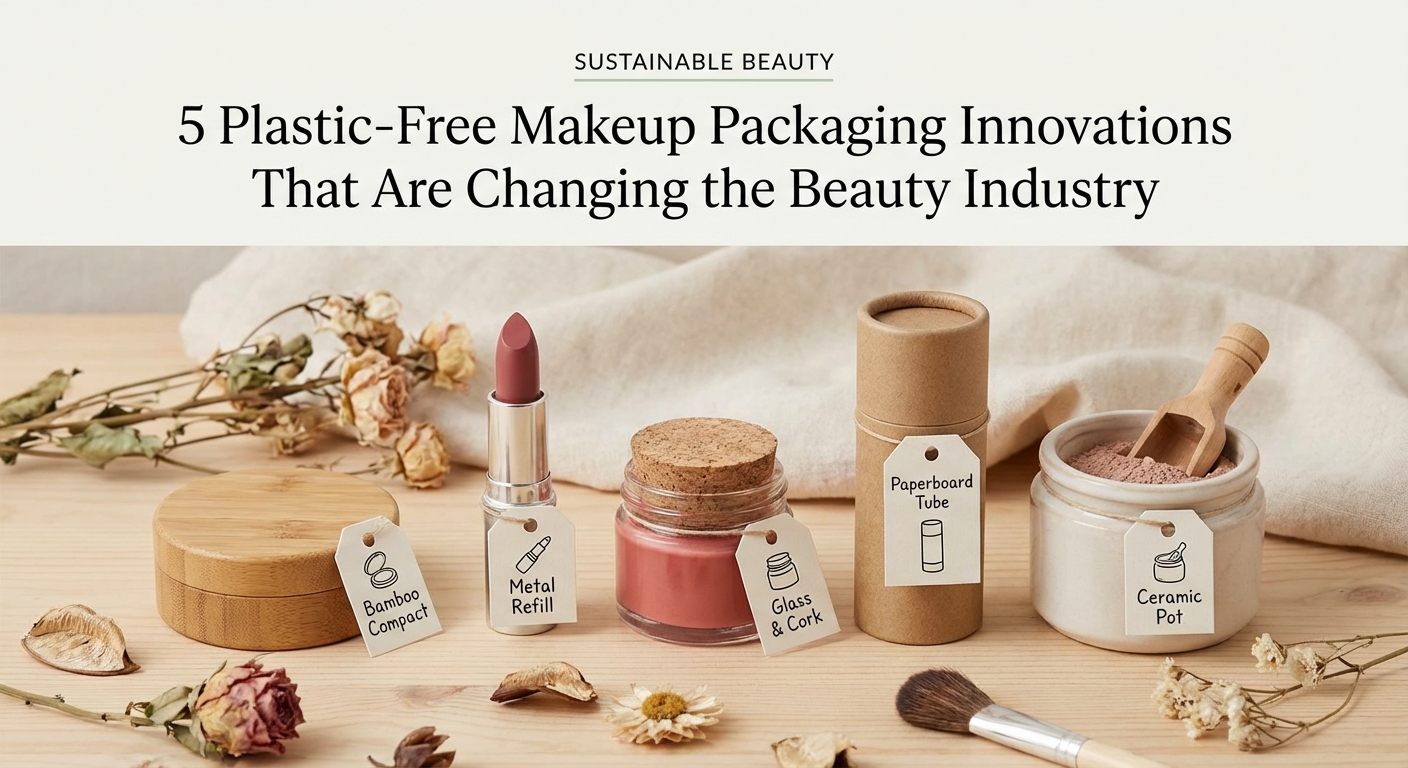
Genuine plastic free makeup packaging contains zero petroleum-based polymers. This means no polypropylene caps, no polyethylene tubes, and no acrylic containers.
Natural materials like bamboo, wood, glass, and metal form the foundation of authentic alternatives. Some brands use bio-based plastics derived from corn or sugarcane, but these still require industrial composting facilities.
True plastic free options either biodegrade naturally or can be infinitely recycled without quality loss.
The certification landscape can confuse consumers. Terms like “eco-friendly” and “natural” lack regulatory definitions. Look for specific material listings and third-party certifications from organizations like the Forest Stewardship Council or Cradle to Cradle.
Packaging that claims to be plastic free should clearly state what materials replace conventional plastics. Vague marketing language often signals greenwashing tactics that mislead consumers.
Top materials replacing plastic in makeup packaging
Glass containers
Glass offers complete recyclability and maintains product integrity. It doesn’t leach chemicals and protects light-sensitive formulas better than plastic.
Foundation bottles, serum droppers, and powder jars made from glass can be recycled endlessly. The material melts down and reforms without losing quality.
Amber and cobalt glass provide UV protection for products with active ingredients. This natural barrier extends shelf life without chemical stabilizers.
The main drawback? Weight and fragility. Shipping glass increases transportation emissions and breakage risk.
Bamboo and wood
Fast-growing bamboo regenerates without replanting and requires no pesticides. It makes excellent material for compacts, brush handles, and palette cases.
Bamboo naturally resists bacteria and moisture. Proper harvesting and treatment create durable packaging that withstands daily use.
Wood from sustainably managed forests offers similar benefits. FSC-certified wood ensures responsible forestry practices.
Both materials biodegrade at end of life. You can compost them in backyard systems or municipal facilities.
Aluminum and tin
These metals provide lightweight, durable alternatives to plastic. Aluminum especially offers excellent recyclability, with 75% of all aluminum ever produced still in use today.
Refillable aluminum compacts and tin containers protect products from air and light. The material doesn’t corrode or degrade with repeated use.
Metal packaging works particularly well for solid products like pressed powders, cream blushes, and lip balms.
Some brands use post-consumer recycled aluminum, further reducing environmental impact.
Biodegradable compounds
Plant-based materials like paper pulp, mushroom mycelium, and seaweed create compostable packaging. These innovative materials break down completely within months under proper conditions.
Paper tubes lined with plant wax can hold cream and liquid products. The entire package composts in home systems.
Mycelium packaging grows from agricultural waste and fungal roots. It molds into custom shapes and biodegrades rapidly.
Seaweed-based films replace plastic windows in boxes and create flexible pouches. They dissolve in water and leave no toxic residue.
How to transition your makeup collection
Making the switch to plastic free makeup packaging doesn’t require tossing everything at once. A gradual approach reduces waste and spreads costs.
-
Start by identifying which products you use most frequently. Replace these first as they run out naturally.
-
Research plastic free alternatives for each product category. Read reviews focusing on performance, not just environmental claims.
-
Purchase one or two items to test quality and compatibility with your routine. Some formulas work differently in alternative packaging.
-
Establish a system for cleaning and storing reusable containers. Proper maintenance extends packaging life and maintains hygiene.
-
Set up proper disposal methods for packaging that reaches end of life. Locate composting facilities, metal recycling centers, and take-back programs in your area.
-
Track your progress and adjust based on what works. Not every plastic free option will suit your needs, and that’s okay.
Building a zero-waste makeup routine takes time. Focus on sustainable progress rather than perfection.
Refillable systems that actually work
Refillable makeup represents one of the most effective plastic reduction strategies. These systems use durable outer cases with replaceable product inserts.
Premium brands now offer magnetic palettes where you purchase empty compacts once, then buy only pan refills. The outer case lasts for years while you swap out shades seasonally.
Lipstick refills click into permanent metal or bamboo cases. You keep the base and replace only the color cartridge, reducing packaging by up to 80%.
Some companies provide mail-back programs. You send empty containers back, they clean and refill them, then ship them back to you.
Powder foundation, eyeshadow, and blush work especially well in refillable formats. The pressed powder pans pop out easily for replacement.
Refillable lipsticks offer extensive shade ranges without compromising color payoff or texture.
Solid beauty products changing the game
Solid formulas eliminate the need for liquid-holding containers entirely. These concentrated products activate with water or apply directly to skin.
Solid cleansing balms come in metal tins or paper tubes. They melt on contact with skin and remove makeup effectively without plastic pump bottles.
Powder-to-cream foundations transform when mixed with moisturizer. The dry powder stores in minimal packaging and you control the coverage level.
Solid perfumes in biodegradable tubes replace glass bottles and alcohol-based sprays. They offer concentrated scent in pocket-sized formats.
Shampoo and conditioner bars have proven the solid format works. Beauty brands now apply this technology to makeup removers, toners, and serums.
The learning curve exists. Solid products require different application techniques than liquid counterparts. Most users adapt within a few uses.
Solid beauty bars replace multiple plastic bottles in your routine with single concentrated products.
Common mistakes to avoid
| Mistake | Why It Happens | Better Approach |
|---|---|---|
| Buying bio-plastic without composting access | Assumes it will biodegrade anywhere | Verify local industrial composting facilities accept the material before purchasing |
| Choosing glass for travel | Prioritizes material over practical use | Keep glass for home use, select aluminum or bamboo for travel |
| Not cleaning refillable containers | Assumes new product sanitizes the case | Wash and dry containers between refills to prevent bacterial growth |
| Mixing incompatible formulas | Tries to force products into wrong packaging | Match product consistency with appropriate container type |
| Ignoring ingredient changes | Focuses only on packaging sustainability | Check if plastic-free brands reformulated products during packaging switch |
| Expecting identical textures | Assumes packaging doesn’t affect formula | Understand some formulas adjust slightly for alternative packaging compatibility |
Reading labels and certifications correctly
Not all environmental claims mean what they appear to say. “Recyclable” packaging might only process in specialized facilities unavailable in most areas.
“Made with recycled content” could mean just 5% recycled material mixed with 95% virgin plastic. The percentage matters significantly.
“Biodegradable” lacks standardized testing requirements. Some products only break down under specific industrial conditions, not in natural environments.
Look for these specific certifications:
- Cradle to Cradle Certified evaluates entire product lifecycle
- Forest Stewardship Council confirms sustainable wood sourcing
- B Corporation certification indicates overall company sustainability practices
- USDA Certified Biobased Product verifies renewable material content
- OK Compost certification guarantees industrial compostability
Brands committed to genuine sustainability provide detailed information about material sourcing, manufacturing processes, and end-of-life disposal.
They explain exactly how their packaging breaks down or recycles. Vague statements signal potential greenwashing.
Price comparison and value assessment
Plastic free makeup packaging typically costs more upfront. The materials and manufacturing processes require greater investment.
A conventional plastic lipstick might retail for $8, while a refillable metal case with first color insert costs $25. But replacement inserts run $12, making subsequent purchases cheaper.
Over time, refillable systems often prove more economical. You pay premium prices once for durable cases, then save on refills.
Solid products offer concentrated formulas that last longer than liquid equivalents. A solid cleansing balm might cost $18 but replace three bottles of liquid cleanser.
Consider cost per use rather than initial price. A $30 bamboo compact you refill ten times costs less per application than disposable plastic versions.
Some luxury sustainable brands prove eco-friendly can be glamorous without astronomical price tags.
Budget-conscious consumers can transition gradually, replacing one product at a time as conventional options run out. This spreads costs across months while building a sustainable collection.
Proper disposal and recycling methods
Even plastic free packaging requires correct disposal to deliver environmental benefits. Tossing compostable tubes in regular trash sends them to landfills where they cannot break down properly.
Metal packaging
Rinse out any remaining product residue. Remove non-metal components like mirrors or magnets if possible.
Place clean metal containers in curbside recycling bins. Most municipal programs accept aluminum and tin without restrictions.
Scrap metal facilities pay small amounts for bulk aluminum. Save multiple containers and cash them in together.
Glass containers
Remove pumps, droppers, and caps made from different materials. Wash containers thoroughly.
Check if your local recycling accepts cosmetic glass. Some programs only take food and beverage containers.
Specialty recycling programs like TerraCycle accept beauty packaging that municipal systems reject.
Compostable packaging
Verify the specific composting requirements. Home compostable items break down in backyard bins. Industrial compostable products need facility processing.
Remove any stickers or labels before composting. These often contain plastic coatings that don’t break down.
Shred paper-based packaging into smaller pieces to speed decomposition.
Wood and bamboo
These materials compost in home systems. Break larger pieces into smaller chunks.
Alternatively, wood and bamboo make excellent fire starters for fireplaces or camping. The natural oils help ignition.
Some crafters repurpose cosmetic bamboo cases into organizers or decorative objects.
Recycling empty beauty products the right way prevents contamination and maximizes material recovery.
Brands leading the plastic free movement
Several companies have committed to completely plastic free packaging across their entire product lines.
Axiology creates lipsticks and crayons in paper tubes. The entire package, including the cap, composts in home systems. Their formulas use organic ingredients and natural pigments.
Elate Cosmetics offers bamboo compacts with magnetic closures. You build custom palettes from their range of pressed powders, creams, and solid products. Everything arrives in compostable packaging.
Zao Organic Makeup pioneered refillable bamboo cases. Their extensive color range includes foundations, concealers, eyeshadows, and lip products. The bamboo grows without pesticides and the formulas carry organic certification.
RMS Beauty uses glass jars for their signature cream products. The simple packaging protects product integrity while remaining fully recyclable.
Kjaer Weis combines luxury with sustainability through metal compacts and refill systems. Their products perform at prestige levels while dramatically reducing waste.
These brands prove plastic free packaging doesn’t require compromising on quality, color selection, or performance.
Making sustainable choices stick
“The most sustainable makeup is the makeup you already own. Use what you have completely before replacing it, even if the packaging isn’t perfect. Then make better choices with your next purchase.” – Environmental beauty consultant
Transitioning to plastic free makeup packaging works best as a gradual process. Rushing to replace everything creates waste and financial stress.
Start with products you use daily. Foundation, concealer, and powder make logical first replacements since you’ll see immediate impact.
Research thoroughly before purchasing. Read reviews from users with similar skin types and concerns. Beautiful packaging means nothing if the product doesn’t work for you.
Connect with online communities focused on sustainable beauty. Members share honest reviews, brand recommendations, and disposal tips based on real experience.
Support brands making genuine efforts rather than seeking perfection. Companies investing in better packaging deserve recognition, even if they haven’t achieved 100% plastic-free status yet.
Remember that transitioning to sustainable beauty in 30 days provides a realistic timeline and manageable steps.
Your plastic free beauty routine starts now
Switching to plastic free makeup packaging represents one of the most impactful changes you can make as a beauty consumer. Every product you choose sends a message to brands about what matters to you.
The options available today offer genuine alternatives that perform beautifully while respecting the planet. You don’t have to sacrifice quality, color range, or convenience to make sustainable choices.
Start small, research thoroughly, and build your collection thoughtfully. Your bathroom counter can become a showcase for products that enhance your beauty and protect the environment simultaneously.