Choosing lipstick after 60 feels different than it did in your twenties or forties. Your lips have changed. They’re thinner, drier, and more prone to vertical lines that can catch color and make it bleed. The bright fuchsia that looked amazing at 35 might now draw attention to every fine line. The matte formula you loved five years ago probably leaves your lips feeling parched within an hour.
But here’s the good news: the right lipstick can make your lips look fuller, smoother, and more youthful without any tricks or filters.
The best lipstick for women over 60 features hydrating formulas with creamy or satin finishes that smooth lip texture, prevent feathering, and deliver flattering color. Avoid ultra-matte formulas and overly bright shades. Look for products with moisturizing ingredients like hyaluronic acid, peptides, and natural oils. Prep lips properly and use a lip liner to extend wear and prevent bleeding.
Why Your Lipstick Needs Change After 60
Your lips lose volume and moisture as you age. Collagen production slows down. The vermillion border (that’s the edge of your lips) becomes less defined. Vertical lip lines deepen, creating tiny channels where lipstick can settle and feather.
Hormonal changes during and after menopause reduce natural oil production. Your lips become drier and more sensitive. Products that felt comfortable at 40 might now emphasize texture or cause irritation.
The color of your lips also shifts. They often become paler, sometimes taking on a slightly bluish tone. This changes how lipstick shades appear on you. Colors that once complemented your complexion might now look too harsh or washed out.
Your skin tone evolves too. Many women notice their complexion becomes cooler or more neutral. Hair grays or whitens, creating a different frame for your face. All of these changes mean your old favorite shades might need updating.
Formula Features That Matter Most
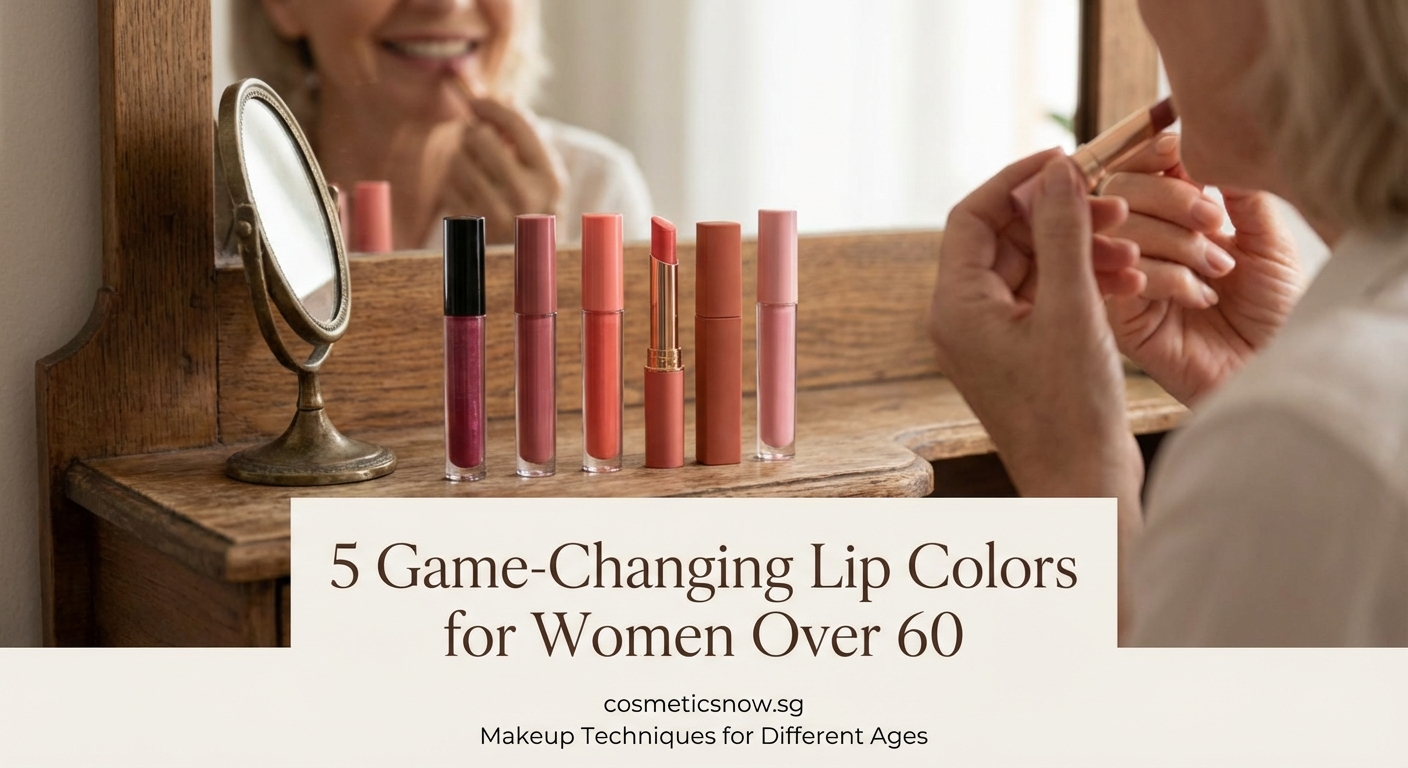
The texture of your lipstick makes a bigger difference now than the exact shade. A hydrating formula in an average color will always look better than a drying formula in the perfect shade.
Creamy and satin finishes work best for mature lips. They glide on smoothly without tugging. They contain enough moisture to keep lips comfortable for hours. They have just enough shine to reflect light and make lips appear fuller.
Matte lipsticks pose problems. They cling to dry patches. They emphasize texture. They make lips look thinner and older. If you love matte looks, save them for special occasions and prep your lips extensively beforehand.
Look for these ingredients on the label:
- Hyaluronic acid for moisture retention
- Peptides to support lip fullness
- Vitamin E for antioxidant protection
- Natural oils like jojoba, argan, or rosehip
- Shea butter or cocoa butter for nourishment
- SPF for sun protection
Avoid formulas with high amounts of alcohol or strong fragrances. These dry out already delicate lips and can cause irritation.
Shades That Flatter Mature Skin
Forget the rules you learned decades ago. The best shade for you now depends on your current skin tone, hair color, and personal style.
Rosy nudes work beautifully on most women over 60. They add color without looking too bold. They brighten your face without competing with your other features. Choose shades with a slight pink or mauve undertone rather than beige or brown, which can look dull.
Soft berries and muted roses provide more color while still feeling sophisticated. They complement gray or white hair particularly well. They give you presence in photos without looking overdone.
Warm corals and peachy tones suit women with warmer complexions. They add a youthful glow. They work well for daytime wear and casual settings.
Classic reds remain timeless, but choose them carefully. Skip bright orange-reds or blue-reds. Instead, look for true reds or slightly muted brick reds. These shades feel elegant and confident without screaming for attention.
Here’s a comparison of what works and what doesn’t:
| Shade Type | Works Well | Skip These |
|---|---|---|
| Nudes | Rosy nudes, mauve-toned beiges | Pale beiges, brown nudes, frosty neutrals |
| Pinks | Dusty roses, soft mauves, berry tones | Bright fuchsias, neon pinks, frosted pinks |
| Reds | True reds, brick reds, muted burgundies | Orange-reds, blue-reds, glossy cherry reds |
| Corals | Muted corals, peachy tones | Bright tangerine, neon coral |
How to Prep Your Lips Properly
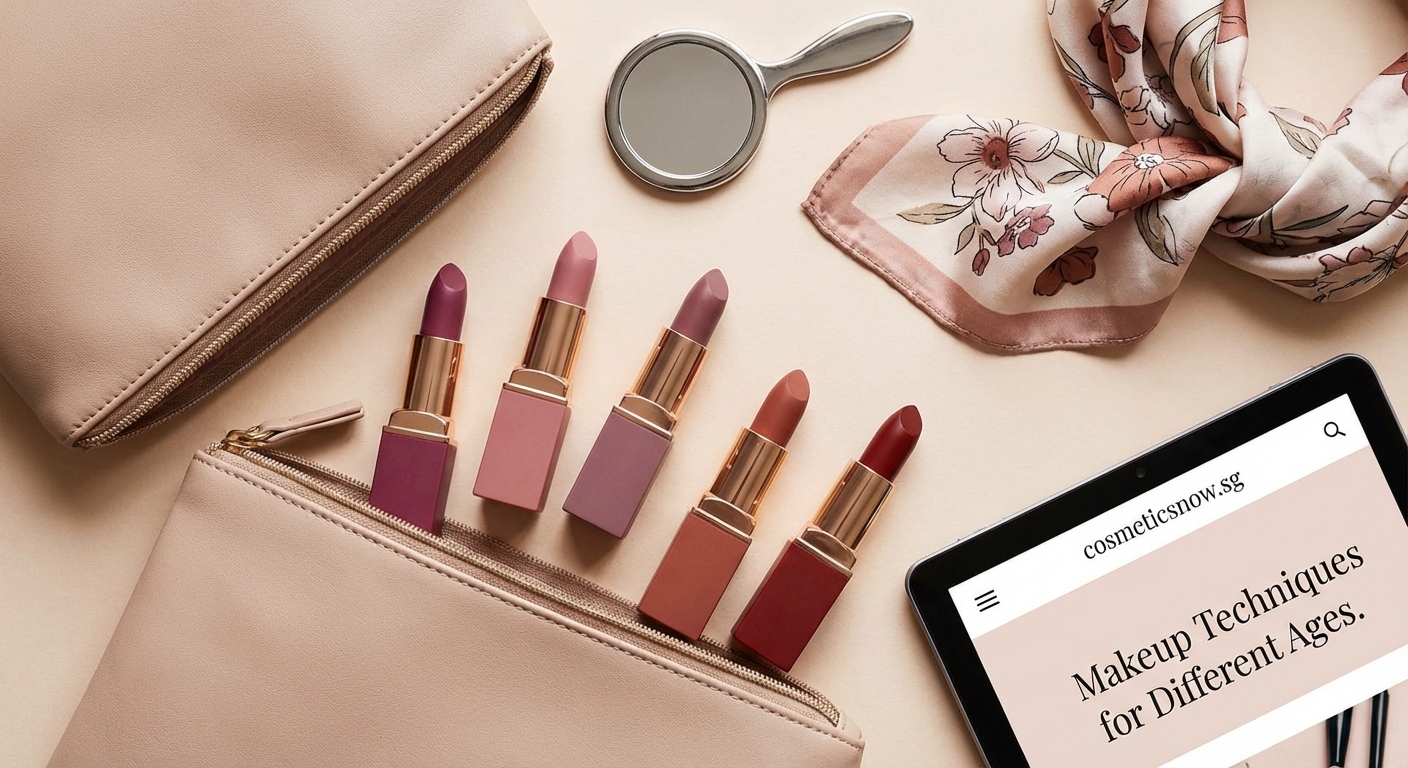
Great lipstick application starts before you open the tube. Dry, flaky lips will make even the best formula look terrible.
-
Exfoliate gently once or twice a week using a soft toothbrush or a lip scrub. Don’t overdo this. Too much exfoliation irritates sensitive mature skin.
-
Apply a hydrating lip treatment at night before bed. Look for products with ceramides, peptides, or retinol designed for lips.
-
Use a lip balm with SPF during the day, even when you’re not wearing lipstick. Sun damage accelerates aging and can cause dark spots on lips.
-
Drink plenty of water throughout the day. Hydration shows up on your lips faster than anywhere else.
-
Consider using a lip primer before applying lipstick. These products smooth texture and help color last longer.
If you want your makeup to look polished overall, proper foundation application creates the perfect base for any lip color.
Preventing Feathering and Bleeding
Lipstick bleeding into fine lines around your mouth is one of the most frustrating problems after 60. But you can prevent it with the right techniques.
Always use a lip liner. This isn’t optional anymore. Choose a liner that matches your natural lip color rather than your lipstick shade. This gives you more flexibility to wear different lipstick colors with the same liner.
Line just outside your natural lip line to restore definition. Don’t overdraw dramatically. A subtle enhancement looks natural. An obvious overdraw looks like you missed your lips.
Fill in your entire lip with the liner before applying lipstick. This creates a base that prevents color from migrating. It also extends the wear time of your lipstick significantly.
Set your lipstick with a light dusting of translucent powder. Use a small brush to apply powder just around the outer edge of your lips where feathering typically occurs. This creates a barrier that locks color in place.
“The single best investment for mature lips is a good lip liner in a neutral shade. It solves 80% of feathering problems and makes every lipstick look more expensive and polished.” – Professional Makeup Artist
Reapply throughout the day as needed. Lipstick on mature lips typically needs touching up after eating or drinking. Keep your liner and lipstick together so you can refresh both.
Application Techniques for Fuller-Looking Lips
The way you apply lipstick affects how full and youthful your lips appear. Small adjustments to your technique make a noticeable difference.
Start with a lip brush rather than applying directly from the bullet. A brush gives you more control and precision. It helps you place color exactly where you want it.
Apply a slightly lighter or more luminous shade to the center of your bottom lip. This catches light and creates the illusion of fullness. Don’t use obvious highlighting products. Just choose a lipstick one shade lighter than your main color.
Skip lipliner on your cupid’s bow if it’s become less defined. Instead, use your lipstick or brush to gently reshape and emphasize it. A subtle peak makes lips look younger and more defined.
Blot once after the first application, then apply a second thin layer. This builds color gradually and helps it last longer. It also prevents the heavy, caked-on look that thick application creates.
Add a tiny dot of clear gloss or balm to the center of your bottom lip only. This creates dimension without making your entire lip look wet or sticky.
If you’re updating your entire makeup approach, consider how your routine should evolve as you age.
Long-Wearing Formulas That Stay Comfortable
You want lipstick that lasts through coffee, lunch, and conversation without constant reapplication. But you also need it to feel comfortable for hours.
Traditional long-wear liquid lipsticks are too drying for most mature lips. They create a tight, uncomfortable feeling. They crack and peel. They emphasize every line and dry patch.
Look for “comfortable long-wear” formulas instead. These newer products use different technology that provides staying power without extreme dryness. They typically have a satin or semi-matte finish rather than a completely flat matte.
Lipstick stains offer another option. They tint your lips with color that lasts all day while allowing you to layer balm or gloss over them for moisture. The color won’t budge, but your lips won’t feel dry either.
Some cream lipsticks have surprisingly good staying power when applied correctly. The trick is the blot-and-layer technique mentioned earlier. You build up thin layers that adhere to your lips rather than sitting on top.
To make any lipstick last longer, try these tricks:
- Apply lip balm 10 minutes before lipstick, then blot off excess
- Use a lip primer designed for mature skin
- Set with translucent powder using a small brush
- Reapply after meals rather than trying to make one application last all day
- Keep lips hydrated between applications with a clear balm
For comprehensive tips on keeping your look fresh, check out making your lipstick last throughout your day.
Specific Product Characteristics to Seek Out
When shopping for lipstick, certain features indicate a formula will work well for mature lips.
Bullet shape matters more than you’d think. A slanted or tapered tip gives you better control and precision. Round bullets work fine but require more skill to apply neatly.
Packaging should be easy to handle. Avoid tiny, fiddly tubes. Look for substantial packaging with clear color identification. Your eyes might not be as sharp as they once were, and fumbling with tiny caps gets frustrating.
The lipstick should glide smoothly from the first swipe. If you need to press hard or make multiple passes to get color payoff, the formula is too dry or waxy for mature lips.
Check the finish in natural light, not just store lighting. Bring a small mirror outside or near a window. Shimmery finishes that look subtle indoors might appear glittery and emphasizing in daylight.
Consider the scent. Strong fragrances can irritate sensitive lips. Unscented or lightly scented formulas are safer choices.
Price doesn’t always indicate quality, but very cheap lipsticks often use lower-quality ingredients that dry out lips. Mid-range and higher-end brands typically invest more in moisturizing bases and better pigments.
Common Mistakes to Avoid
Even with the right products, poor technique can ruin the effect. Here are mistakes many women make when choosing and wearing lipstick after 60.
Choosing shades based on what worked in the past rather than what flatters you now. Your coloring has changed. Your old favorites might not be your best options anymore.
Skipping lip liner to save time. This almost always leads to feathering and bleeding. The few seconds liner takes will save you from lipstick in your lip lines.
Applying lipstick to dry, unprepared lips. This makes any formula look terrible and emphasizes texture. Always prep first.
Using matte formulas because they’re trendy. Trends don’t matter if they make you look older. Stick with what actually flatters mature lips.
Overlining lips too dramatically. A subtle enhancement looks natural and youthful. Obvious overlining looks like a mistake.
Ignoring the rest of your makeup. Lipstick doesn’t exist in isolation. It needs to work with your foundation, blush, and eye makeup. Understanding the correct order helps everything look cohesive.
Storing lipstick in hot environments like your car. Heat breaks down formulas and can change their texture and performance.
Building Your Lipstick Wardrobe
You don’t need dozens of lipsticks. A carefully chosen collection of five to seven shades covers most situations.
Start with a nude that matches your natural lip color but slightly enhanced. This is your everyday, goes-with-everything shade. Wear it to the grocery store, casual lunches, and relaxed family gatherings.
Add a rosy pink or soft mauve for a bit more presence. This works for daytime events, volunteer work, or casual dinners where you want to look polished but not overdone.
Include a deeper rose or berry for cooler months and evening events. This shade should feel elegant and sophisticated without being dramatic.
Choose one classic red that makes you feel confident. Wear it when you want to make a statement or feel extra put-together. Special occasions, holiday parties, and date nights all call for your signature red.
Pick a coral or peachy shade if warm tones suit you. This becomes your summer shade, your vacation lipstick, your cheerful everyday option.
Consider a sheer tinted balm for minimal makeup days. Sometimes you just want a hint of color and lots of moisture without the commitment of full lipstick.
Finally, add one “fun” shade that might be outside your comfort zone but makes you happy. Maybe it’s a brighter pink, a deeper plum, or a unique coral. Keep it for days when you’re feeling adventurous.
Seasonal Adjustments for Your Lip Color
Your lipstick needs change with the seasons, just like your wardrobe. Temperature, humidity, and even indoor heating affect how formulas perform.
Winter requires extra hydration. Cold air and indoor heating dry out lips faster. Switch to creamier formulas. Layer lip balm under your lipstick. Carry a hydrating lip treatment in your purse for touch-ups throughout the day.
Choose deeper, richer shades in winter. Berries, plums, and brick reds complement the season and look beautiful with winter clothing colors.
Spring calls for lighter, fresher shades. Soft pinks, roses, and peachy nudes feel appropriate as the weather warms. You can switch to slightly less emollient formulas as humidity increases.
Summer heat can melt lipstick and cause it to slide around. Look for formulas with better staying power. Lighter shades show less when they fade. Keep lipstick out of direct sunlight and heat.
Coral and peachy shades shine in summer. They complement tanned skin and bright summer clothing. They photograph beautifully in natural light.
Fall brings you back to deeper, muted tones. Mauves, roses, and warm browns work well. The cooler, drier air means returning to more moisturizing formulas again.
Understanding seasonal makeup transitions helps you adjust your entire look, not just your lips.
When to Replace Your Lipstick
Lipstick doesn’t last forever. Old formulas can harbor bacteria, change texture, or lose their moisturizing properties.
Replace lipstick after 12 to 18 months of opening. The preservatives break down over time. The oils can go rancid. The texture changes as ingredients separate.
Toss any lipstick that smells off, even if it’s relatively new. A rancid or chemical smell indicates the formula has degraded. Wearing it can irritate your lips.
Discard lipstick if the texture becomes grainy, separated, or difficult to apply smoothly. These changes mean the formula is no longer stable.
After any lip infection or cold sore, throw away the lipstick you were using. Don’t risk reinfecting yourself.
Clean your lipstick bullets periodically by wiping them with a tissue dipped in rubbing alcohol. This removes surface bacteria and keeps them fresher longer.
Store lipsticks in a cool, dry place away from direct sunlight. A drawer or makeup bag works better than a bathroom counter where temperature and humidity fluctuate.
Your Lips Deserve Better
Finding the best lipstick for women over 60 isn’t about chasing youth or hiding age. It’s about choosing products that work with your lips as they are now, making them look healthy, defined, and beautiful.
The right formula hydrates while providing color. The right shade complements your current coloring. The right application technique enhances your natural lip shape without looking overdone.
Start with one excellent everyday shade in a creamy formula. Master the prep and application techniques. Then gradually build your collection based on what you actually wear, not what looks pretty in the tube. Your lips will look better, feel more comfortable, and give you confidence every time you catch your reflection.